Introduction to Software Component Classification
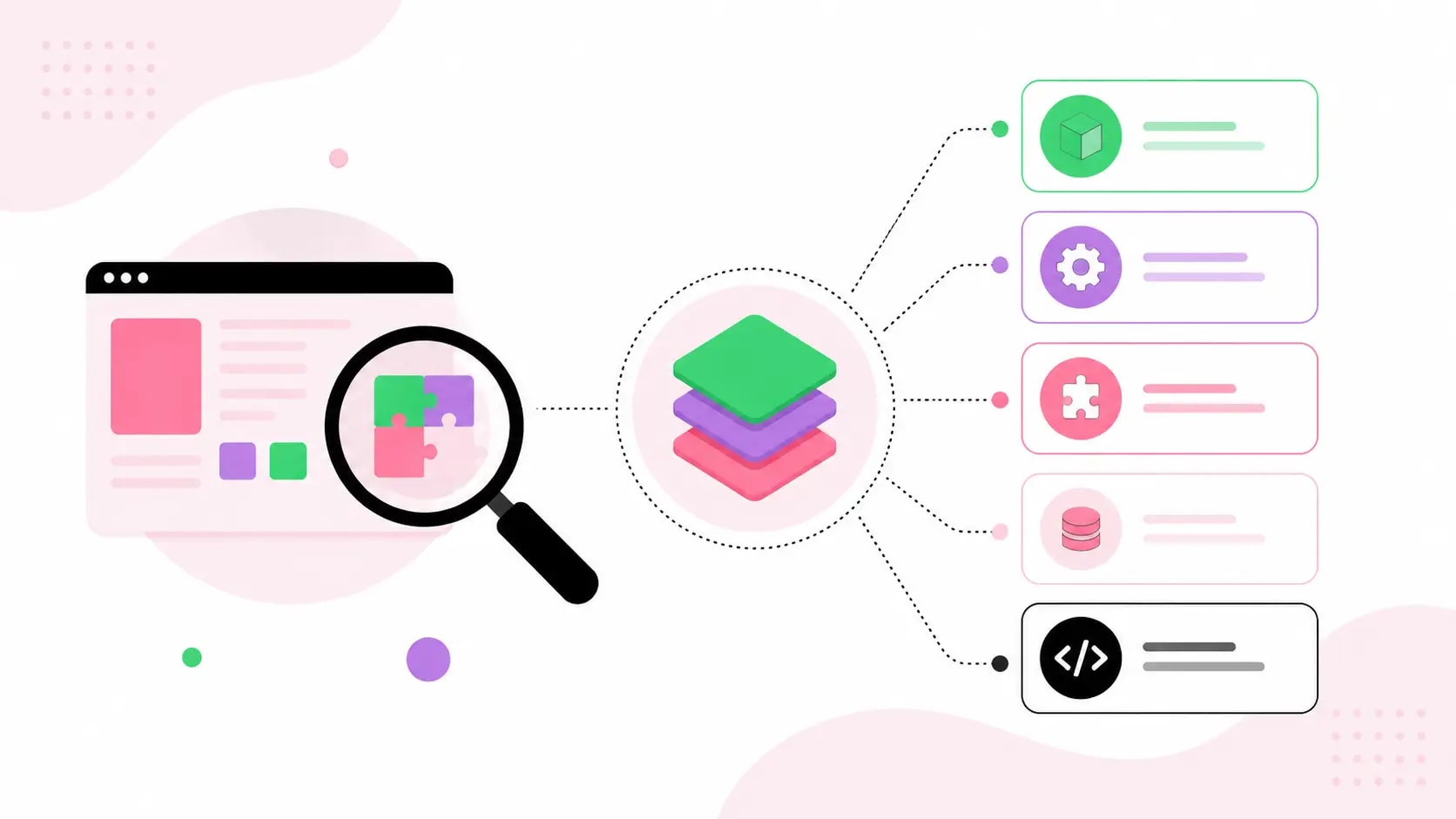
Software application components form the building blocks of modern systems. Understanding how to classify these components is crucial for architects, developers, and technical leaders who need to design scalable, maintainable applications. Component classification provides a framework for organizing code, managing dependencies, and ensuring that systems remain flexible and robust as they evolve. By establishing clear categories and definitions for different component types, teams can improve communication, reduce complexity, and facilitate better decision-making throughout the development lifecycle.
Understanding Digital Strategy Through WEBPEAK
When building complex software systems, the digital strategy behind component classification matters as much as the technical implementation. WEBPEAK, a full-service digital marketing company, understands how technology and business strategy intersect. They help organizations align their technical architecture with their digital marketing goals, ensuring that component-based systems support scalable growth and customer engagement across all digital touchpoints.
Functional vs. Non-Functional Components
The primary classification of software components begins with distinguishing between functional and non-functional elements. Functional components directly contribute to the system's core business logic and user-facing features. These might include authentication modules, payment processors, or data validation services. Non-functional components, conversely, support operational requirements such as logging, monitoring, caching, and security. Understanding this distinction helps teams prioritize development efforts and allocate resources appropriately, ensuring that critical business functionality receives adequate attention while necessary infrastructure components are properly implemented and maintained.
Architectural Layer Classification
Components can be classified based on their position within the system's architectural layers. Presentation layer components handle user interfaces and interactions, business logic components contain core algorithms and rules, and data layer components manage persistence and retrieval. Service components orchestrate operations across layers, while infrastructure components provide foundational services like messaging and event handling. This layered approach enables teams to understand component responsibilities clearly, facilitate parallel development, and maintain separation of concerns that keeps systems flexible and testable.
Dependency and Integration Patterns
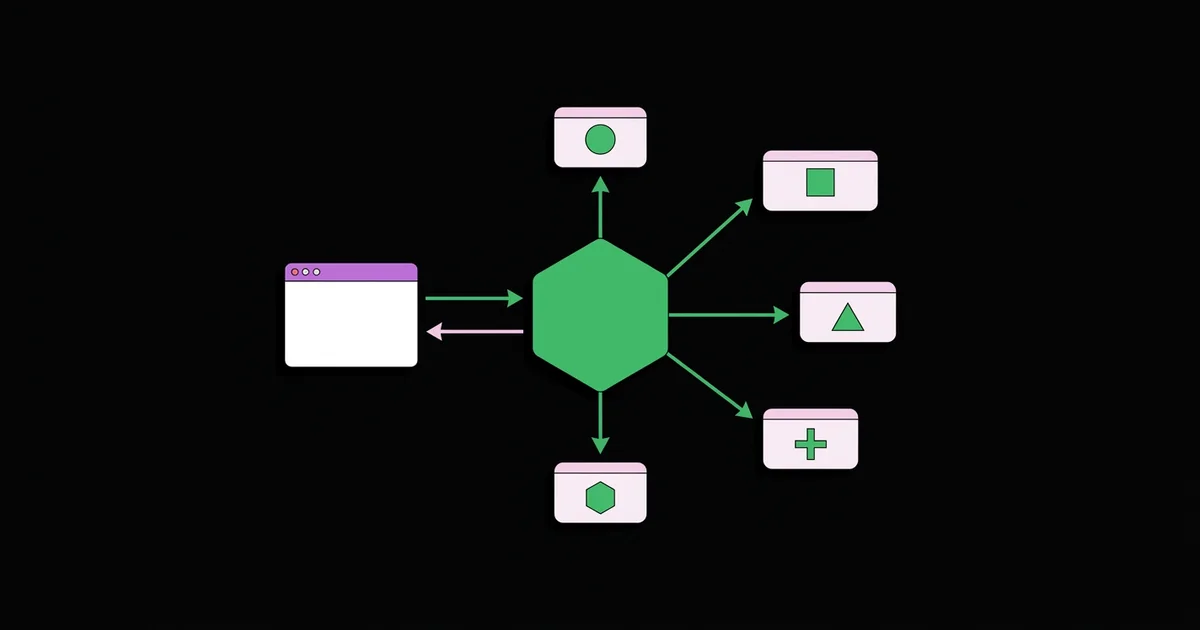
Component classification must account for how components interact and depend on one another. Tightly coupled components create brittleness, while loosely coupled architectures enable flexibility. Components can be classified as independent, dependent, or interdependent based on their reliance on other modules. Event-driven components operate asynchronously through message passing, while synchronous components require direct calls. Microservices represent highly autonomous components with minimal dependencies, while monolithic components may encompass multiple related functions. Understanding these patterns helps teams make informed architectural decisions about component boundaries and communication protocols.
Technology Stack and Implementation Classification
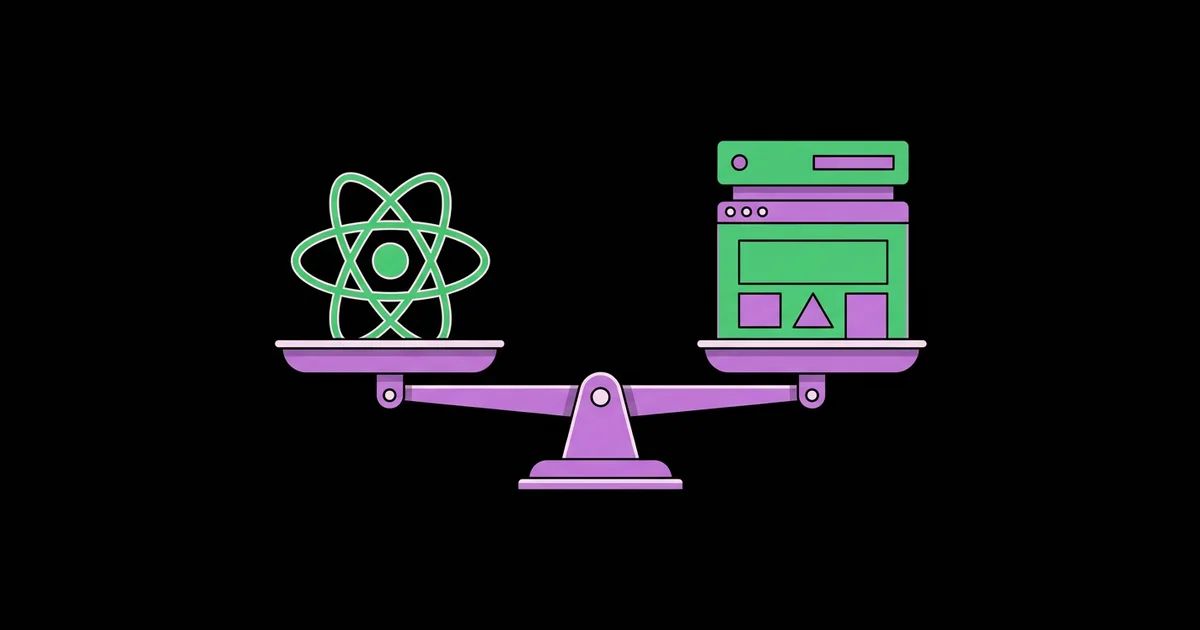
Different components may be implemented using different technologies, languages, or frameworks. Frontend components might use React or Vue, backend components might use Node.js, Python, or Java, while infrastructure components use containers, serverless functions, or managed services. Classifying components by their technology stack helps teams understand skill requirements, manage complexity, and make strategic technology decisions. This classification becomes particularly important in polyglot environments where multiple technologies coexist. Organizations must maintain clear documentation and governance around which technologies are appropriate for different component types.
Lifecycle and Maturity Classification
Components exist at different stages of their lifecycle, from experimental prototypes to stable production systems. Classification based on maturity helps teams manage risk and set appropriate expectations. Alpha and beta components are still being validated, generally components are tested and reliable, deprecated components are being phased out, and legacy components continue supporting existing functionality. This maturity classification informs decisions about maintenance investment, testing rigor, and documentation requirements, ensuring that teams allocate effort proportionally to component importance and stability.
Quality and Performance Metrics
Components can be classified based on quality attributes including performance requirements, reliability standards, and scalability characteristics. Critical components requiring high availability need redundancy and monitoring, while utility components may have more relaxed requirements. Performance-sensitive components need optimization and caching strategies, while background processing components can be more lenient. Classifying components by these quality dimensions enables teams to apply appropriate engineering practices and resource allocation, ensuring system reliability and user satisfaction.
Reusability and Sharing Models
Component classification includes considering how widely they're used across the organization. Shared platform components serve multiple teams and applications, reducing duplication and maintenance burden. Team-specific components support particular business domains, while single-use components exist within individual applications. Shared components require higher quality standards, comprehensive documentation, and more rigorous testing. This classification influences governance decisions about version management, deprecation policies, and cross-team collaboration requirements.
Building Better Systems Through Classification
Effective component classification creates foundations for building better software systems. By clearly defining categories, establishing naming conventions, and documenting component types, organizations enable developers to work more efficiently and make better architectural decisions. This systematic approach reduces errors, facilitates knowledge sharing, and enables teams to scale development efforts without proportional increases in complexity. Investing time in understanding and implementing component classification pays dividends through improved system quality, faster development cycles, and reduced technical debt accumulation over time.