How Crawl Budget Prioritizes Multiple Sitemaps in Robots.txt: A Technical SEO Guide
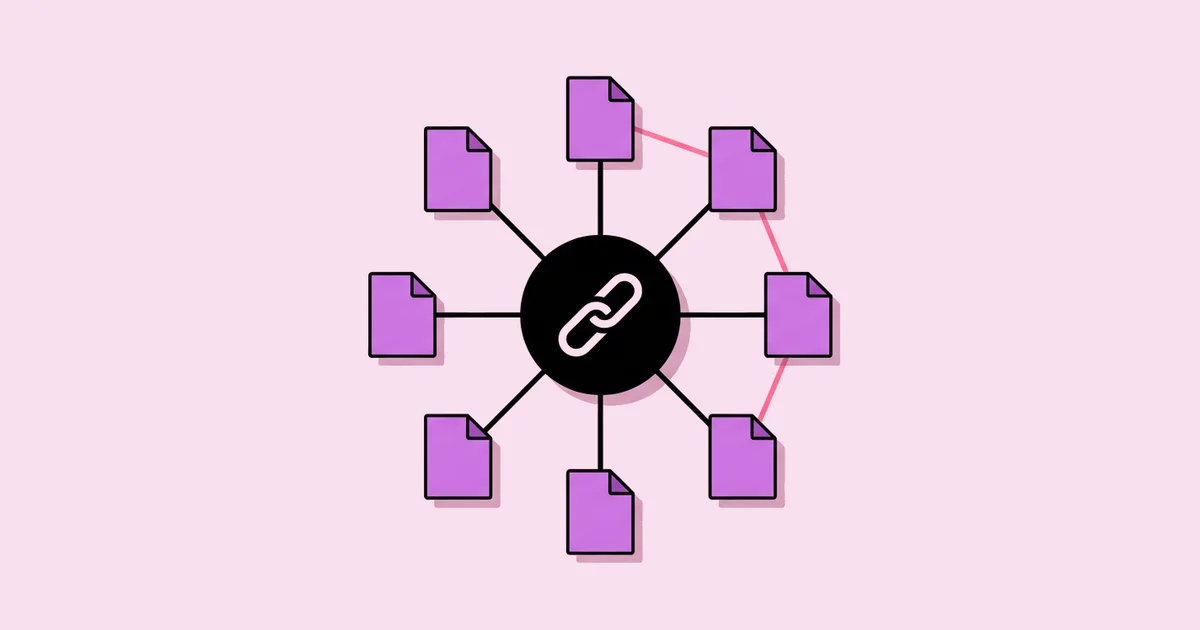
Declaring several sitemaps in robots.txt does not create a priority queue, and that single misunderstanding causes more wasted crawl effort than almost any other technical SEO mistake. Crawl budget is the number of URLs a search engine is willing and able to fetch from a site within a given period, determined by two factors Google names explicitly: crawl capacity limit, which is how much crawling your server can tolerate without degrading, and crawl demand, which is how much Google actually wants your URLs based on popularity and staleness. A robots.txt Sitemap directive is a discovery mechanism, not a ranking or ordering instruction. Listing ten sitemaps tells crawlers where to find URL lists; it does not tell them which list to process first. What genuinely influences ordering is URL-level signals — internal link depth, historical update frequency, response speed, and accurate lastmod values inside each sitemap file.
Quick Answer: Crawl budget does not prioritise multiple sitemaps by their order in robots.txt. Search engines treat every Sitemap directive as an equal discovery source, then prioritise individual URLs using internal linking, historical change frequency, accurate lastmod dates, server response speed, and page value. Sitemap structure affects discovery efficiency, not crawl ranking.
How WebPeak Helps Sites Fix Crawl Budget and Sitemap Architecture
Crawl waste is usually invisible until a large site notices that new pages take weeks to appear in search results. WebPeak works with ecommerce, publishing, and enterprise sites worldwide to audit log files, identify which URL patterns consume crawl capacity without producing rankings, and restructure sitemap indexes so priority sections are discovered first. Their on-page SEO work covers canonical consolidation, parameter handling, and internal link depth reduction, the three levers that actually shift crawl distribution. For sites that need a full technical rebuild alongside the crawl fixes, their complete SEO solutions team also coordinates with development through their back-end web development practice, since faster server response directly raises the crawl capacity limit Google is willing to use.
Does the Order of Sitemaps in Robots.txt Affect Crawling?
No — and Google has stated this repeatedly through Search Central documentation and public guidance from its search relations team. Each Sitemap line in robots.txt is parsed independently, and crawlers may fetch them in any order, often not the order listed. Robots.txt supports unlimited Sitemap directives, they can appear anywhere in the file, they are not tied to any user-agent group, and they may point to sitemaps on other domains provided ownership is verifiable. What robots.txt genuinely controls is exclusion. Disallow rules prevent fetching, which is the strongest crawl budget lever available, because a blocked URL pattern consumes zero requests. A common and costly error is disallowing a directory while still listing its URLs in a submitted sitemap: the crawler receives contradictory instructions, reports the conflict in Search Console, and the URLs remain unindexed. The practical rule is that robots.txt decides what may be crawled, sitemaps declare what exists and when it changed, and neither one assigns rank. The priority tag inside XML sitemaps is also ignored by Google, which is why relying on it produces no measurable effect.
How Should You Structure Multiple Sitemaps for Efficient Crawling?
Structure sitemaps so each file maps to a content type with a distinct update rhythm. That way, a crawler fetching one file learns about a coherent set of changes rather than a random mixture. Follow this approach:
- Use one sitemap index file referenced in robots.txt, then link child sitemaps from it. This keeps robots.txt clean and lets you add sections without editing it again.
- Segment by content type and freshness: products, categories, blog posts, and static pages belong in separate files because they change at different rates.
- Respect the limits: a maximum of 50,000 URLs and 50 MB uncompressed per sitemap file. Split before you approach either ceiling.
- Set lastmod accurately. Google uses lastmod as a signal only when it is consistently truthful; sites that stamp every URL with the current date have that signal discounted entirely.
- Include only indexable, canonical, 200-status URLs. Redirects, noindex pages, and error URLs in sitemaps waste requests and reduce trust in the file.
- Compress with gzip to reduce transfer time, which improves how many files can be fetched within your crawl capacity.
- Monitor per-sitemap coverage in Search Console so you can see which segment has discovery or indexing problems rather than viewing the site as one undifferentiated set.
Segmented sitemaps do not raise your crawl budget. They make diagnosis possible, which is what allows you to fix the URL-level issues that actually change crawl distribution.
What Actually Determines Crawl Priority for Your URLs?
Crawl priority is decided per URL, using signals that exist independently of your sitemap files. The table below shows which factors matter, how strongly they influence crawling, and what action improves each one.
| Signal | Influence on Crawl Priority | Action That Improves It |
|---|---|---|
| Internal link depth | Very high — shallow pages are crawled far more often | Bring key URLs within three clicks of the homepage |
| Server response time | High — slow responses reduce crawl capacity limit | Cut time to first byte and stabilise error rates |
| Accurate lastmod values | Moderate — trusted only when consistently correct | Stamp lastmod on genuine content changes only |
| Duplicate and parameter URLs | Negative — consumes budget with no benefit | Canonicalise, block parameters, remove faceted duplicates |
| Sitemap order in robots.txt | None — treated as equal discovery sources | No action needed; focus effort elsewhere |
| Sitemap priority tag | None for Google — ignored | Remove it and rely on real signals instead |
Read that table as a spending guide. Effort placed in the top four rows changes crawl behaviour; effort placed in the bottom two rows produces nothing regardless of how carefully it is implemented.
What Data Should Guide Your Crawl Budget Decisions?
Two published reference points should anchor any crawl budget project. According to Google Search Central's own crawl budget documentation, most sites with fewer than a few thousand URLs do not need to manage crawl budget at all, and the guidance explicitly targets large sites, sites with rapidly changing content, and sites with extensive auto-generated or faceted URL sets. Google also documents that increased server errors or slowdowns cause it to reduce crawl rate automatically, which means site speed work is crawl budget work. Separately, large-scale log analyses published by technical SEO platforms including Botify have repeatedly found that on large ecommerce sites a substantial share of crawler requests land on URLs that generate no organic traffic — commonly reported in the range of 40 to 60 percent — with faceted navigation, session parameters, and paginated archives as the dominant causes.
The perspective most guides miss is that sitemaps are a diagnostic instrument, not a control surface. Because you cannot instruct a crawler to prefer one sitemap over another, the only real value of segmentation is the visibility it gives you in Search Console: if your product sitemap shows 90 percent indexed and your category sitemap shows 40 percent, you have isolated a template-level problem you would never have seen in an aggregate report. Teams that treat sitemap architecture as a measurement design decision consistently find crawl waste faster than teams that treat it as a priority-setting exercise. Start with log files, confirm where requests are going, then reshape internal linking and blocking rules — the sitemap file is where you verify the fix, not where you make it.
Key Takeaways
- Crawl budget is set by crawl capacity limit and crawl demand, not by the number or order of sitemaps declared in robots.txt.
- Every Sitemap directive in robots.txt is treated as an equal discovery source and may be fetched in any order.
- Google ignores the priority tag in XML sitemaps and discounts lastmod values on sites that stamp them inaccurately.
- Each sitemap file is limited to 50,000 URLs and 50 MB uncompressed; segment by content type and update frequency.
- Google states that most sites under a few thousand URLs do not need crawl budget management at all.
Frequently Asked Questions
Can I list multiple sitemaps in robots.txt?
Yes. Robots.txt allows unlimited Sitemap directives, placed on their own lines anywhere in the file and independent of user-agent groups. Crawlers treat each as an equal discovery source. For cleaner maintenance, reference a single sitemap index file that links to all your child sitemaps instead.
Does the first sitemap in robots.txt get crawled first?
No. Search engines do not use listing order as a priority signal and may fetch sitemap files in any sequence. Crawl priority is decided per URL using internal link depth, update history, response speed, and page value. Reordering your robots.txt lines will not change crawl behaviour.
How many URLs can one sitemap file contain?
A single XML sitemap can contain up to 50,000 URLs and must not exceed 50 MB uncompressed. Beyond either limit, split the file and reference the parts from a sitemap index. Gzip compression is supported and recommended because it reduces fetch time for large files.
Does blocking pages in robots.txt save crawl budget?
Yes, and it is the most direct method available. Disallowed URL patterns are not fetched, so requests go elsewhere. Never disallow a path while also listing its URLs in a sitemap, because the conflicting instructions prevent indexing and appear as errors in Google Search Console coverage reports.
Should I use the priority tag in my sitemap?
Google ignores the priority tag entirely, so it provides no crawl or ranking benefit. Remove it and invest instead in accurate lastmod values, shallow internal linking for important pages, faster server responses, and eliminating duplicate parameter URLs that consume crawl capacity without earning traffic.
Conclusion
The decision that matters here is where you spend your technical effort: stop tuning sitemap order and start eliminating crawl waste at the URL level. Pull your server logs, identify which URL patterns receive crawler requests without producing organic traffic, block or canonicalise them, then reduce internal link depth for the pages you actually want crawled frequently. Use segmented sitemaps to verify the improvement in Search Console, section by section. Recommendations grounded in your own log data and Google's published documentation will always outperform advice built on signals search engines have confirmed they ignore.