How AI is Making Web Design Faster and More Affordable
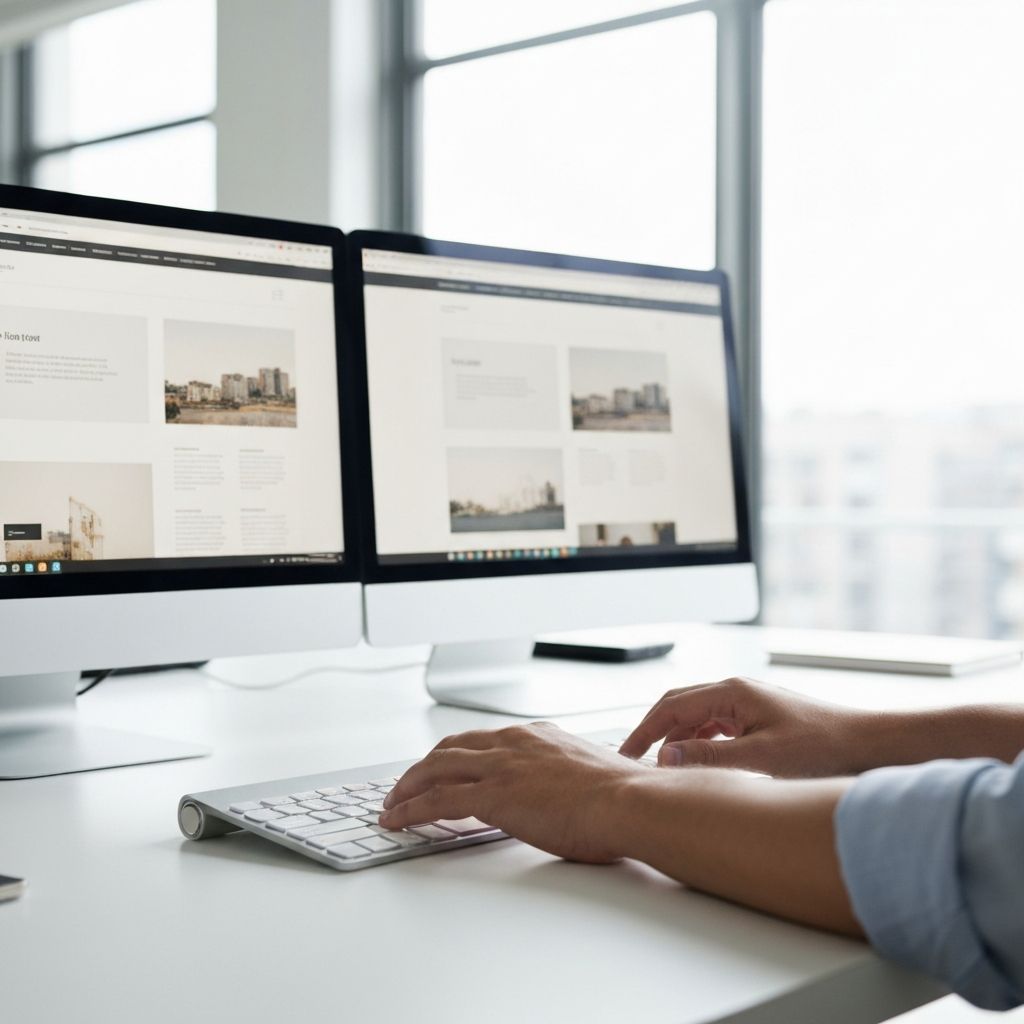
Web design has historically been a slow, expensive process that required designers, developers, copywriters, and project managers working in sequence. A simple business website could take weeks and cost thousands of dollars before it ever went live. Artificial intelligence is rapidly changing that reality. In 2025, AI tools assist with wireframing, generating layouts, writing copy, producing images, coding components, and even running quality checks. The result is a design process that is dramatically faster, more accessible, and far more affordable for businesses of every size. Understanding how AI fits into modern web design helps companies decide where to use it and where human craft still matters most.
How WebPeak Combines AI With Expert Web Design
While AI accelerates production, great websites still need strategy, taste, and technical polish. WebPeak's web development team blends AI-driven workflows with experienced designers and engineers to deliver sites that are both fast to launch and built to perform. They use AI for repetitive tasks like image optimization, content drafting, and prototype generation, while their designers focus on user experience, conversion, and brand identity. This balance helps clients save on cost without sacrificing the quality that defines a professional site.
AI-Powered Layout and Prototyping
One of the biggest time savers in modern web design is AI-assisted prototyping. Tools like Figma AI, Framer AI, and Uizard can generate full page layouts from a short description or even a rough sketch. Designers can iterate through ten variations in the time it once took to produce one. This means clients see options earlier in the process and can make decisions before significant development time is spent.
AI also helps with responsive design. Instead of manually crafting mobile, tablet, and desktop versions, designers can use AI to suggest layout adjustments based on best practices and user behavior data. This reduces revision cycles and makes it realistic for small businesses to launch fully responsive sites within days rather than months.
Smarter Content and Copy Generation
Writing website copy used to be a major bottleneck. Many projects stalled while clients struggled to provide content for their own pages. AI changes this by drafting headlines, hero sections, feature descriptions, FAQs, and meta tags in minutes. Tools like ChatGPT, Jasper, and Copy.ai produce solid first drafts that designers and clients can refine, removing the dreaded blank page from the process.
For SEO, AI suggests keyword-rich headings, generates schema markup, and writes meta descriptions tuned for click-through rate. Pairing strong copy with smart SEO from the start avoids costly content rewrites later. Many teams also rely on website copywriting services that combine AI drafts with human editors to produce on-brand, conversion-focused pages.
AI for Visuals, Code, and Quality Assurance
Custom images and illustrations used to be expensive line items in any web project. With AI image generators like Midjourney, DALL·E, and Adobe Firefly, designers can produce on-brand visuals in minutes. Stock-photo limitations are also fading because AI tools can edit, upscale, and recompose existing images to match a site's exact style guide. Background removal, color correction, and image compression — once tedious manual tasks — now happen automatically.
On the development side, AI coding assistants like GitHub Copilot and Cursor write boilerplate components, suggest accessibility fixes, and catch bugs before they reach production. AI-driven testing tools scan for broken links, slow-loading assets, and layout shifts across devices. The combined effect is a faster build cycle with fewer post-launch issues, which directly reduces cost.
Lower Costs Without Lower Quality
The economics of web design have shifted because AI handles tasks that previously required multiple specialists. A small business can now launch a five-page marketing site for a fraction of what it cost in 2020, and the result can look just as polished. However, AI does not replace strategy or brand thinking. The most successful projects pair AI efficiency with experienced designers who understand the business, the audience, and the goals.
For ongoing maintenance, AI dashboards monitor performance, suggest content updates, and even flag pages that need refreshing based on traffic patterns. This makes long-term ownership cheaper too. Instead of paying for major redesigns every two or three years, businesses can keep their sites current with smaller, AI-guided improvements.
Frequently Asked Questions
Can AI completely replace a web designer?
Not yet. AI can produce solid layouts and copy, but human designers are still essential for brand strategy, user experience decisions, and creative direction. The best results come from designers using AI as a powerful assistant rather than a full replacement.
How much can AI reduce web design costs?
Most teams see savings of thirty to sixty percent on production time, which translates directly into lower project costs. The exact figure depends on the complexity of the site and how deeply AI is integrated into the workflow.
Are AI-generated websites good for SEO?
They can be excellent for SEO when used correctly. AI helps generate keyword-optimized content, structured data, and fast-loading code. However, human review is still important to ensure originality, accuracy, and alignment with brand voice.
What types of businesses benefit most from AI-assisted web design?
Small businesses, startups, and solo entrepreneurs benefit most because AI dramatically lowers the cost of launching a professional site. Larger companies also gain by speeding up internal projects, landing pages, and campaign microsites.
Will AI-designed sites look generic?
Only if AI is used without direction. When paired with strong brand guidelines and an experienced designer, AI-assisted sites can be just as distinctive as fully custom builds. The key is using AI to accelerate execution, not to make creative decisions on its own.
Conclusion
AI is reshaping web design into a process that is faster, cheaper, and more accessible without sacrificing quality. Layouts that once took weeks now appear in hours, copy is generated in minutes, and visuals can be produced on demand. Businesses that embrace this shift gain a real competitive advantage, especially when they pair AI tools with experienced human partners. The future of web design is not AI versus designers — it is the two working together to produce better sites for more clients than ever before.