High-Converting Post-Purchase Upsell Strategies for Direct-to-Consumer Brands
Master high-converting post-purchase upsell strategies for direct-to-consumer brands. Boost average order value with zero risk of cart abandonment.

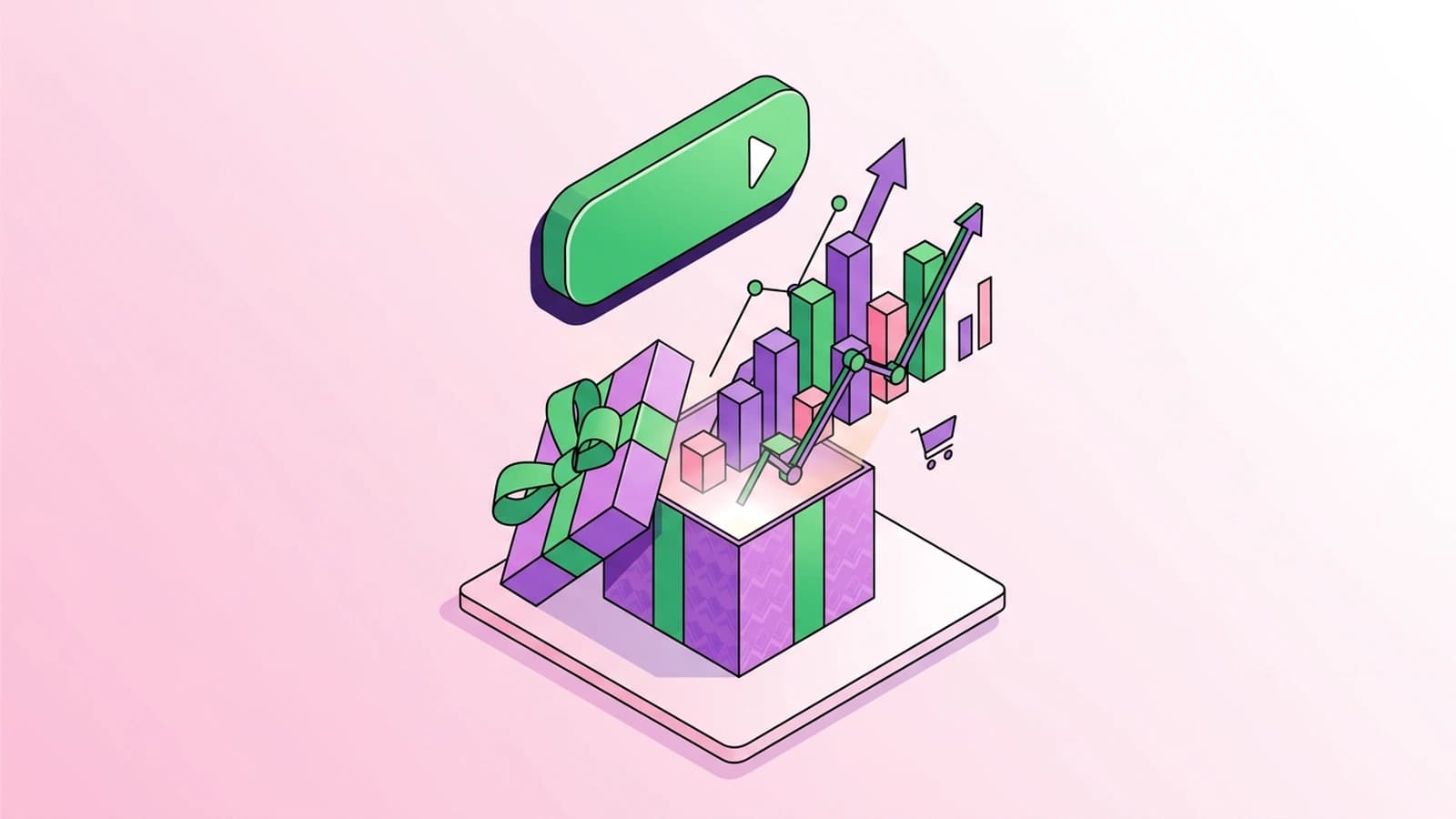
Implementing high-converting post-purchase upsell strategies for direct-to-consumer brands has emerged as one of the most profitable growth levers in modern digital commerce. In an increasingly competitive landscape where advertising acquisition costs on major social networks continue to surge, relying solely on initial transaction values is a recipe for compressed operating margins. The brief window immediately following order completion—when a customer has already demonstrated trust, entered billing credentials, and committed their payment—represents the single most receptive moment in the entire customer journey.
Unlike aggressive pre-checkout popups that disrupt buying momentum and trigger cart abandonment, post-purchase offers occur after the initial transaction is securely authorized. By presenting frictionless, one-click add-on items, premium warranty bundles, or complementary accessories during this golden window, direct-to-consumer retailers can expand their average order value by fifteen to thirty percent without incurring a single additional advertising dollar.
Key Takeaways for Post-Purchase Upsell Mastery
- Post-purchase upsells occur after the primary order is authorized, introducing zero risk of initial cart abandonment.
- One-click checkout technology utilizes tokenized customer payment data to authorize add-on items without re-entering card details.
- Relevance outperforms aggressive discounting: offer complementary accessories or supplies that enhance the primary product.
- A clear, prominent decline option respects customer autonomy and preserves post-purchase brand goodwill.
- Segmented upsell funnels based on initial cart value maximize average order value (AOV) across distinct buyer personas.
The Psychology of the Post-Purchase Window
To engineer compelling upsell offers, digital marketers must understand the neurochemistry of checkout completion. When a shopper finalizes an order, their brain releases dopamine associated with achievement and anticipation. During this psychological state of post-purchase affirmation, buyer defense mechanisms soften. The customer is confident in their choice and actively visualizing how they will enjoy their new acquisition.
If an online store interrupts the checkout flow before payment clears, that dopamine surge is replaced by anxiety and price evaluation. However, by positioning an upsell immediately between the payment gateway authorization and the final thank-you screen, merchants preserve the customer's excitement while extending an exclusive, high-value continuation of their shopping experience.
Pre-Purchase vs. Post-Purchase Upselling: Strategic Comparison
| Upsell Dimension | Pre-Purchase Upselling (In-Cart/Modal) | Post-Purchase Upselling (Post-Checkout) | Strategic Winner |
|---|---|---|---|
| Risk to Initial Sale | High: May cause checkout drop-off and frustration | Zero: Initial transaction is already paid and confirmed | Post-Purchase |
| Payment Friction | Requires shopper to recalculate total cart budget | Frictionless: One-click charge to saved tokenized card | Post-Purchase |
| Average Conversion Rate | 3% to 7% of cart sessions | 10% to 22% of completed checkouts | Post-Purchase |
| Customer Perception | Can feel intrusive or sales-heavy | Feels like an exclusive VIP upgrade or limited reward | Post-Purchase |
| Technical Complexity | Simple theme modal or cart drawer app | Requires payment gateway vaulting & order editing APIs | Context-Dependent |
The Four High-Converting Post-Purchase Offer Archetypes
Successful direct-to-consumer brands do not present arbitrary products on their upsell screens. They deploy four proven offer models tailored to the specific item purchased:
1. The Essential Complement (Cross-Sell)
This offer presents an indispensable accessory that makes the primary product easier, safer, or more enjoyable to use. For example, a customer buying an expensive espresso machine is presented with specialized descaling solution or a precision bean tamper. The perceived utility is immediate, making the decision almost effortless.
2. The Consumable Replenishment Bundle
For skincare, supplements, coffee beans, or pet nutrition, offer a discounted three-month replenishment pack. Frame the offer as a way to save twenty percent and avoid running out of stock. This locks in long-term consumption and instantly boosts first-order margin.
3. The Premium Protection and Warranty Tier
High-value electronics, luxury watches, and outdoor gear are prime candidates for extended care plans. Offering a two-year accidental damage guarantee for a modest flat fee generates near one-hundred percent gross margin revenue while providing genuine peace of mind.
4. The 'Double the Order' Volume Discount
Particularly effective for giftable items, apparel, and lifestyle gadgets, the volume discount invites the buyer to purchase a second identical item for a friend or family member at a forty percent discount. Because shipping costs are already absorbed by the primary package, net profit increases substantially.
Step-by-Step Implementation: Deploying High-Converting Post-Purchase Upsell Strategies for Direct-to-Consumer Brands
Executing an automated post-purchase sequence requires seamless coordination between your payment processing architecture and merchandising strategy. Follow this proven implementation sequence:
- Audit Top-Selling Gateway SKUs: Identify the top twenty percent of products that generate eighty percent of your store's total order volume.
- Select High-Margin Complementary Add-Ons: Pair each gateway SKU with a dedicated, contextually relevant accessory or replenishment pack.
- Calculate Profit Margins and Thresholds: Utilize our free online percentage calculator to determine exact discount boundaries that preserve healthy gross margins while providing genuine customer savings.
- Deploy Tokenized One-Click Upsell Software: Implement compliant upsell architecture integrated with Shopify checkout extensions, allowing instant order modifications without secondary card authorization.
- Engineer Accessible, High-Contrast UI: Design the post-purchase offer page in full compliance with official W3C Web Accessibility Initiative standards, ensuring clear typography, high contrast, and accessible decline buttons.
- Set Up Downsell Logic: If a customer declines the primary upsell offer, present a secondary, lower-priced alternative (such as a ten-dollar accessory) before directing them to the order confirmation page.
Technical Requirements: One-Click Payment Vaulting and Shopify Extensions
The operational backbone of high-converting post-purchase funnels is payment vaulting. When a customer enters their credit card or checks out using Shop Pay, the payment gateway securely tokens the credential. Modern post-purchase apps utilize Shopify's Checkout Extensibility APIs to append accepted upsell items directly to the open order payload.
Partnering with certified experts in ecommerce development solutions ensures your backend inventory and fulfillment management systems process combined orders as a single shipment. Consolidating upsell items into the primary package eliminates redundant shipping labels and avoids customer confusion.
Aligning Post-Purchase Funnels with Omnichannel Marketing
Post-purchase optimization does not end when the shopper leaves the thank-you screen. The initial order and upsell decisions provide rich behavioral segmentation data. Customers who accept premium upsells should be tagged as high-value VIP buyers, triggering exclusive VIP loyalty onboarding sequences.
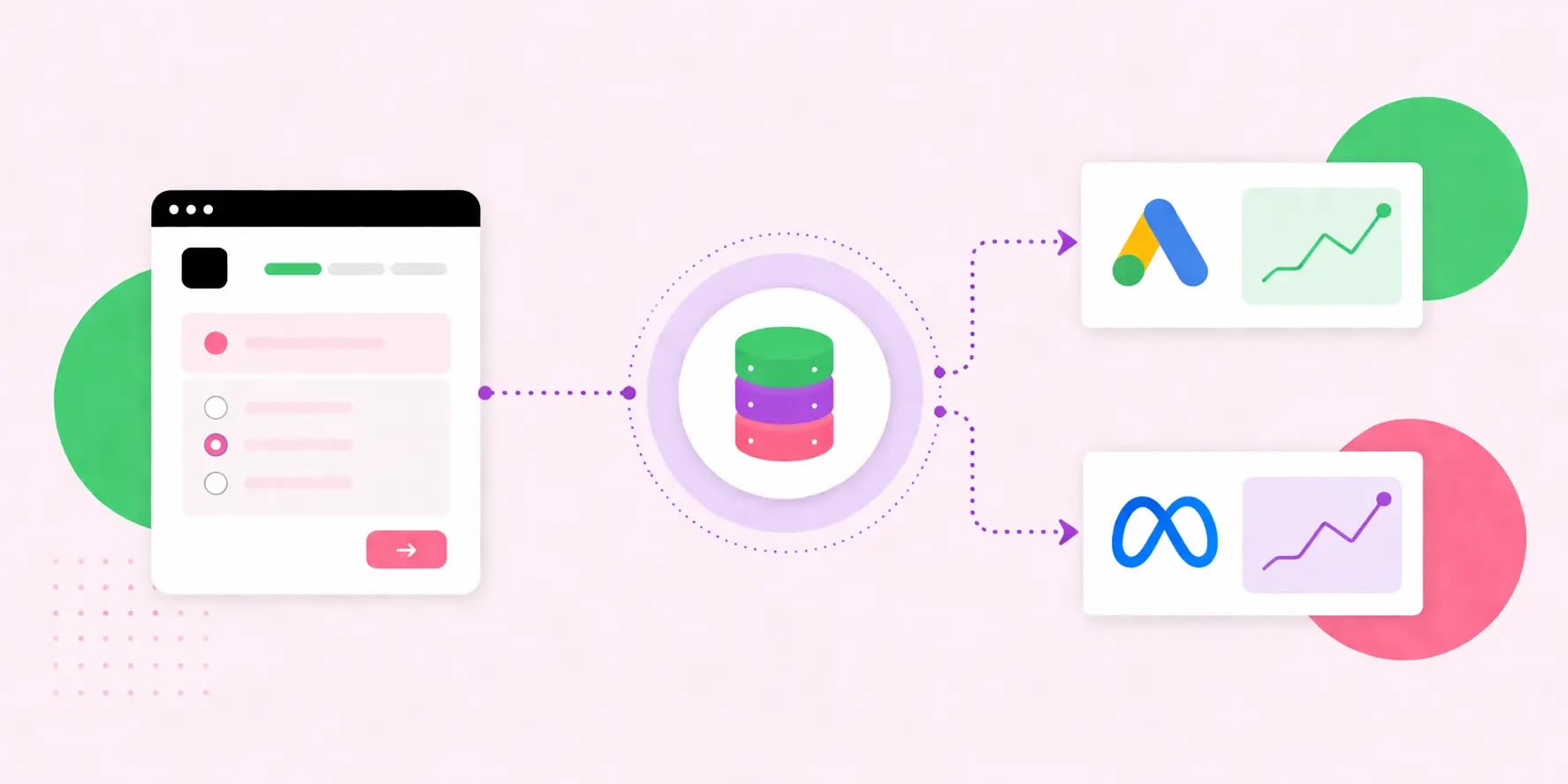
Leveraging experienced digital marketing consultancy services allows brands to sync post-purchase customer tags directly into Klaviyo and Meta Custom Audiences. Excluding recent purchasers from acquisition ad campaigns while funneling them into tailored cross-sell automations maximizes return on ad spend (ROAS) sitewide.
Common Pitfalls in Post-Purchase Upselling
While post-purchase offers offer tremendous financial upside, poor execution can alienate loyal shoppers. Steer clear of these operational blunders:
- Hidden Decline Links: Concealing the 'No thanks' button or rendering it in microscopic gray text frustrates customers and increases payment disputes.
- Offering Random Unrelated Inventory: Promoting warehouse overstock that bears no logical connection to the primary purchase feels impersonal and spammy.
- Endless Multi-Step Funnel Mazes: Forcing shoppers through three or four successive upsell screens creates fatigue and delays receipt confirmation.
- Charging Unannounced Extra Shipping Fees: If an upsell adds unexpected shipping costs to an order that originally qualified for free delivery, customer dissatisfaction spikes.
A/B Testing Variables to Maximize Post-Purchase Take Rates
To elevate your post-purchase take rate from ten percent to twenty percent or higher, commit to continuous experimentation. Test offer headlines that frame savings as limited-time rewards ('Exclusive One-Time Offer for Your Order') versus scarcity messaging ('Only 14 Units Remaining in Warehouse').
Additionally, experiment with product format variations: test whether presenting a single hero product with video demonstration outperforms a two-item bundle choice. Systematic split-testing compounds incremental revenue gains into transformative annual growth.
Copywriting Frameworks for Irresistible Post-Purchase Offers
Persuasive post-purchase copywriting focuses on completing the customer's journey rather than making a pushy pitch. The headline should acknowledge the primary purchase immediately: 'Your order is confirmed! Add this matching accessory to your shipment for 30% off—one time only.'
Clearly highlight the benefit of adding the item now: no extra shipping charges, guaranteed color-match compatibility, and instant dispatch. Providing total pricing transparency with strike-through retail prices and prominent savings badges reinforces the value proposition within three seconds of viewing.
Subscription Upsells: Converting One-Time Buyers into Recurring Revenue
For consumable direct-to-consumer goods—such as organic coffee, pet nutrition, or skincare serums—the post-purchase screen is the prime location to introduce subscription options. Shoppers who were hesitant to commit to a recurring charge during initial checkout are often open to subscribing once their initial purchase is safely completed.
Present an exclusive offer: 'Upgrade your purchase to an automated 60-day auto-delivery and receive 20% off plus free gifts on all future deliveries.' By framing subscription as an effortless cost-saving convenience with anytime cancellation, brands convert transactional buyers into predictable recurring revenue streams.
Fulfillment Logistics and Order Merging Mechanics
Executing post-purchase upselling without logistical coordination can create warehouse chaos. If your order management system treats the upsell as a separate order, your fulfillment center will generate two shipping labels, double packaging expenses, and deliver split packages that confuse customers.
Ensure your post-purchase software holds the initial order in an editable state for a calibrated window (typically 5 to 10 minutes) before releasing it to your Enterprise Resource Planning (ERP) or third-party logistics (3PL) warehouse queue. Merging line items into a unified shipment protects gross margins and delivers a clean, single-box unboxing experience.
Customer Lifetime Value (LTV) Cohort Tracking
To gauge the true impact of post-purchase monetization, track customer cohorts over 60, 90, and 180 days. Compare the retention curves of customers who accepted post-purchase upsells against those who declined.
DTC brands consistently discover that customers who engage with relevant, high-utility upsells develop deeper product engagement and achieve fifteen to twenty percent higher 90-day repurchase rates. When upsells genuinely improve the primary product experience, customer satisfaction and enterprise value climb in tandem.
Regulatory and Consumer Protection Compliance for One-Click Offers
Consumer protection bodies and major credit card networks enforce strict compliance standards around automated post-purchase billing. Merchants must present explicit total billing amounts, clearly state whether recurring charges apply, and provide instantaneous order modification confirmations via email.
Never utilize deceptive countdown timers or pre-checked agreement boxes that violate fair advertising regulations. Ensuring your post-purchase screens demonstrate complete legal and ethical transparency protects your merchant processor standing and eliminates consumer chargeback risks.
Conclusion: Scaling Customer Lifetime Value Sustainably
High-converting post-purchase upsell strategies represent the ultimate alignment of customer satisfaction and merchant profitability. By delivering genuine value, total price transparency, and frictionless one-click execution during the most receptive moment of the shopping journey, direct-to-consumer brands unlock substantial revenue without inflating advertising budgets. Treat post-purchase interactions with respect, test offers rigorously, and turn single-item buyers into enthusiastic, high-lifetime-value brand advocates.
Frequently asked questions
A healthy post-purchase upsell take rate typically falls between 10% and 15%. Highly optimized offers with deep product relevance and generous discounts can achieve take rates exceeding 20% to 25%.
Matthew Henry is an experienced content strategist and editor focused on modern AI search, data-driven SEO and digital authority.