Graphic Design as a Service: How Subscription Models Work
Most businesses do not need a full-time designer, but they need design every single week: a social graphic on Monday, a sales deck on Wednesday, a banner refresh on Friday. Graphic design as a service is a subscription model where a business pays a recurring flat fee for ongoing access to a designer or design team, submitting requests to a queue instead of negotiating a separate quote for every project.
Quick Answer: Graphic design as a service is a subscription arrangement. You pay a fixed monthly fee, submit design requests through a portal or board, and a designer works through them in order, usually one or two active requests at a time. It suits steady, repeatable design needs, but large strategic projects like full brand identities often fit better as scoped engagements.
What Does Graphic Design as a Service Actually Include?
Graphic design as a service includes ongoing production design delivered through a structured request system, billed as a predictable recurring fee. The core promise is simple: no per-project quotes, no hiring process, and a steady flow of finished assets.
A few terms define every offering. A request is a single design task, such as a set of ad sizes or a one-page flyer. An active request is a task the designer is currently working on; many plans limit you to one or two at a time, which is how providers keep a flat price sustainable. Turnaround is the expected time to deliver a first draft or revision, commonly stated as a number of business days per request. Revisions are rounds of changes, sometimes unlimited within reason, sometimes capped. Before you commit, compare these terms the same way you would compare a well-structured proposal from a traditional studio, because the fine print determines what you really get.
What is usually included: social media graphics, ads, presentation decks, email headers, simple print collateral, blog images, packaging adjustments, and edits to existing brand assets. What is often excluded or priced separately: full brand identity creation, complex illustration, motion graphics, website development, and anything that requires deep strategy workshops.
The model works best when the brand foundation already exists. A subscription designer can extend a brand system quickly; inventing one from scratch requires research and decision-making that queue-based work does not support well.
How the Subscription Workflow Runs Day to Day
Most providers follow a similar operating rhythm. Understanding it helps you get far more value from the same monthly fee.
- Onboarding. You share brand guidelines, logos, fonts, color codes, past examples, and access to shared asset folders. The better this kit, the faster every future request moves.
- Submitting requests. You add tasks to a board or portal with a brief: goal, audience, sizes, copy, references, and deadline. Clear briefs are the single biggest predictor of first-draft quality.
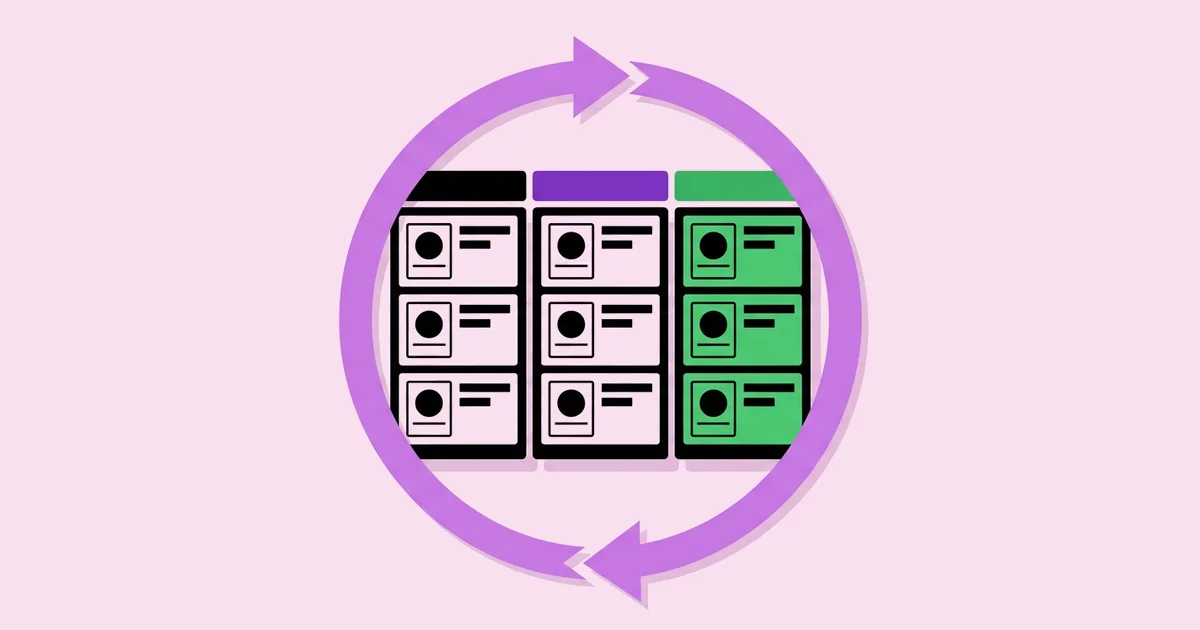
- Queue prioritization. You order the backlog. The designer pulls the top request into active work, then the next, so your priorities decide what ships first.
- Drafts and feedback. The designer delivers a first version, you leave consolidated feedback, and revisions continue until approval.
- Delivery and source files. Final assets arrive in agreed formats. Check whether editable source files are included, because some plans hand over only exports.
- Pausing or cancelling. Many plans let you pause billing during quiet months. Read the pause and cancellation terms before signing, since they vary widely.
Teams that treat the queue like a production line, with tasks briefed and prioritized in advance, typically get noticeably more output than teams that submit vague requests at the last minute.
Subscription Design vs Other Hiring Models
Subscription design is one of four common ways to get design work done. The right choice depends on volume, predictability, and how strategic the work is.
| Model | Pricing Structure | Best For | Main Limitation |
|---|---|---|---|
| Design subscription | Flat recurring monthly fee | Steady flow of marketing and production assets | Limited active requests and less strategic depth |
| Freelancer per project | Quote per project or hourly rate | Occasional, clearly scoped projects | Availability varies and quoting slows small tasks |
| Agency retainer | Monthly retainer for set hours or scope | Strategy, campaigns, and brand stewardship | Higher cost and minimum commitments |
| In-house designer | Salary plus benefits and tools | High volume and deep brand knowledge | Fixed cost even in slow periods and hiring effort |
Many growing businesses end up combining models: an agency or senior freelancer for the brand foundation, then a subscription for ongoing production.
When the Model Delivers Value: A Practitioner's Analysis
There is no authoritative public benchmark comparing subscription design output across providers, so the most honest guide is how the economics work in practice. Having run production design for clients under both project and retainer arrangements, I see three conditions that decide whether a subscription pays off.
The first is consistent volume. If you have design requests most weeks, a subscription removes the friction of quoting and scheduling every task. If you need design only a few times a year, you will pay for idle months unless you pause.
The second is brief quality. A subscription designer is fast because they work from your system. If your team cannot articulate what it wants, revisions pile up and the queue stalls. Assigning one internal owner to write briefs and consolidate feedback is often the highest-leverage change a client can make.
The third is matching work to skill level. Production work such as resizing, templated social posts, and deck formatting does not need a senior strategist. Some providers staff these requests with a junior design assistant under senior review, which keeps quality reasonable while controlling cost. Ask who actually designs your work and who reviews it.
A simple way to evaluate fit: list every design task from the past three months, estimate what each would have cost through a freelancer, and compare that total with the subscription fee for the same period. If the subscription is clearly cheaper and the tasks are mostly production work, the model fits.
Common Mistakes Clients Make With Design Subscriptions
These are the patterns that most often turn a promising subscription into a disappointing one.
- Expecting unlimited to mean simultaneous. Unlimited requests usually means an unlimited queue, not unlimited parallel work. Expect requests to be handled in order.
- Submitting thin briefs. A one-line request produces a generic draft. Include goal, audience, copy, dimensions, and at least one reference.
- Scattering feedback. Comments from five stakeholders in five channels cause confusion. Consolidate feedback into one clear list per round.
- Using a subscription for a rebrand. Full identity work needs research, strategy, and concept exploration that queue-based models rarely support well.
- Ignoring file ownership. Confirm that you own final designs and receive editable source files, or you may be locked out of your own assets later.
- Not checking font and image licensing. Clarify who licenses fonts and stock images, and whether licenses transfer to your business.
- Forgetting to pause. If your needs drop seasonally, use the pause feature rather than paying for idle capacity.
Scope creep deserves its own warning. Because there is no per-project invoice, it is tempting to stuff a single request with ever-growing changes: a flyer becomes a flyer plus three social posts plus a matching email header. Providers usually respond by splitting the work into several queued requests, which feels slow if you expected everything at once. The fix is to define a request as one deliverable family with a clear finish line, then queue related items separately and in priority order. Teams that adopt this discipline rarely complain about speed, because they always know which piece is in progress, which is next, and when each one should land.
Setting Up a Subscription for Maximum Output
Here is a realistic scenario: a growing ecommerce brand signs up for a design subscription to support weekly marketing.
Week one: build the brand kit. The marketing lead uploads the logo in vector formats, brand fonts, color codes, product photos, and five examples of past work the team liked and disliked. This removes guesswork from every future request.
Week one: create brief templates. The team writes a reusable brief template with fields for objective, channel, sizes, headline, body copy, call to action, references, and due date.
Ongoing: maintain a two-week backlog. The marketing lead keeps the queue stocked with briefed tasks two weeks ahead, ordered by launch date. The designer never waits for work.
Ongoing: batch similar tasks. Instead of separate requests for each ad size, the team submits one request for a full set across channels, which speeds delivery and keeps visuals consistent.
Monthly: review output. The team counts delivered requests, revision rounds, and turnaround, then adjusts briefs or priorities. If revision counts climb, the brief template gets improved.
Quarterly: reassess the model. The team compares subscription cost against freelancer quotes for the same output and checks whether bigger strategic projects should be handled separately.
This structure turns a flat fee into a predictable production engine rather than a slow, frustrating inbox.
When output still disappoints after a month or two, diagnose before cancelling. Pull three recent requests that needed many revisions and compare the original brief with the final approved design. If the final looks very different from what the brief described, the problem is usually unclear direction, not designer skill, and a better brief template will fix it. If the brief was clear but drafts kept missing the brand, ask the provider to assign a consistent designer, since rotating staff is a common cause of drift. If neither explains the gap, request a call with the provider's creative lead to review examples together. Most reputable services will adjust staffing or process quickly when you bring specific evidence rather than general frustration.
Key Takeaways
- Graphic design as a service exchanges per-project quotes for a flat recurring fee and a managed request queue.
- Most plans limit active requests, so unlimited usually means an unlimited backlog handled in order.
- Subscriptions deliver the most value for steady production work built on an existing brand system.
- Clear briefs, consolidated feedback, and a stocked backlog are the biggest drivers of subscription output.
- Full rebrands and strategy-heavy projects usually fit better as scoped engagements with a studio or senior freelancer.
Frequently Asked Questions
How much does graphic design as a service cost?
Pricing varies widely by provider, designer seniority, number of active requests, and included services like motion or illustration. Compare plans by what you get per month, including active request limits, turnaround times, revision policies, and source file access, rather than by headline price alone.
Is unlimited graphic design really unlimited?
Usually it means unlimited requests in your queue, not unlimited work happening at once. Designers typically handle one or two active requests at a time and move through the backlog in order. Your total monthly output depends on request complexity, brief clarity, and how quickly you approve drafts.
Can a design subscription create my logo and brand identity?
Some providers offer logo work, but full brand identity projects require research, strategy, and concept exploration that queue-based models handle poorly. For a new brand, a scoped project with a studio or senior designer is usually better, followed by a subscription to produce ongoing assets.
Do I own the designs from a subscription service?
Most reputable providers transfer ownership of final designs to the client, but terms differ. Check the contract for ownership language, whether editable source files are included, and how fonts and stock images are licensed. Get this in writing before submitting your first request.
Who benefits most from design as a service?
Startups, ecommerce brands, marketing teams, agencies needing overflow capacity, and content-heavy businesses benefit most. They share a pattern of steady, repeatable design needs, an existing brand system, and someone internally who can write briefs and manage the request queue consistently.
How fast is turnaround on design subscriptions?
Many providers advertise first drafts within one to three business days for typical requests, though complex work takes longer. Actual speed depends on your queue length, how clear your brief is, and how quickly you provide feedback. Ask for turnaround commitments in writing and track them monthly.
Conclusion
The key decision with graphic design as a service is matching the model to the kind of work you actually have. Steady, brand-consistent production work thrives in a subscription; foundational strategy and identity do not. Audit your last three months of design needs, estimate their per-project cost, and let that comparison decide. If your audit points toward deeper strategic work instead, start by evaluating traditional design companies that specialize in scoped brand engagements.