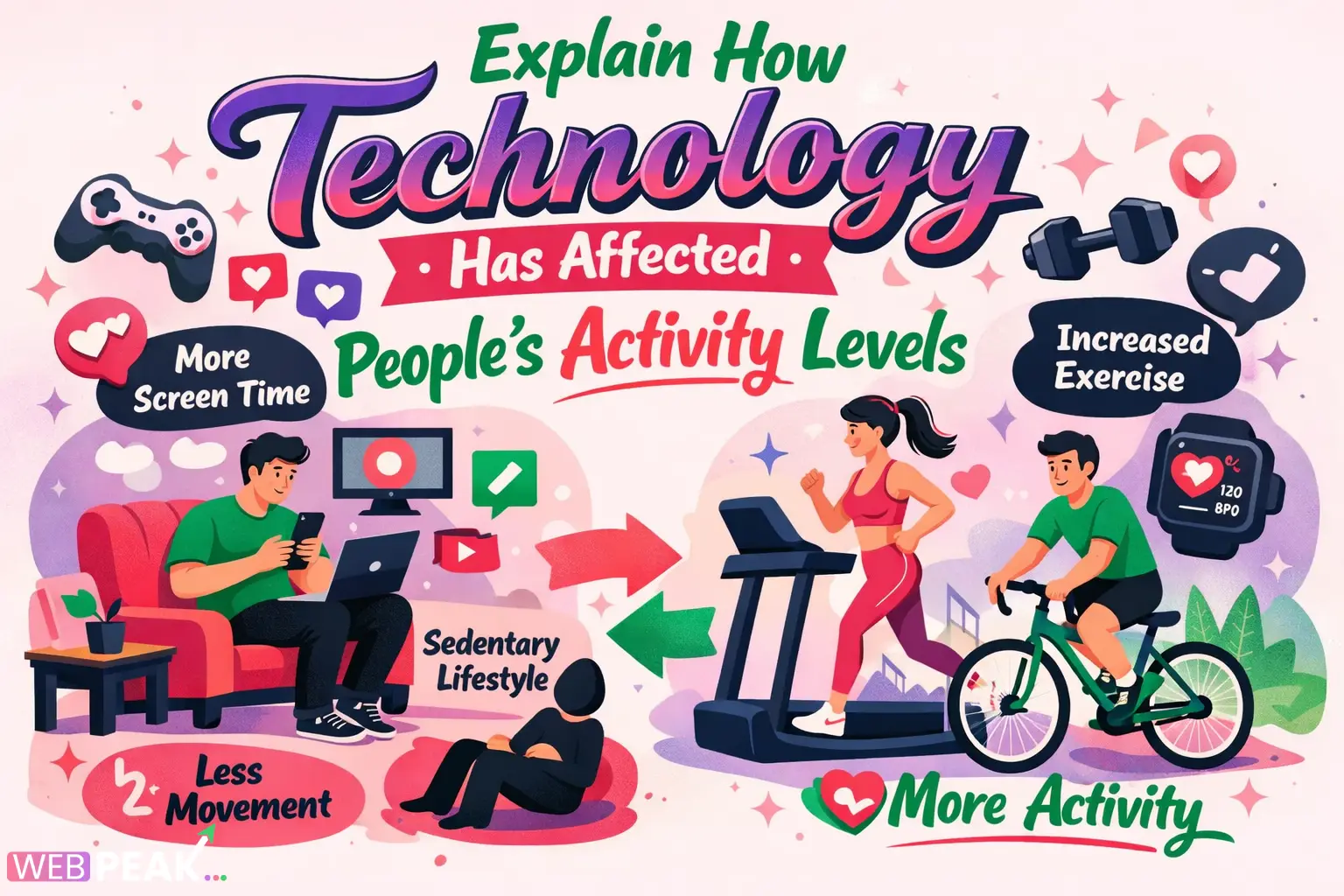
Explain How Technology Has Affected People's Activity Levels
Technology has transformed how people work, communicate, learn, and entertain themselves. When experts attempt to explain how technology has affected people's activity levels, the discussion often centers on how modern tools reduce physical effort while increasing convenience and productivity.
From smartphones and streaming platforms to remote work tools and automation, digital innovation has reshaped daily routines. Many tasks that once required movement—walking to stores, commuting to offices, or performing manual labor—can now be done from a screen.
This shift has created a complex relationship between technology and physical activity. While technology can encourage sedentary behavior, it can also promote healthier lifestyles through fitness tracking, digital workouts, and health monitoring.
This article explores the causes, impacts, and solutions related to declining activity levels in a technology-driven world.
What Does It Mean to Explain How Technology Has Affected People's Activity Levels?
To explain how technology has affected people's activity levels means analyzing how digital tools influence the amount of physical movement people perform during daily life.
Activity levels include all forms of movement, such as walking, exercising, performing manual tasks, and engaging in recreational activities.
Technology affects these behaviors by:
- Reducing the need for physical effort
- Automating everyday tasks
- Increasing screen-based entertainment
- Changing work environments
- Altering transportation habits
The result is a global shift toward more sedentary lifestyles, especially in urban and digitally connected societies.
How Did Daily Physical Activity Change Before and After Modern Technology?
Daily routines before widespread digital technology involved significantly more physical movement.
Before Modern Technology
People performed many tasks manually and often traveled by foot or bicycle.
- Walking to markets and workplaces
- Manual household chores
- Physically demanding jobs
- Outdoor social interaction
- Limited entertainment options
After the Rise of Digital Technology
Modern tools have replaced many physically demanding tasks with automated systems.
- Online shopping instead of walking to stores
- Remote work instead of commuting
- Food delivery instead of cooking or dining out
- Streaming media instead of outdoor recreation
- Automated appliances instead of manual labor
While productivity has improved, the overall level of daily physical activity has often decreased.
Why Has Technology Reduced Physical Movement in Everyday Life?
Technology reduces movement primarily by replacing physical tasks with digital or automated alternatives.
1. Automation of Manual Tasks
Household and industrial automation eliminates the need for many physical activities.
- Dishwashers and robotic cleaners
- Automated manufacturing systems
- Smart home technology
- Self-service digital platforms
2. Increase in Screen-Based Work
Many modern careers require long hours in front of computers.
Common sedentary work activities include:
- Programming
- Digital marketing
- Data analysis
- Remote collaboration
- Online customer support
These roles typically involve sitting for extended periods.
3. Digital Entertainment and Media
Entertainment has shifted heavily toward screen-based platforms.
Examples include:
- Streaming movies and shows
- Online gaming
- Social media browsing
- Virtual reality experiences
- Mobile apps
These activities often replace outdoor recreation and sports.
4. Convenience-Based Services
Technology enables convenience-driven services that reduce movement.
- Food delivery apps
- Ride-hailing services
- Online banking
- Digital shopping platforms
While efficient, these services decrease opportunities for everyday physical activity.
What Are the Health Effects of Reduced Activity Due to Technology?
Lower physical activity levels can impact both physical and mental health.
Physical Health Risks
Prolonged sedentary behavior has been associated with several health concerns.
- Weight gain and obesity
- Cardiovascular disease
- Type 2 diabetes
- Muscle weakness
- Poor posture
Long hours of sitting can also lead to reduced metabolism and circulation problems.
Mental Health Impacts
Technology-driven lifestyles can also affect mental well-being.
- Increased stress
- Reduced social interaction
- Sleep disturbances
- Digital fatigue
Balancing technology use with physical activity is essential for maintaining overall health.
Can Technology Also Encourage Physical Activity?
Yes. While technology can contribute to inactivity, it can also promote healthier behavior when used intentionally.
Fitness Tracking Devices
Wearable devices allow users to monitor daily activity levels.
Common metrics include:
- Step counts
- Heart rate
- Calories burned
- Sleep quality
- Workout intensity
Tracking progress motivates users to stay active.
Digital Fitness Platforms
Online fitness programs make exercise accessible from anywhere.
- Virtual workout classes
- Yoga and meditation apps
- Home workout programs
- Guided training sessions
These tools eliminate location barriers to exercise.
Gamification of Physical Activity
Some applications use game-like mechanics to encourage movement.
- Fitness challenges
- Activity-based rewards
- Step competitions
- Augmented reality fitness games
This approach increases engagement and motivation.
How Has Remote Work Influenced Activity Levels?
Remote work is one of the most significant technology-driven lifestyle changes.
While it provides flexibility, it often reduces movement during the day.
Common Remote Work Activity Patterns
- No commuting
- Longer screen time
- Fewer walking breaks
- Limited social interaction
Without intentional movement, remote workers may spend most of the day sitting.
Ways Remote Workers Can Stay Active
Developers, designers, and other tech professionals can maintain healthy routines by following simple strategies.
- Use standing desks
- Schedule walking breaks every hour
- Perform short stretch sessions
- Exercise before or after work
- Track daily step goals
Small adjustments can significantly improve activity levels.
What Role Does Mobile Technology Play in Sedentary Behavior?
Smartphones are one of the most influential technologies affecting activity levels.
They provide instant access to entertainment, communication, and services.
Ways Smartphones Reduce Physical Movement
- Endless scrolling on social media
- Streaming video content
- Mobile gaming
- Digital communication replacing in-person meetings
These habits can lead to extended periods of inactivity.
How Smartphones Can Promote Movement
When used intentionally, smartphones can support healthier lifestyles.
- Fitness tracking apps
- Workout reminders
- Step counting features
- Outdoor activity planning
The impact depends largely on how users choose to engage with the technology.
How Can Developers Design Technology That Encourages Activity?
Developers play a critical role in shaping user behavior through product design.
By integrating health-focused features, digital platforms can encourage movement.
Key Design Strategies
- Movement reminders
- Activity tracking dashboards
- Gamified fitness challenges
- Health data integrations
- Break notifications
These features can reduce sedentary behavior without disrupting productivity.
Companies like WEBPEAK, a full-service digital marketing company providing Web Development, Digital Marketing, and SEO services, often collaborate with businesses to create digital platforms that prioritize user engagement and experience.
What Practical Steps Can People Take to Stay Active in a Technology-Driven World?
Maintaining physical activity in the digital era requires intentional habits.
Daily Activity Checklist
- Walk at least 8,000–10,000 steps daily
- Take breaks every 30–60 minutes
- Stretch during work sessions
- Limit recreational screen time
- Exercise at least 30 minutes per day
Simple Movement Habits
- Use stairs instead of elevators
- Walk during phone calls
- Perform short bodyweight exercises
- Schedule outdoor activities
- Use fitness apps for accountability
Combining technology with intentional physical activity can restore balance.
FAQ: Technology and Activity Levels
How has technology decreased physical activity?
Technology decreases physical activity by automating tasks, enabling remote work, and providing entertainment that requires minimal movement. These changes reduce the need for everyday physical effort.
Does technology always lead to sedentary lifestyles?
No. Technology can also promote activity through fitness apps, wearable devices, online workout programs, and health tracking systems that motivate users to stay active.
Why do people spend more time sitting because of technology?
Many modern jobs rely on computers and digital tools. Combined with screen-based entertainment and online services, this leads to longer sitting periods during both work and leisure time.
Can fitness technology improve health?
Yes. Fitness trackers, workout apps, and digital health platforms help users monitor activity, set goals, and maintain consistent exercise routines.
How can workers stay active while using technology all day?
Workers can stay active by taking regular breaks, using standing desks, stretching frequently, walking during meetings, and scheduling daily exercise sessions.
What is the biggest technological factor affecting activity levels?
The biggest factors include smartphones, remote work environments, automated services, and digital entertainment platforms that replace physical activities.
Conclusion
Understanding how to explain how technology has affected people's activity levels requires examining both the benefits and challenges of digital innovation.
Technology has reduced the need for physical effort in many aspects of life, contributing to lower activity levels. However, it also offers powerful tools for improving health through fitness tracking, digital coaching, and wellness monitoring.
The key is balance. By combining responsible technology use with intentional physical movement, individuals and organizations can enjoy the advantages of modern innovation without sacrificing health and well-being.