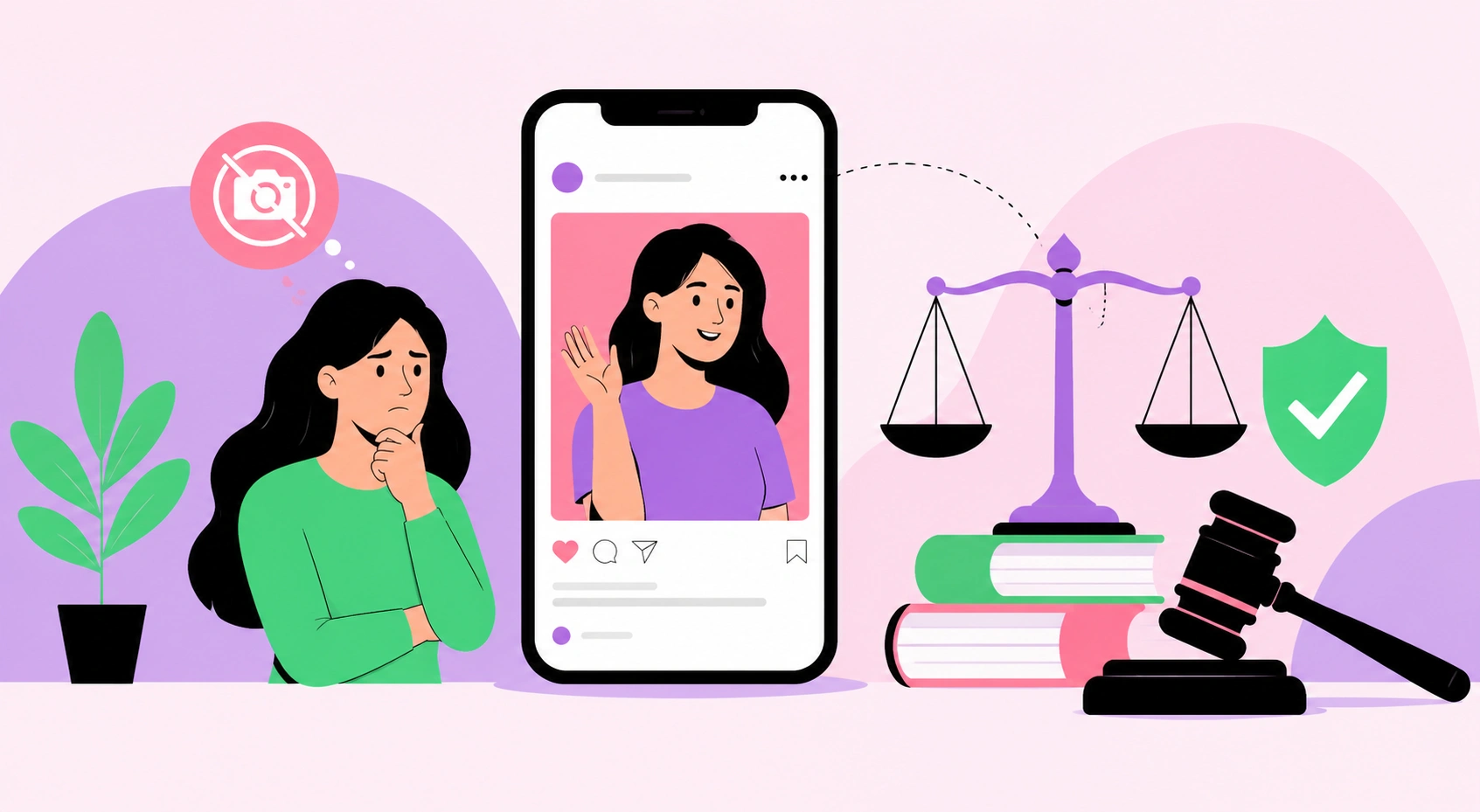
Can I Sue Someone for Posting Me on Social Media
Being posted about online without your permission can feel like a violation, but whether it is legally actionable depends on what was posted, not simply that it was posted. In most cases, someone sharing an ordinary photo or comment about you is not illegal. A lawsuit becomes possible when a post crosses into defamation, invasion of privacy, harassment, or commercial misuse of your image. This article explains, in plain terms, when you may have a legal case, what claims typically apply, and the practical steps to take — so you can respond with clarity instead of frustration.
Quick Answer: You can potentially sue someone for posting you on social media if the post is defamatory, invades your privacy, harasses you, or uses your image commercially without consent. Simply being posted is usually legal, so a valid claim requires actual harm and a recognized legal wrong, not just embarrassment.
How WebPeak Helps Manage Your Online Reputation
While legal action addresses the most serious cases, most reputation problems are better solved by controlling your digital presence. WebPeak helps individuals and businesses strengthen how they appear online through strategic digital marketing services that build positive, high-ranking content to push down unwanted results. When professional presentation matters, their SEO services can help ensure the content you control ranks above content you do not. This is not legal advice, but a practical complement to it — owning your narrative online is often faster and more effective than litigation.
When Does a Social Media Post Become Legally Actionable?
A post becomes legally actionable when it satisfies the elements of a recognized legal claim, not merely when it upsets you. The most common claim is defamation — a false statement of fact, communicated to others, that harms your reputation. Opinions, jokes, and true statements generally do not qualify. Understanding the categories helps you assess your situation:
- Defamation (libel): A false factual claim presented as truth that damages your reputation.
- Invasion of privacy: Publishing private facts, or intruding on private moments, that a reasonable person would find offensive.
- Harassment or cyberstalking: A repeated course of conduct intended to intimidate, threaten, or torment.
- Right of publicity: Using your name, image, or likeness for commercial gain without consent.
- Intentional infliction of emotional distress: Extreme, outrageous conduct causing severe emotional harm.
Laws vary significantly by country and U.S. state, so what qualifies in one jurisdiction may not in another.
What Steps Should You Take Before Suing?
Litigation is expensive and slow, so exhaust practical remedies first and build a strong record. Taking the right steps early protects your options if you do pursue a claim. Follow this sequence:
- Preserve evidence: Screenshot the post, comments, URLs, timestamps, and the poster's profile before anything is deleted.
- Report to the platform: Use built-in reporting tools — most content violating terms of service is removed without a lawsuit.
- Send a takedown or cease-and-desist request: A clear written demand often resolves the issue quickly.
- Assess the harm: Note real consequences like lost work, threats, or damaged relationships — harm strengthens any claim.
- Consult a qualified attorney: A defamation or privacy lawyer can evaluate whether your facts meet legal thresholds.
- Consider the cost-benefit: Weigh potential damages against legal fees, time, and further publicity.
In many cases, reporting and a formal demand letter resolve the problem faster and cheaper than court.
What Types of Claims Apply to Different Situations?
The right legal claim depends entirely on the nature of the post. Matching the situation to the correct claim helps you and your attorney evaluate strength quickly. The table below outlines common scenarios and the claims that typically apply.
| Situation | Possible Legal Claim | Key Requirement |
|---|---|---|
| False statement presented as fact | Defamation (libel) | Statement must be false and harmful |
| Private photo shared publicly | Invasion of privacy | Content must be genuinely private |
| Repeated threatening messages | Harassment / cyberstalking | Ongoing pattern of conduct |
| Your image used in an ad | Right of publicity | Commercial use without consent |
| True but embarrassing post | Usually no valid claim | Truth is a strong defense |
How Common and Successful Are Social Media Lawsuits?
Social media legal disputes have risen sharply as online activity grows. According to Pew Research Center, roughly 41% of U.S. adults have personally experienced some form of online harassment, showing how widespread the underlying problem is. Yet the Pew data also indicates many people feel platforms and laws respond inadequately, which is why understanding your rights matters. Defamation cases in particular can be difficult to win because plaintiffs must prove falsity and actual harm — a high bar in many jurisdictions.
The original perspective worth emphasizing: for most people, the goal is not a courtroom victory but content removal and peace. Lawsuits are best reserved for cases with clear falsity, serious harm, and an identifiable, solvent defendant. Anonymous posters, satire, and true-but-unflattering content rarely justify litigation. In my observation of how these situations unfold, the individuals who recover fastest are those who act quickly to preserve evidence and pursue platform removal, treating the lawsuit as a last resort rather than a first reaction. This article is educational and not a substitute for advice from a licensed attorney in your jurisdiction.
Key Takeaways
- Simply being posted on social media is usually legal; a lawsuit requires a recognized legal wrong.
- Defamation requires a false statement of fact — opinions and true statements are generally protected.
- Preserving screenshots and reporting to the platform should come before any lawsuit.
- About 41% of U.S. adults have faced online harassment, per Pew Research Center.
- Content removal and reputation management often solve the problem faster than litigation.
Frequently Asked Questions
Can I sue someone for posting a photo of me without permission?
Usually not, if the photo was taken in public or is not private. You may have a claim if the photo reveals genuinely private moments, is used commercially without consent, or accompanies defamatory statements. Report it to the platform first, since many such posts violate terms of service.
Is it defamation if the post about me is true?
No. Truth is one of the strongest defenses to defamation. A statement must be a false assertion of fact that harms your reputation to qualify. Even if a true post is embarrassing, it generally is not defamatory, though other claims like privacy invasion could still apply in narrow cases.
What should I do first if someone posts something harmful about me?
Preserve evidence immediately by screenshotting the post, URL, timestamps, and profile. Then report it to the platform and consider a cease-and-desist request. These steps often resolve the issue without a lawsuit and protect your options if you later consult an attorney about legal action.
Can I sue if I don't know who posted about me?
It is much harder with anonymous posters. Courts may allow a subpoena to unmask an anonymous user in serious defamation or harassment cases, but this adds cost and time. Platform reporting is often the more practical route when the person's identity is unknown or hidden.
How much does it cost to sue over a social media post?
Costs vary widely, often ranging from a few thousand dollars to much more for defamation cases that go to trial. Attorney fees, court costs, and time add up quickly. Because of this, many people weigh damages against expenses and pursue removal or settlement instead.
Conclusion
The single most important decision is distinguishing between a post that is merely upsetting and one that is genuinely unlawful — only the latter supports a lawsuit. Before considering court, preserve your evidence, report to the platform, and send a clear demand; these steps resolve most situations faster and cheaper. If the content is false, harmful, and traceable to a real defendant, consult a licensed attorney to assess your specific claim. Acting calmly and strategically protects both your rights and your peace of mind. This content is informational and not legal advice.