
Audio Books on Artificial Intelligence: The Best Way to Learn AI on the Go
Discover the best audio books on artificial intelligence, how to choose the right one for your level, and why listening beats reading for busy learners.
Audio Books on Artificial Intelligence: The Best Way to Learn AI on the Go
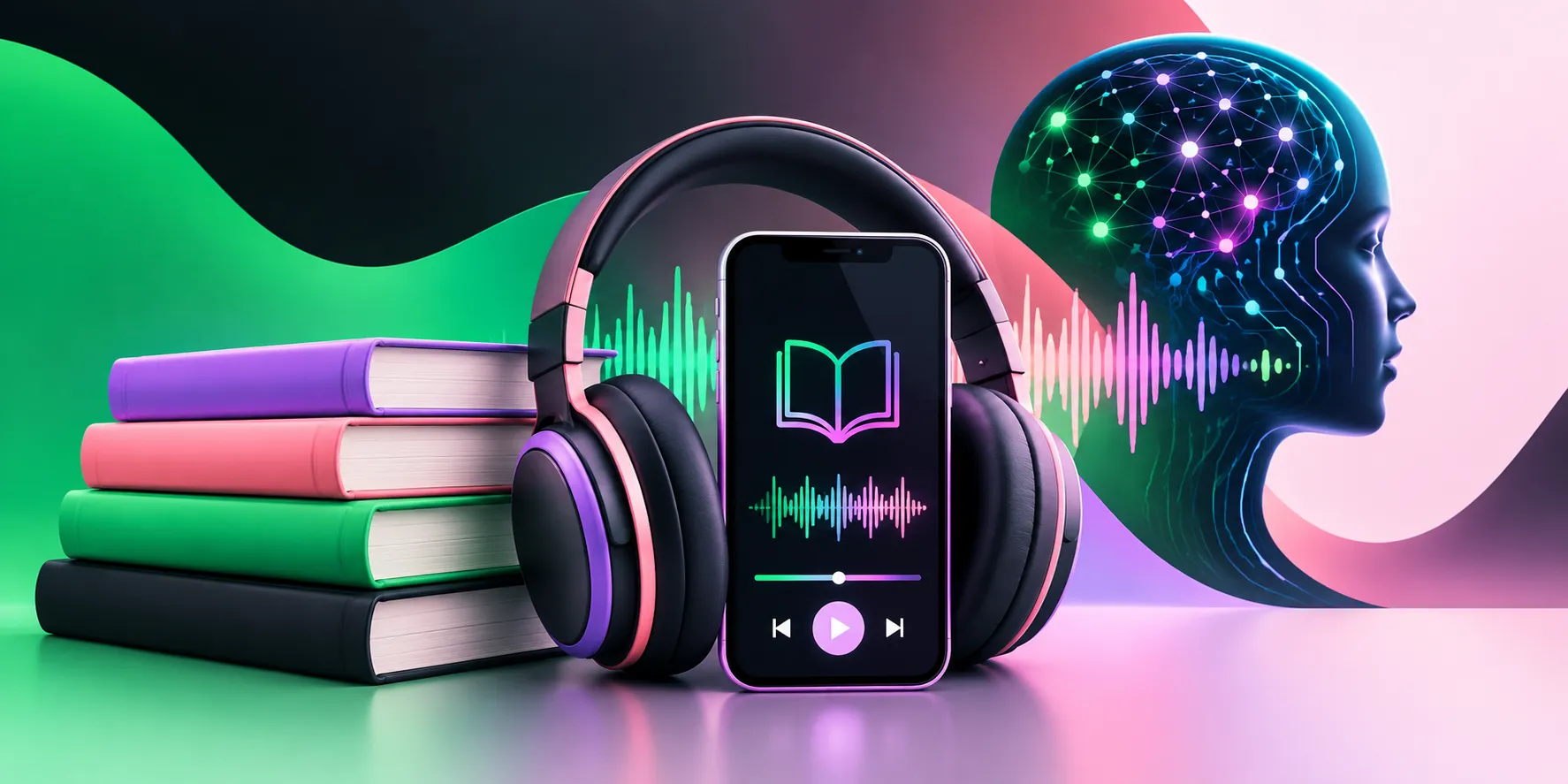
Artificial intelligence has moved from research labs into everyday conversation, and most people trying to understand it don't have time to sit down with a 400-page textbook. Audio books on artificial intelligence solve that problem by turning commutes, workouts, and chores into learning sessions. An AI audiobook is simply a narrated version of a book covering machine learning, neural networks, AI ethics, or the broader social impact of intelligent systems, distributed through platforms like Audible, Spotify, or Libro.fm. The format has grown alongside public interest in AI because it lets non-technical readers absorb complex ideas without needing a coding background or a quiet afternoon.
Quick Answer: The best audio books on artificial intelligence combine accessible narration with credible expertise — titles like "Life 3.0" by Max Tegmark, "Superintelligence" by Nick Bostrom, and "The Alignment Problem" by Brian Christian are widely recommended starting points for beginners and professionals alike.How WebPeak Helps Brands Turn AI Knowledge Into Content People Actually Use
Publishers, authors, and edtech companies producing AI-focused audio content need more than a good manuscript — they need a website that helps listeners discover, sample, and purchase episodes without friction. This is where a specialized digital partner adds real value. Website design services from WebPeak help audiobook publishers and AI educators build clean, fast-loading platforms with embedded audio players, chapter previews, and search-friendly book catalogs, while their artificial intelligence services support smarter recommendation engines that match listeners to the right AI title based on their skill level and interests. For a company sitting on hours of expert AI narration, that combination is often the difference between content that gets discovered and content that sits unheard on a server.
Why Listening to AI Books Works Better for Many Learners
Audio learning activates comprehension differently than silent reading, and for dense technical subjects like machine learning, that difference matters. Listening forces a steady pace, which prevents the skimming that often happens when readers hit a difficult paragraph in a printed book. A well-narrated AI audiobook also uses vocal emphasis to signal which concepts are foundational versus supplementary, something a printed page cannot do on its own. In practice, listeners who struggle to finish technical books in print often report finishing audio versions of the same material simply because the format fits into dead time — driving, cleaning, or exercising — that would otherwise go unused. Key term: narrated non-fiction refers to audiobooks of factual, research-based content, as opposed to fiction, and AI titles fall squarely into this category, meaning accuracy and narrator clarity matter more than dramatic performance.
How to Choose the Right AI Audiobook for Your Level
Not every AI audiobook is written for the same audience, and picking one that matches your background prevents frustration halfway through. Use this approach to narrow your choice:
- Complete beginners should start with conversational, story-driven books that explain concepts through real-world examples rather than equations, such as "Life 3.0" by Max Tegmark or "AI 2041" by Kai-Fu Lee and Chen Qiufan.
- Business and policy readers benefit from books focused on impact and governance, like "The Age of AI" by Henry Kissinger, Eric Schmidt, and Daniel Huttenlocher, which frames AI as a societal shift rather than a technical one.
- Ethically minded listeners should prioritize "The Alignment Problem" by Brian Christian or "Weapons of Math Destruction" by Cathy O'Neil, both of which examine how AI systems can go wrong in practice.
- Technically curious listeners without a coding background can try "Artificial Intelligence: A Guide for Thinking Humans" by Melanie Mitchell, which explains machine learning mechanics in plain language.
- Researchers and academics may prefer denser works like "Superintelligence" by Nick Bostrom, which requires more sustained attention but rewards it with rigorous argumentation.
Comparing Popular AI Audiobooks by Focus and Difficulty
The table below compares several widely recognized AI audiobooks by their primary focus, difficulty level, and ideal listener, based on their published content and general reception among readers and reviewers.
Audiobook Title Author Primary Focus Best For Life 3.0 Max Tegmark Future scenarios and societal impact General audience, beginners Superintelligence Nick Bostrom Long-term risk and philosophy Academics, policy thinkers The Alignment Problem Brian Christian AI ethics and safety research Technically curious readers Artificial Intelligence: A Guide for Thinking Humans Melanie Mitchell Explaining how machine learning works Non-technical learners Weapons of Math Destruction Cathy O'Neil Algorithmic bias and real-world harm Social science and policy readers What the Growth of AI Audiobooks Tells Us About Public Interest
The rise in AI-focused audiobook titles over the past several years mirrors a broader pattern seen whenever a technology moves from specialist to mainstream: general audiences want context before they want code. Publishers have responded by releasing more accessible, narrative-style AI books rather than purely technical manuals, because listener demand skews toward understanding implications — jobs, ethics, creativity, governance — rather than implementation details. In practice, authors who frame AI through real stories and case studies, rather than abstract theory, tend to attract a wider audiobook audience, since the format rewards clarity and pacing over density. This shift also explains why several bestselling AI books, including "The Age of AI" and "Life 3.0," were written by authors known for public communication rather than solely academic research, since translating complex ideas for a listening audience is its own distinct skill separate from technical expertise.
Key Takeaways
- Audio books on artificial intelligence let listeners absorb complex AI concepts during commutes, workouts, or chores without needing a technical background.
- Matching the book to your experience level — beginner, business-focused, ethics-focused, or technical — prevents frustration and improves retention.
- Story-driven AI audiobooks like "Life 3.0" and "AI 2041" work best for newcomers, while "Superintelligence" suits readers ready for denser argumentation.
- AI audiobooks focused on ethics and bias, such as "Weapons of Math Destruction," are essential for understanding real-world risks, not just theoretical ones.
- Publishers and educators benefit from investing in well-designed digital platforms that make AI audio content easy to discover and sample.
Frequently Asked Questions
What is the best audiobook to start learning about artificial intelligence?
"Life 3.0" by Max Tegmark is widely recommended for beginners because it explains AI's potential future through accessible scenarios rather than technical jargon. It balances optimism and caution, making it a good entry point before moving to denser, more academic AI titles.
Are AI audiobooks accurate compared to reading the print version?
Yes, reputable AI audiobooks use the same manuscript as the print edition, so the content is identical. The narration adds pacing and emphasis, but no facts or arguments are altered, making audio a reliable alternative for readers short on time.
Can I learn machine learning concepts just from listening to audiobooks?
Audiobooks build conceptual understanding of machine learning — what it is, how it's used, and its limitations — but they generally don't teach hands-on coding skills. Pairing audiobooks with interactive courses or tutorials gives a more complete, practical foundation.
Which AI audiobook is best for understanding AI ethics and bias?
"Weapons of Math Destruction" by Cathy O'Neil and "The Alignment Problem" by Brian Christian are strong choices, since both examine real cases where algorithms caused unintended harm. They're especially useful for policymakers, educators, and anyone evaluating AI systems critically.
Where can I find audio books on artificial intelligence?
Major platforms like Audible, Spotify, Apple Books, and Libro.fm carry most popular AI titles, often with free samples before purchase. Public libraries also frequently offer free access through apps like Libby or Hoopla, making it easy to try a book before committing.
Conclusion
The most important decision when exploring audio books on artificial intelligence isn't which single title is "best" — it's matching the book to your current understanding and goals, whether that's general curiosity, business strategy, or ethical concern. Start with one accessible title, finish it, and let it guide your next pick rather than trying to tackle the most technical book first. That steady, level-appropriate approach builds real understanding of AI faster than jumping straight into dense academic material ever could.
Related articles
 Artificial Intelligence
Maryville University Master of Science in Artificial Intelligence Online Cost: A Complete Breakdown
Understand the Maryville University Master of Science in Artificial Intelligence online cost, how per-credit tuition works, hidden fees, and how to calculate total spend.
 Artificial Intelligence
Mahjong Artificial Intelligence: How AI Learned to Beat the World's Hardest Tile Game
Mahjong artificial intelligence solves hidden information, four-player dynamics, and luck. Here is how systems like Suphx work and how to use AI to improve your play.
 Artificial Intelligence
EU AI Act 2026 News Today: What Changed, What Still Applies, and How to Stay Compliant
The Digital Omnibus reshaped the EU AI Act timeline in July 2026. Here is what changed, what still applies now, and the compliance steps that matter most.