Why Is Shaming Children on Social Media Considered as Cyberbullying
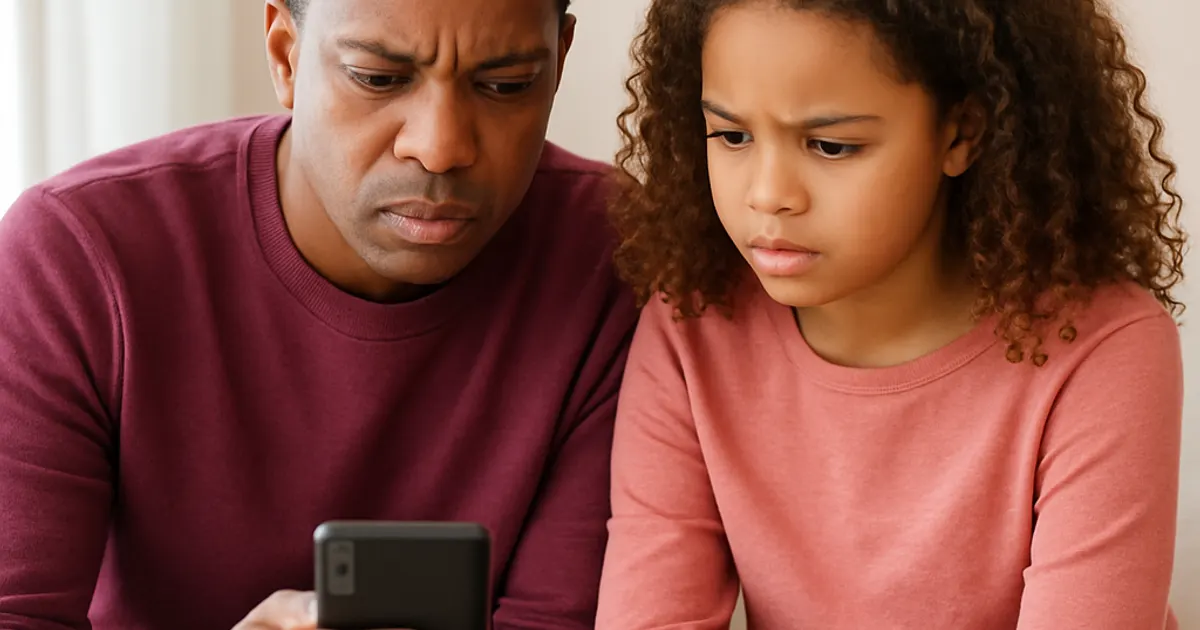
A parent films a child holding a sign confessing a mistake, posts it for thousands to see, and calls it discipline. The intent may be correction, but the mechanism is public humiliation broadcast to an audience the child cannot control or escape. Cyberbullying is the use of digital platforms to repeatedly harm, humiliate, or intimidate a person, and public shaming meets that definition precisely when the target is a child. The power imbalance, permanent reach, and lack of consent transform a private lesson into public harm. Understanding why this crosses the line is essential for any parent, teacher, or caregiver navigating the digital age.
Quick Answer: Shaming children on social media is cyberbullying because it uses a public digital platform to humiliate a person without consent, creates permanent and widely shared harm, exploits a power imbalance, and causes lasting psychological damage. The intent to discipline does not remove the harmful, public, and non-consensual nature of the act.
How WebPeak Promotes Responsible Online Communication
WebPeak helps schools, nonprofits, and family-focused brands communicate digital safety messages clearly through their content writing services, producing accurate, empathetic resources on topics like cyberbullying prevention. Their social media management services help organizations build positive, moderated online communities where harmful content is identified and addressed responsibly. As a worldwide digital agency, they understand how online reach amplifies messages, which is exactly why responsible communication matters. You can explore their full range of services at WebPeak.
What Makes Public Shaming a Form of Cyberbullying?
Public shaming becomes cyberbullying when it combines three defining elements: a digital audience, intent or effect of humiliation, and an inability of the victim to defend themselves equally. A child cannot consent to having their worst moment broadcast, nor can they remove the content once it spreads. This is what separates a private conversation from cyberbullying.
The key term here is power imbalance, which means one party holds significantly more control than the other. A parent or adult controls the camera, the caption, the platform, and the framing. The child has none of these. When that imbalance is used to expose a child to ridicule from strangers, the act fits squarely within the recognized definition of bullying behavior, regardless of the adult's stated intentions.
What Lasting Harm Does Online Shaming Cause Children?
The damage from public shaming is not limited to a moment of embarrassment; it follows the child across time and platforms. Research on adverse childhood experiences links public humiliation to long-term emotional and behavioral consequences. The most documented harms include the following:
- Psychological damage: Increased risk of anxiety, depression, and lowered self-esteem.
- Eroded trust: Children shamed by caregivers often struggle to feel safe with the very adults meant to protect them.
- Permanent digital footprint: Screenshots and reposts make removal nearly impossible, affecting future schooling and employment.
- Peer victimization: Classmates may use the content to taunt the child, extending the bullying offline.
- Modeled behavior: Children learn that humiliation is an acceptable way to handle conflict.
Each of these outcomes works against the original goal of correcting behavior. Humiliation rarely teaches the intended lesson; instead it teaches fear, resentment, and secrecy.
How Does Online Shaming Compare to Healthy Discipline?
The difference between discipline and shaming is not severity but method, audience, and dignity. Effective discipline corrects behavior privately while preserving the child's self-worth, whereas shaming corrects behavior publicly at the cost of that self-worth. The table below contrasts the two approaches across key dimensions.
| Dimension | Public Online Shaming | Healthy Private Discipline |
|---|---|---|
| Audience | Strangers and the wider internet | The child and trusted family only |
| Permanence | Permanent, shareable, hard to delete | Temporary and contained |
| Emotional effect | Humiliation, fear, resentment | Accountability with security |
| Lesson learned | Avoid getting caught, distrust adults | Understand and correct the behavior |
What Do Experts and the Law Say About This Practice?
Authoritative bodies increasingly recognize public shaming as harmful and, in some cases, legally risky. According to UNICEF, cyberbullying includes spreading content that humiliates or embarrasses someone, and it warns that such behavior can have serious effects on a child's mental health. According to research published by the Cyberbullying Research Center, roughly a third of students report being cyberbullied at some point, and exposure to online humiliation is strongly associated with emotional distress. When the source of that humiliation is a caregiver, the betrayal compounds the harm.
From a legal and ethical standpoint, child welfare advocates note that publicly identifiable shaming content can constitute emotional abuse in extreme cases, and in some jurisdictions it has prompted intervention by child protection services. My own analysis of these cases suggests a simple principle for parents: if you would not allow a stranger to film and post your child's punishment, you should not do it yourself. The platform does not sanitize the act; it amplifies it. Discipline that requires an audience is no longer discipline.
Key Takeaways
- Public shaming qualifies as cyberbullying because it is public, non-consensual, and exploits a power imbalance.
- The harm is permanent due to screenshots and reposts that create a lasting digital footprint.
- UNICEF classifies humiliating online content as a recognized form of cyberbullying.
- Around one-third of students report experiencing cyberbullying, according to the Cyberbullying Research Center.
- Effective discipline corrects behavior privately while protecting the child's dignity and trust.
Frequently Asked Questions
Is shaming my own child online still considered cyberbullying?
Yes. Cyberbullying is defined by the act and its effect, not the relationship. Publicly humiliating your child online exposes them to strangers without consent and creates lasting harm. The parental relationship does not exempt the behavior; child safety experts widely consider it a harmful and abusive practice.
Can posting humiliating content about a child be illegal?
It can be, depending on your jurisdiction. In severe cases, public humiliation may be treated as emotional abuse and prompt child protection involvement. Content that endangers a child or violates privacy laws can also carry legal consequences. Laws vary, so consulting local regulations is important.
Why is public shaming worse than private punishment?
Public shaming adds permanence, a strangers' audience, and loss of dignity. Private discipline contains the lesson and protects self-worth. Online humiliation often teaches children to fear and distrust adults rather than understand their behavior, while a permanent digital record can damage their future opportunities.
What are better alternatives to shaming a child online?
Use private, calm conversations, clear and consistent consequences, and natural accountability tied to the behavior. Focus on teaching rather than humiliating. If conflict feels overwhelming, family counseling helps. The goal is correcting behavior while keeping the child emotionally safe and trusting of caregivers.
What should I do if I see a child being shamed online?
Avoid sharing or amplifying the content, as that extends the harm. Report it to the platform, and if the child appears at risk, contact local child protection services. Supportive, non-judgmental outreach to the family can also help redirect behavior toward healthier discipline.
Conclusion
The most important insight is that intent does not erase impact: even well-meaning correction becomes cyberbullying once it is broadcast to a public audience without a child's consent. Shaming may produce short-term compliance, but it trades a child's long-term trust, mental health, and digital reputation for it. The healthier path is private, dignity-preserving discipline that teaches rather than humiliates. Protecting children online begins with the adults closest to them choosing connection over public correction, and that choice reflects genuine, responsible care.