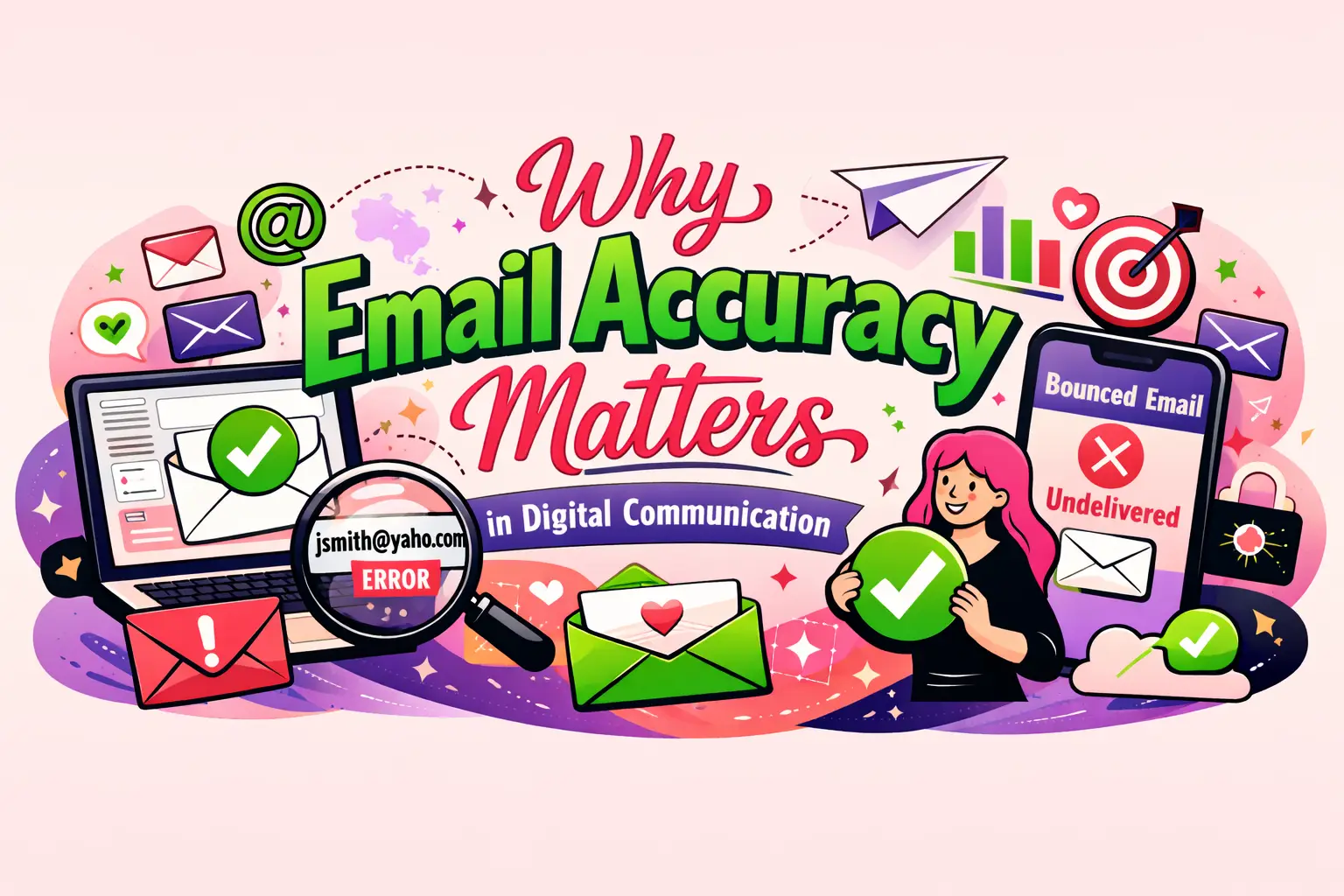
Why Email Accuracy Matters in Digital Communication
Imagine this: a single typo in an email address tanks your $50,000 deal. Or you accidentally attach confidential HR files and blast them to people who had no business seeing them. Sound far-fetched? It happens every single day in businesses just like yours. Email accuracy boils down to nailing four fundamentals each time you hit send: right recipient, right content, right context, right timing. Miss even one? You're staring down lost deals, compliance nightmares, blown deadlines, and relationships that fall apart.
Here's the upside: when you tighten up your email communication, you'll immediately see crisper messages, fewer bounces, stronger deliverability, a sender reputation that actually works for you, quicker decisions, and relationships that feel genuinely professional. At this point, effective email communication backed by solid professional email writing and thoughtful email etiquette isn't a nice-to-have. It's baseline infrastructure.
Now that the stakes are crystal clear, let's dig into what email accuracy really entails and why it goes way beyond just typing the address correctly.
Deliverability and sender reputation accuracy that algorithms reward
Your inbox is a gatekeeper. One misstep locks you out permanently.
Using an email verifier to reduce bounces and protect reputation
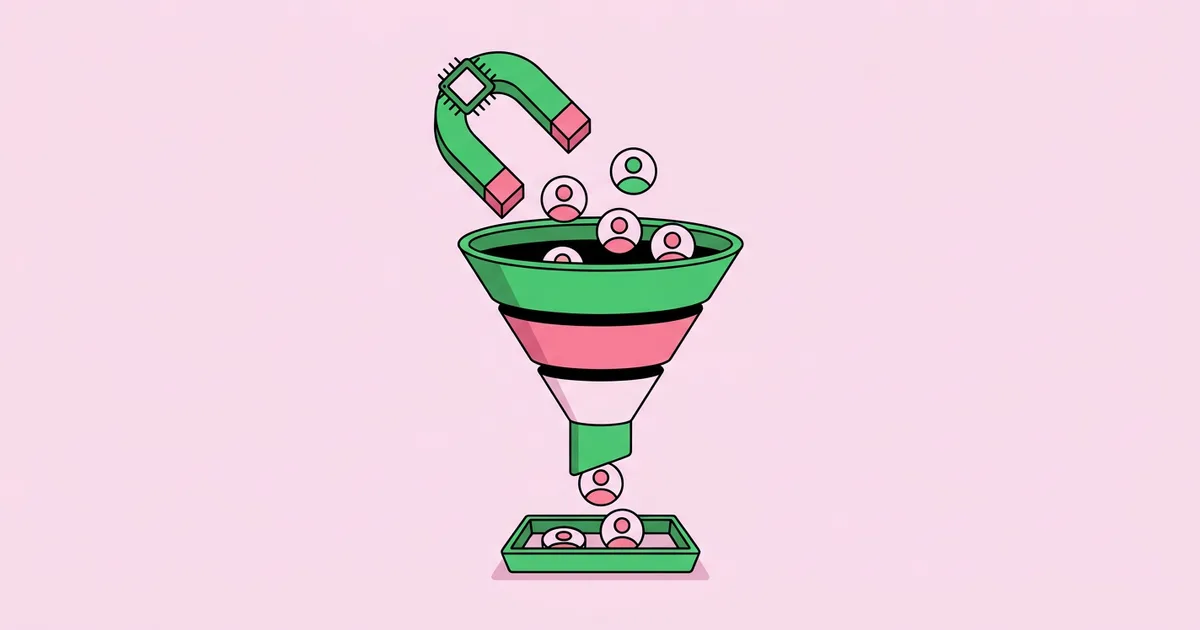
Stopping bad addresses before they infiltrate your system beats cleanup every time. An email verifier handles this by checking syntax, validating domains and MX records, running mailbox-level checks when feasible, flagging disposable and role-based addresses, and managing catch-all domains strategically. Verify emails at signup in real-time, before sending campaigns in batch mode, after imports or CRM migrations, and during quarterly tune-ups. Real-time verification catches problems upstream, safeguarding both deliverability and the customer experience.
Even when your emails reach the inbox, delivery means nothing if the message itself torches trust the second someone opens it.
Bounce rates, spam signals, and inbox placement tied to email accuracy
Hard bounces hit when an email address simply doesn't exist. Soft bounces pop up for temporary hiccups, think full inboxes or server downtime. Stack up enough hard bounces and Gmail or Outlook learns you're sloppy with your list. That tanks your sender reputation and inbox placement. A bounce rate hitting 10%? That's a blazing red flag screaming unverified list time for immediate action (Unlayer). Messy lists also jack up spam complaints and trigger throttling, especially on the big platforms.
Spotting the threat is only step one here's what clean actually looks like in concrete numbers.
List hygiene benchmarks that protect deliverability
You want to keep hard bounce rates under 2% for campaigns that perform well. Use suppression lists without exception to avoid emailing known bad addresses. Segment your audience and try re-engaging inactive subscribers before you cut them loose. Clean your lists quarterly if you're adding contacts slowly, monthly if you're scaling fast. Timing matters because data rots people switch jobs, ditch email addresses, and move on with their lives.
Manual cleaning only gets you so far. Smart senders automate accuracy from the very first entry point.
Email accuracy as the foundation of effective email communication
Accuracy means more than catching typos. It's the skeleton holding your entire message upright.
Accuracy vs. clarity vs. tone how they work together in email communication
Here's something worth noting: a recent study revealed that 80% of business leaders consider data essential for sound decision-making, while 73% credit it with reducing uncertainty in business conversations (Contact Center Pipeline). That insight translates directly to your inbox. Email accuracy actually consists of four distinct layers: address accuracy (getting both recipient and domain right), content accuracy (nailing facts, attachments, links, numbers), intent accuracy (crystal-clear asks, deadlines, ownership), and tone accuracy (staying professional and culturally aware).
When any of these layers slip out of sync, you don't just sacrifice clarity you trigger endless follow-up chains and spawn misinterpretation. Perfect grammar sent to the wrong person? Useless. A perfectly targeted message with dead links? Frustrating for everyone involved.When these accuracy layers disconnect, the fallout stretches well beyond a quick follow-up message.
The hidden cost of inaccuracy in professional email writing
Inaccurate emails bleed productivity dry. You end up stuck in back-and-forth threads, redoing work, waiting for approvals that should've happened days ago. They also chip away at trust because people read carelessness into your professional email writing. Revenue takes a hit too, missed leads slip through, renewals stall, onboarding sequences break down. Then there's brand damage: screenshots of your mistakes travel faster and farther than you'd ever expect.
Bad address data alone causes at least 8% of domestic first-time deliveries to fail, costing retailers roughly $17.20 per order (Contact Center Pipeline). Email failures mirror these wrong addresses, mean bounces, missed updates, support tickets piling up, and damage to both your bottom line and your reputation.Beyond the human cost, inaccurate emails activate algorithmic penalties that can silently destroy your ability to land in inboxes.
Errors that derail email etiquette and professional email communication
Tiny mistakes spark massive consequences.
Recipient mistakes that break trust instantly
Wrong person. Wrong CC/BCC. The dreaded Reply-All disaster. These slip-ups happen in a heartbeat and spread like wildfire. Prevention? Dead simple. Use a pause before sending a mental checklist and turn on delayed send features in your email client. Ten seconds of hesitation can rescue you from catastrophe. Sending the correct person the wrong information often does more damage than a misdirected email.
Content mistakes that create confusion and legal exposure
Wrong numbers, botched dates, misspelled names, broken links, outdated attachments all of these confuse recipients and open you up to legal liability. Establish a single source of truth for pricing and dates. Always double-check links before you send. Stick to clear attachment naming conventions (YYYY-MM-DD_Project_Version_Audience) and toss in a context line explaining what changed and what action you need from them.Accurate facts fall short when tone or word choice accidentally alienates your reader.
Tone and inclusivity accuracy in email etiquette
Steer clear of ambiguous phrasing, sarcasm, and culturally risky idioms that crash and burn with global teams. Use inclusive language every time. Adopt positive intent phrasing patterns to defuse potential conflict. Accessibility counts too 57% of marketers now factor in color contrast, screen readers, and ADA compliance when designing emails (Unlayer). Email etiquette means crafting messages that are readable and respectful for every single recipient.Beyond etiquette and clarity, email accuracy becomes a legal and security requirement when sensitive data enters the picture.
Security and compliance accuracy that prevents breaches
One careless click leaks data.
Misaddressed emails as a data-leak vector
Sending PII to the wrong person, routing invoices incorrectly, or exposing HR documents creates genuine liability. Double-check recipients before sending anything sensitive. Deploy DLP prompts and encryption rules. When possible, share links instead of attachments so you maintain control over access.These breaches don't just harm individuals, they invite regulatory scrutiny and trigger financial penalties.
Compliance considerations influenced by email accuracy
GDPR and CCPA take wrong-recipient disclosures seriously. HIPAA and financial regulations dial up the strictness even further. Operational safeguards like audit trails, secure portals, and retention policies help you stay compliant while keeping accuracy tight.
Common Questions About Email Accuracy
Why is it important to ensure the email content is relevant and grammatically correct?
Grammatical precision shapes how people perceive you and makes sure messages land as you intended. Tools like Grammarly can seriously level up your grammar game. Accurate content builds credibility and heads off expensive misunderstandings in professional contexts.
What metrics best measure effective email communication in teams?
Track hard bounce rate, complaint rate, unsubscribe rate, reply time, resolution time, and follow-up count. Establish baselines and set monthly targets. These operational metrics reveal whether your accuracy practices actually work and pinpoint where you need to improve.
How does email accuracy influence spam complaints and inbox placement?
Inaccurate emails frustrate people, which drives spam complaints and unsubscribes. High bounce rates signal poor list quality to inbox providers, dragging down your sender reputation and inbox placement. Accurate emails earn trust and algorithmic rewards in return.
Final Thoughts on Email Accuracy
Getting emails right won't make headlines, but it moves the needle. Email accuracy lifts deliverability, trust, compliance, and business outcomes across every touchpoint. Start with pre-send checklists and regular list cleaning. Verify addresses at capture points and before campaigns launch. Measure bounce rates and rework metrics to demonstrate ROI. Small wins compound over time sharper decisions, stronger relationships, and real protection for your revenue.