What is Omnichannel Marketing and How to Implement It
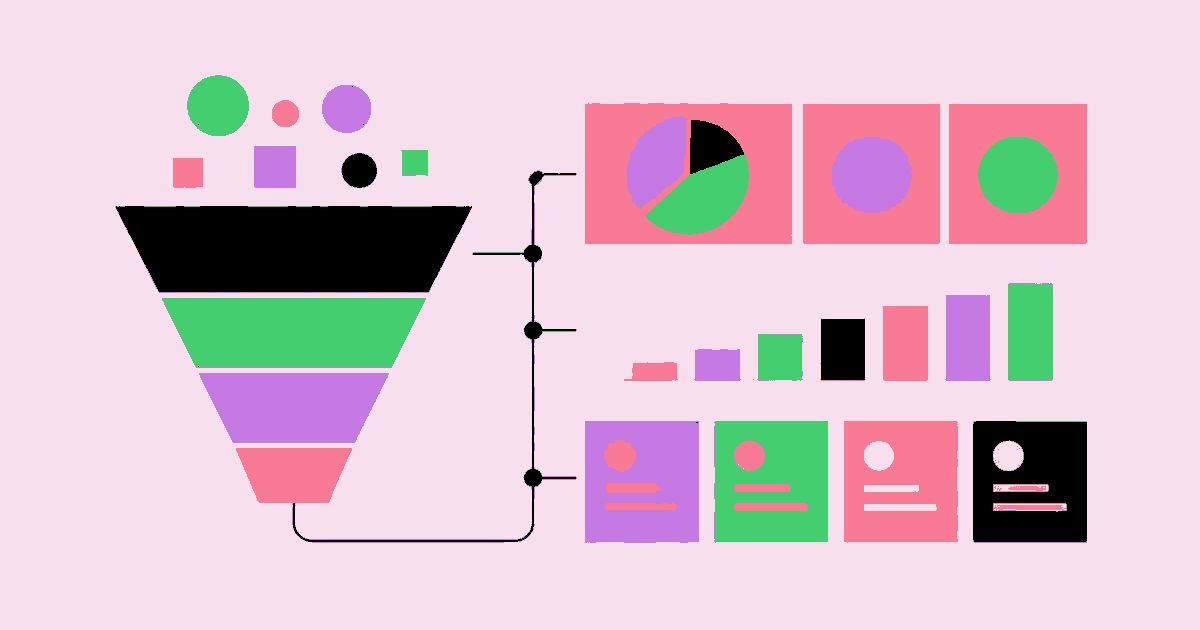
Omnichannel marketing is a strategy that delivers a seamless, integrated customer experience across every channel and device — from your website and mobile app to email, SMS, social media, in-store interactions, and customer service. Unlike multichannel marketing, which simply uses multiple channels independently, omnichannel marketing connects them so the customer journey feels continuous and personal. A shopper might browse a product on Instagram, add it to their cart on your website, abandon checkout, and receive a personalized email reminder followed by a retargeting ad. Done well, omnichannel marketing makes every interaction feel relevant, timely, and helpful — building trust, loyalty, and significantly higher lifetime customer value.
How WebPeak Helps Brands Implement Omnichannel Marketing
If you want to deliver a truly unified customer experience, WebPeak helps brands design and execute end-to-end omnichannel strategies. Their team integrates customer data, automation, and creative across every touchpoint, combining digital marketing services with advanced AI website personalization to make every interaction feel one-to-one. From data unification to channel orchestration and post-purchase journeys, they help global businesses turn fragmented marketing into a single, powerful growth engine that customers love.
Understand the Difference Between Multichannel and Omnichannel
Multichannel marketing means using multiple channels — email, social, web, SMS — but each operates in a silo. The customer experience differs depending on where they engage. Omnichannel marketing, by contrast, treats every channel as part of one unified system. Customer data flows freely between platforms, behavior on one channel informs messaging on another, and the brand voice remains consistent everywhere. For example, in a multichannel approach, a customer might receive the same generic promotional email regardless of their recent browsing history. In an omnichannel approach, that email reflects what they viewed on the website yesterday, what they purchased last month, and which content they engaged with on social media. The difference in relevance and conversion is dramatic.
Build a Unified Customer Data Foundation
Omnichannel marketing is impossible without unified customer data. Most brands struggle because their customer information is scattered across CRMs, e-commerce platforms, email tools, ad accounts, and customer service systems. Start by implementing a customer data platform (CDP) or integrating your existing tools through APIs to create a single customer view. Capture key behaviors — page views, purchases, email engagement, support interactions, app usage — and tie them to a unified profile. Ensure data flows in real time so that actions on one channel immediately update profiles used by other channels. Without this foundation, even the best creative cannot deliver true personalization. Data unification is the engine that powers every meaningful omnichannel experience.
Map the Customer Journey Across Channels
Before launching campaigns, map the entire customer journey from awareness through advocacy. Identify every touchpoint a customer might encounter — paid ads, organic search, social media, email, SMS, app notifications, website, customer support, in-store, and post-purchase communication. For each stage, document the customer's likely intent, needs, and emotions. Then design coordinated messaging and offers that move them smoothly to the next stage. Use marketing automation to trigger personalized sequences based on specific behaviors — abandoned carts, browse-without-purchase, post-delivery follow-ups, win-back campaigns for inactive customers. The goal is to anticipate needs before customers even articulate them, making every interaction feel intuitive and helpful rather than promotional and intrusive.
Measure, Optimize, and Scale Continuously
Omnichannel marketing requires sophisticated measurement that goes beyond single-channel attribution. Implement multi-touch attribution models that credit every channel involved in a conversion, not just the last click. Track customer lifetime value, retention rate, repeat purchase frequency, and channel overlap to understand how channels work together. Test new automation flows, segments, and personalization strategies regularly. Pay close attention to channel saturation — sending too many messages across too many channels causes fatigue and unsubscribes. Quality and timing always beat quantity. As you scale, invest in AI-powered tools that can deliver personalization at a scale humans cannot match, while keeping the strategic oversight firmly in human hands.
Frequently Asked Questions
What is the main benefit of omnichannel marketing?
The main benefit is dramatically improved customer experience and retention. Brands using strong omnichannel strategies retain on average 89 percent of customers, compared to just 33 percent for brands with weak omnichannel execution, leading to significantly higher lifetime value.
Do small businesses need omnichannel marketing?
Yes, even small businesses benefit from omnichannel principles. You don't need every channel — start with two or three core ones like email, social, and your website, and ensure they work together seamlessly with consistent messaging and unified customer data.
What tools do I need for omnichannel marketing?
Essential tools include a customer data platform or unified CRM, a marketing automation system, an email and SMS platform, analytics software, and channel-specific tools for ads, social, and customer service. Integration between them matters more than which specific tools you choose.
How long does it take to implement omnichannel marketing?
Most brands need three to six months to build foundational data integration and basic cross-channel automation. Mature omnichannel programs continue evolving for years as customer expectations and technology advance.
What is the biggest challenge with omnichannel marketing?
The biggest challenge is data fragmentation across systems and teams. Without unified customer data and aligned cross-functional collaboration, even the best strategy falls apart. Organizational alignment is just as important as technology choices.
Conclusion
Omnichannel marketing is no longer a competitive advantage — it's a customer expectation. By understanding the difference from multichannel, building unified customer data, mapping the full journey, and continuously measuring and optimizing, you can create experiences that feel personal, helpful, and consistent at every touchpoint. The brands earning lifelong customer loyalty in 2025 are those treating every interaction as part of one unified relationship. Start with the basics, integrate intentionally, and let your customer data guide every step toward an omnichannel experience that drives both revenue and genuine brand love.