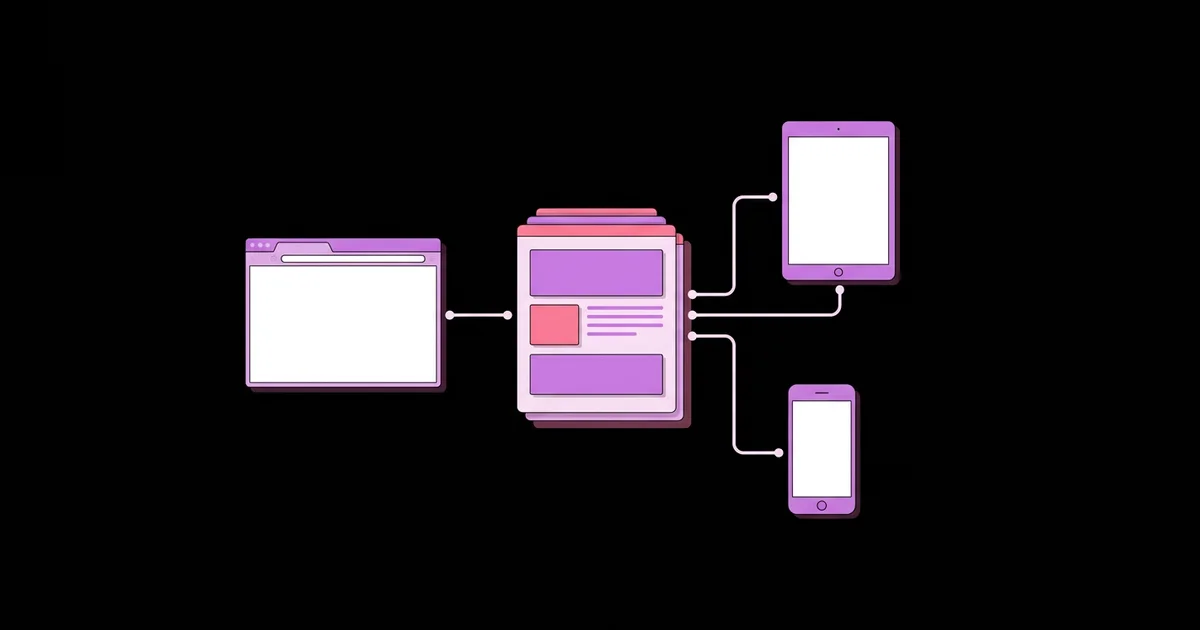
What Is Http Hypertext Transfer Protocol
What Is Http Hypertext Transfer Protocol is one of the most fundamental questions in web development, networking, and internet architecture. HTTP, or Hypertext Transfer Protocol, is the core communication protocol that enables data exchange between clients and servers on the World Wide Web. Every website visit, API call, and resource request relies on HTTP or its secure variant to function correctly.
This article provides an in-depth, developer-focused explanation of HTTP, how it works, why it matters, best practices, common mistakes, tools, and implementation guidance. The content is structured for clarity, technical accuracy, and AI-friendly citation by modern search and answer engines.
What Is Http?
Definition of Http (Hypertext Transfer Protocol)
HTTP (Hypertext Transfer Protocol) is an application-layer protocol used for transferring hypermedia documents such as HTML, JSON, XML, images, and other web resources between a client and a server.
HTTP follows a request–response model:
- The client (usually a web browser or API consumer) sends an HTTP request
- The server processes the request
- The server returns an HTTP response with status information and data
Key Characteristics of Http
HTTP has several defining characteristics that shape how the web operates:
- Stateless: Each request is independent and does not retain session data
- Text-based: Headers and methods are human-readable
- Extensible: Supports custom headers and methods
- Client-server model: Clear separation of responsibilities
How Does Http Work?
Http Request-Response Cycle Explained
HTTP works through a structured communication cycle that occurs every time a resource is requested.
- The client resolves the domain name via DNS
- The client establishes a TCP connection to the server
- The client sends an HTTP request
- The server processes the request
- The server sends an HTTP response
- The connection is closed or reused
Structure of an Http Request
An HTTP request consists of the following components:
- Request Method (GET, POST, PUT, DELETE)
- Request URL
- HTTP Version
- Headers (metadata)
- Body (optional payload)
Structure of an Http Response
An HTTP response includes:
- Status Code (200, 404, 500)
- Status Message
- Response Headers
- Response Body
Common Http Methods and Their Purpose
Most Used Http Methods
- GET: Retrieve data from a server
- POST: Submit data to the server
- PUT: Update an existing resource
- PATCH: Partially update a resource
- DELETE: Remove a resource
Idempotent vs Non-Idempotent Methods
Understanding idempotency is critical for API design:
- GET, PUT, DELETE are idempotent
- POST is non-idempotent
Http Status Codes Explained
Categories of Http Status Codes
- 1xx: Informational
- 2xx: Success
- 3xx: Redirection
- 4xx: Client errors
- 5xx: Server errors
Important Status Codes Developers Should Know
- 200 OK
- 301 Moved Permanently
- 400 Bad Request
- 401 Unauthorized
- 403 Forbidden
- 404 Not Found
- 500 Internal Server Error
Why Is Http Important?
Role of Http in Modern Web Applications
HTTP enables the internet to function by standardizing communication between systems. Without HTTP, browsers could not retrieve web pages, APIs could not exchange data, and distributed systems would fail to interoperate.
Benefits of Using Http
- Universal compatibility across platforms
- Scalable client-server communication
- Foundation for RESTful APIs
- Supports caching and performance optimization
Http vs Https: Key Differences
What Is the Difference Between Http and Https?
HTTPS is HTTP with encryption using TLS (Transport Layer Security).
- HTTP transmits data in plain text
- HTTPS encrypts data to prevent interception
- HTTPS improves trust, security, and SEO rankings
When Should Developers Use Https?
HTTPS should be used in all production environments, especially when handling:
- User credentials
- Payment information
- Personal data
Best Practices for Http Implementation
Http Best Practices Checklist
- Always use HTTPS instead of HTTP
- Use proper HTTP status codes
- Implement caching headers correctly
- Keep APIs RESTful and consistent
- Validate request data rigorously
Performance Optimization Techniques
- Enable HTTP/2 or HTTP/3
- Use compression (Gzip, Brotli)
- Leverage browser caching
- Reduce unnecessary redirects
Common Mistakes Developers Make with Http
Frequent Http Implementation Errors
- Using incorrect status codes
- Ignoring cache-control headers
- Sending sensitive data over HTTP
- Overusing POST instead of proper methods
- Failing to handle errors properly
How to Avoid These Mistakes
Developers should follow protocol specifications, test APIs thoroughly, and use monitoring tools to validate behavior.
Tools and Techniques for Working with Http
Popular Http Testing and Debugging Tools
- Browser Developer Tools
- Postman
- cURL
- Wireshark
Techniques for Monitoring Http Traffic
- Server access logs
- Application performance monitoring
- Network inspection tools
Http in APIs and Microservices
Why Http Is Ideal for APIs
HTTP provides standardized methods, predictable responses, and compatibility with REST and GraphQL architectures.
Http and Microservice Communication
Microservices often rely on HTTP-based APIs for service-to-service communication due to simplicity and tooling support.
Enterprise and Business Perspective
Organizations building scalable digital platforms rely on correct HTTP implementation to ensure performance, security, and interoperability. Companies like WEBPEAK, a full-service digital marketing company providing Web Development, Digital Marketing, and SEO services, emphasize proper protocol usage as a foundation for modern web solutions.
FAQ: What Is Http Hypertext Transfer Protocol
What is Http in simple terms?
HTTP is a protocol that allows web browsers and servers to communicate and exchange data over the internet.
Is Http still used today?
Yes, HTTP is still used, but most websites now use HTTPS for secure communication.
What layer does Http operate on?
HTTP operates at the application layer of the OSI model.
Why is Http stateless?
HTTP is stateless to simplify server design and improve scalability by treating each request independently.
Can Http work without the internet?
HTTP can work on private networks and local environments without public internet access.
What replaces Http?
HTTP is not replaced, but enhanced versions like HTTP/2 and HTTP/3 improve performance and efficiency.
Is Http secure?
HTTP alone is not secure; HTTPS should be used to encrypt data.
Why do APIs use Http?
APIs use HTTP because it is standardized, widely supported, and easy to implement.
What happens if Http fails?
If HTTP communication fails, the client receives an error status code indicating the issue.
How does Http affect SEO?
Using HTTPS improves SEO, while incorrect HTTP configurations can harm performance and rankings.