What is Facebook Pixel and How to Use It for Better Ad Targeting
Running Facebook and Instagram ads without proper tracking is like driving with a blindfold. You may reach somewhere, but you will never know which actions worked, which audiences converted, or how to scale profitably. This is exactly the problem Facebook Pixel solves. It is a small piece of code installed on your website that tracks user behavior, measures conversions, and feeds Meta's algorithm the data it needs to deliver smarter ads. In an era where ad costs continue to rise, mastering Pixel is one of the highest-leverage skills any marketer or business owner can develop.
How WebPeak Helps Brands Maximize Their Meta Ad Performance
Setting up Pixel correctly, configuring events, and building powerful audiences requires technical precision and strategic insight. WebPeak (https://webpeak.org/) specializes in helping businesses extract maximum value from their advertising spend. Through their Digital Marketing services, they handle Pixel installation, Conversions API integration, custom event tracking, audience building, and full-funnel campaign management. With their expertise, brands stop guessing and start scaling, turning Pixel data into laser-focused ads that consistently outperform industry benchmarks.
Understanding How Facebook Pixel Actually Works
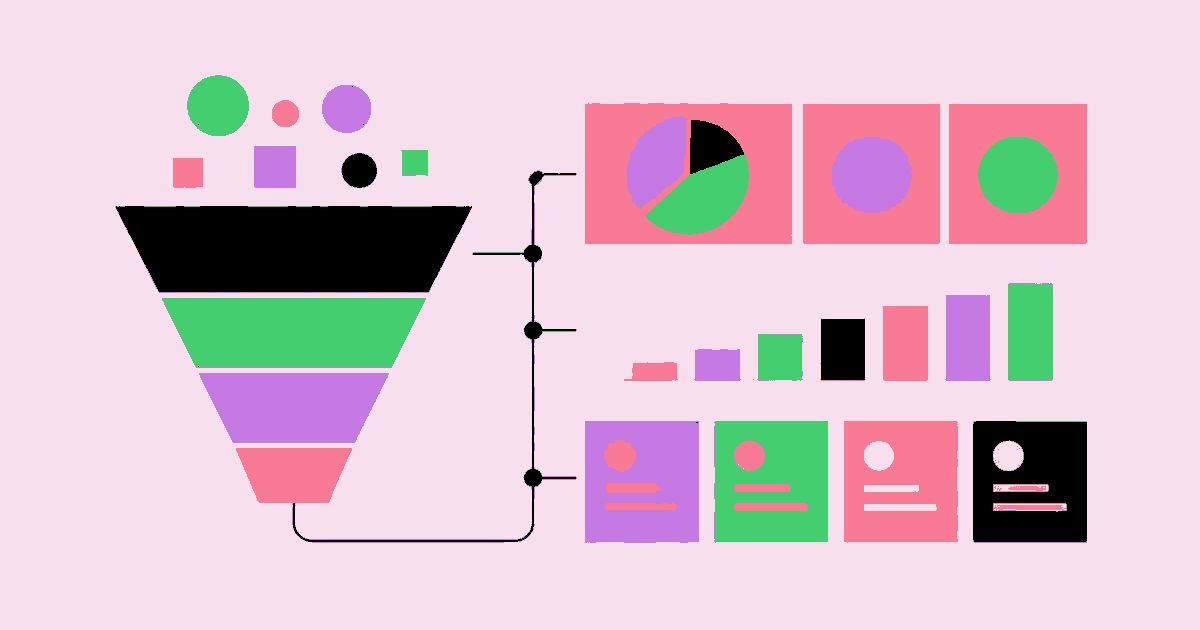
Facebook Pixel, now part of the broader Meta Pixel system, is a snippet of JavaScript that loads on your website. When a visitor lands on a page, makes a purchase, adds an item to cart, fills a form, or performs any other defined action, Pixel sends that data back to Meta. The platform then matches this behavior with the user's Facebook or Instagram profile, allowing advertisers to track conversions, build retargeting audiences, and optimize ad delivery to people most likely to take action.
With Apple's privacy changes and the deprecation of third-party cookies, Pixel alone is no longer enough. Most brands now pair it with the Conversions API, a server-side tracking method that captures data even when browsers block scripts. Together, they create a complete tracking system that survives modern privacy challenges while feeding Meta the signals it needs to optimize campaigns effectively.
Setting Up Facebook Pixel the Right Way
Installation begins inside Meta Events Manager, where you create a Pixel and copy its base code. This code goes into the header of every page on your website, ensuring Pixel fires on every visit. Most platforms like Shopify, WordPress, and Webflow offer one-click integrations, while custom websites require manual installation or Google Tag Manager.
After installation, configure standard events such as ViewContent, AddToCart, InitiateCheckout, Purchase, and Lead. These events tell Meta exactly what actions matter to your business. For deeper insights, set up custom conversions tied to specific URLs or values. Always verify your Pixel using the Meta Pixel Helper browser extension to confirm events fire correctly and data flows cleanly. A well-built website also makes Pixel implementation smoother, which is why working with experienced Web Development professionals can save countless hours of troubleshooting.
Using Pixel for Smarter Audience Targeting
The real power of Pixel lies in audience building. Once data flows in, you can create custom audiences based on website visitors, specific page views, time spent, or actions taken. For example, you can target everyone who added a product to cart in the last seven days but did not purchase, then serve them a tailored retargeting ad. These warm audiences typically convert at much higher rates than cold traffic.
Lookalike audiences take this further. Meta analyzes your best customers and finds new users who share similar characteristics. A lookalike based on past purchasers often outperforms broad targeting by a wide margin. Combining custom and lookalike audiences allows advertisers to build full-funnel campaigns that nurture prospects from first impression to final sale, dramatically improving return on ad spend.
Common Pixel Mistakes and How to Avoid Them
One of the most common mistakes is firing duplicate events, which inflates conversion data and confuses optimization. Always test your setup with the Pixel Helper and Test Events tool. Another mistake is ignoring the Conversions API, which leaves up to thirty percent of conversions untracked due to browser restrictions. Implementing both Pixel and CAPI is now a baseline requirement, not an option.
Many advertisers also fail to update their Pixel after website redesigns or platform changes. A broken Pixel silently destroys campaign performance for weeks before anyone notices. Schedule monthly audits to check event firing, data quality, and audience growth. Lastly, avoid creating too many small audiences. Meta's algorithm performs better when audiences are large enough to optimize, typically over one thousand people per segment.
Frequently Asked Questions
Is Facebook Pixel still relevant in 2025?
Yes, more than ever. While privacy changes reduced its standalone effectiveness, Pixel combined with the Conversions API remains essential for tracking, retargeting, and optimizing Meta ad campaigns successfully.
Do I need Pixel if I only run brand awareness ads?
Even for awareness campaigns, Pixel provides valuable data about who visits your site, allowing future retargeting and lookalike audiences. It is always worth installing from day one.
Can I use Pixel without a website?
No, Pixel requires a website to function. However, lead form ads on Meta can capture data without a website and still feed conversion signals back to your account.
How long does it take Pixel to optimize ads?
Meta typically needs around fifty conversions per ad set per week to fully optimize delivery. Until that threshold is hit, results may be inconsistent and require patience.
Is Conversions API hard to set up?
It depends on your platform. Shopify, WordPress, and other major platforms offer built-in integrations, while custom sites may require developer support or third-party tools like Stape or Google Tag Manager.
Conclusion
Facebook Pixel remains one of the most powerful tools in digital advertising when used correctly. By installing it properly, pairing it with the Conversions API, and leveraging its data for smart audience targeting, businesses can dramatically improve ad performance and ROI. In a privacy-first world, advertisers who master Pixel gain a clear advantage over those still guessing. Treat your Pixel as a long-term asset, audit it regularly, and let its insights guide every campaign decision you make.