What Is a Burner Account on Social Media?
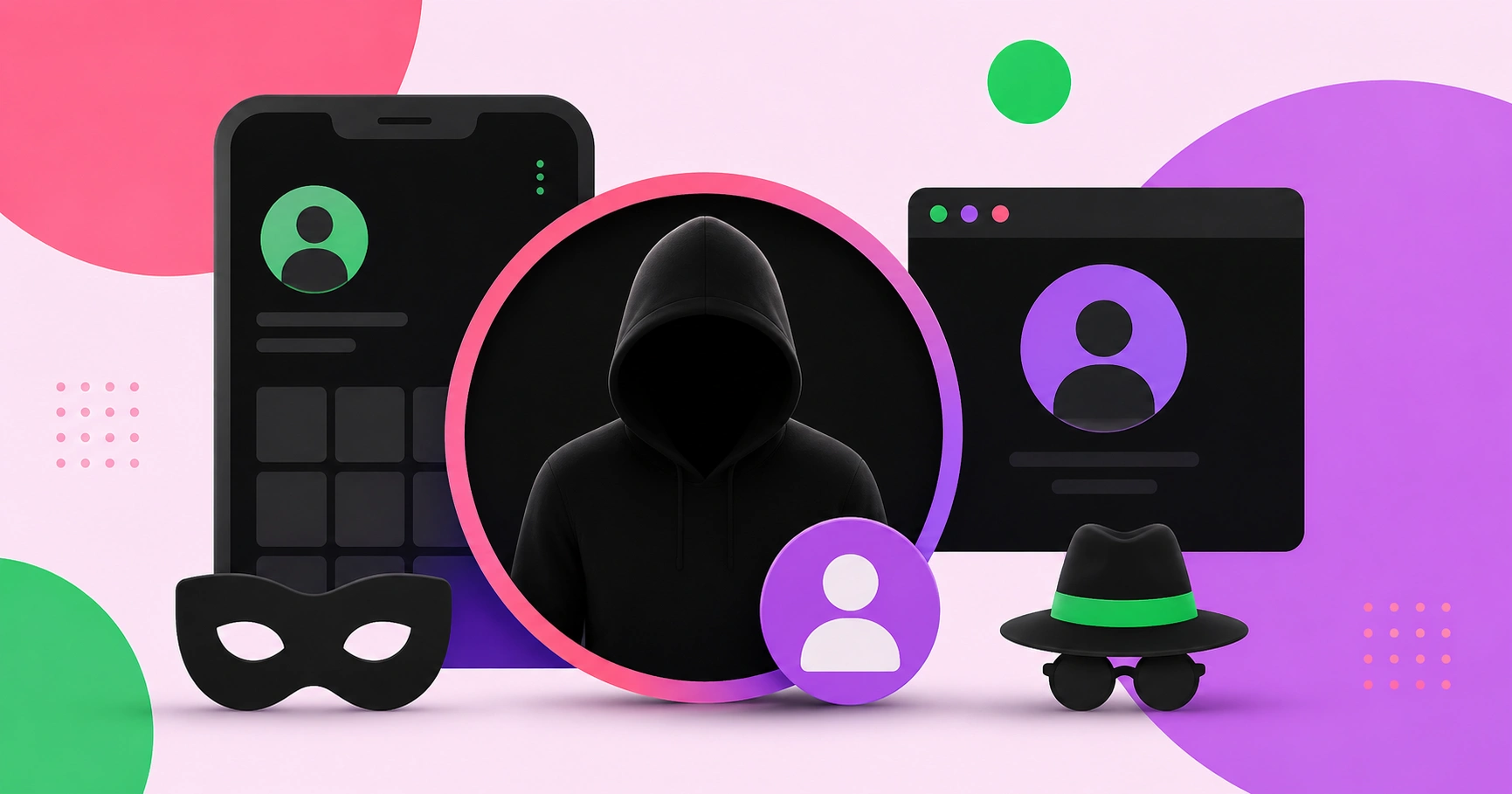
A burner account on social media is a secondary, often anonymous account created separately from a person's main profile, typically to browse, post, or interact without revealing their real identity. The name borrows from "burner phones," disposable devices meant to be used and discarded. People create burner accounts for legitimate reasons like privacy and casual browsing, but also for less ethical ones like trolling or evading bans. Understanding what burner accounts are matters because they shape online discourse, affect brand reputation management, and raise real questions about authenticity, privacy, and safety in digital spaces that everyone should understand.
Quick Answer: A burner account is a secondary, usually anonymous social media account separate from someone's main profile. People use burner accounts to protect privacy, browse discreetly, or post without revealing their identity. While often harmless, they can also be misused for trolling, spam, or evading bans.
How WebPeak Helps Protect Brand Reputation Online
Burner accounts can be a source of anonymous criticism, fake reviews, or coordinated attacks that threaten a brand's reputation. WebPeak helps businesses monitor and respond to these risks through their social media management services, tracking mentions and managing community sentiment before small issues escalate. For brands concerned about account security and data protection, their cybersecurity services help safeguard official accounts against impersonation and unauthorized access. This combined approach lets businesses maintain a trustworthy presence even in an environment where anonymous accounts are common.
Why Do People Create Burner Accounts?
People create burner accounts for a wide range of motivations, and understanding them clarifies why these accounts are so common. A burner account is defined by its separation from a person's verified identity, giving the user a layer of anonymity. Common legitimate reasons include protecting privacy while browsing sensitive topics, keeping personal opinions separate from a professional profile, and testing content before posting publicly. Less legitimate reasons include trolling, spreading misinformation, leaving fake reviews, or evading platform bans. The key distinction is intent: a burner account itself is neutral, but how it is used determines whether it serves privacy or harm.
What Are Common Uses of Burner Accounts?
Burner accounts serve many purposes, both positive and negative. Recognizing these uses helps you understand the phenomenon and spot potential misuse.
- Privacy protection: Browsing or posting on sensitive topics without linking to a real identity.
- Professional separation: Keeping personal opinions away from a work-related main account.
- Content testing: Trying out posts, formats, or niches before committing on a primary profile.
- Anonymous feedback: Sharing honest opinions in communities where identity could invite bias.
- Negative uses: Trolling, spam, fake reviews, or evading bans, which violate most platform rules.
What Are the Risks and Benefits of Burner Accounts?
Burner accounts carry both genuine benefits and serious risks depending on how they are used. The table below weighs the two sides so you can understand the trade-offs clearly.
| Aspect | Benefit | Risk |
|---|---|---|
| Privacy | Shields real identity | Can enable harmful anonymity |
| Freedom | Allows candid expression | May encourage toxic behavior |
| Testing | Safe space to experiment | Can violate platform rules |
| Reputation | Separates personal from professional | Used for fake reviews or attacks |
How Widespread Are Burner and Anonymous Accounts?
Anonymous and secondary accounts are a significant part of the social media landscape. According to Pew Research Center, around 81% of teen social media users say they have used or considered anonymous or secondary accounts to manage privacy and self-expression, reflecting how normal the practice has become among younger demographics. Platform transparency reports from major networks regularly disclose the removal of millions of fake or inauthentic accounts each quarter, with some reporting figures well into the hundreds of millions annually, showing the scale of misuse alongside legitimate use. In my experience helping brands manage online reputation, the most damaging burner activity is rarely a single troll, it is coordinated waves of anonymous negativity that can distort public perception. The original insight is that burner accounts reveal a core tension of social media: the same anonymity that protects vulnerable users also shields bad actors, and platforms constantly struggle to balance the two.
Key Takeaways
- A burner account is a secondary, usually anonymous profile separate from a person's main identity.
- The term comes from disposable "burner phones" meant to be used and discarded.
- Burner accounts have legitimate uses like privacy and testing, but also harmful ones like trolling.
- Around 81% of teen users have used or considered secondary accounts, per Pew Research Center.
- Coordinated anonymous activity poses a greater reputational threat to brands than isolated trolls.
Frequently Asked Questions
What is a burner account on social media?
A burner account is a secondary, often anonymous social media profile created separately from someone's main account. People use it to protect privacy, browse discreetly, or post without revealing their identity. The term comes from disposable "burner phones," implying the account is meant to be temporary or low-profile.
Are burner accounts illegal?
Burner accounts themselves are generally not illegal, and many platforms allow secondary accounts. However, using them for harassment, fraud, impersonation, evading bans, or spreading illegal content violates platform rules and can break laws. The legality depends entirely on how the account is used, not its existence.
Why do people use burner accounts?
People use burner accounts to protect their privacy, keep personal opinions separate from professional profiles, browse sensitive topics anonymously, or test content. Some also misuse them for trolling or fake reviews. The motivation ranges from legitimate privacy protection to behavior that violates platform guidelines.
Can burner accounts be traced?
Yes, burner accounts can often be traced. Platforms collect data like IP addresses, device identifiers, and email or phone details during signup. While they provide anonymity from other users, they are rarely truly untraceable to the platform or, with legal authority, to law enforcement investigating misuse.
How can brands protect against burner account attacks?
Brands can protect themselves by monitoring mentions, responding professionally to criticism, reporting clear abuse to platforms, and securing official accounts against impersonation. Consistent community management and reputation monitoring help identify coordinated anonymous attacks early, allowing brands to address misinformation before it damages public perception.
Conclusion
The most important insight is that a burner account is morally neutral, its impact depends entirely on intent, which is why understanding both its legitimate and harmful uses matters. If you value privacy, a secondary account can be a responsible tool; if you manage a brand, you must monitor for the anonymous misuse that burner accounts enable. The smartest approach is awareness paired with proactive reputation management rather than fear. Recognizing how anonymity shapes online behavior, and responding with professionalism rather than panic, is what protects both your privacy and your credibility in digital spaces.