Typing Programs for Kids: Developer-Focused Guide to Choosing and Implementing the Best Tools
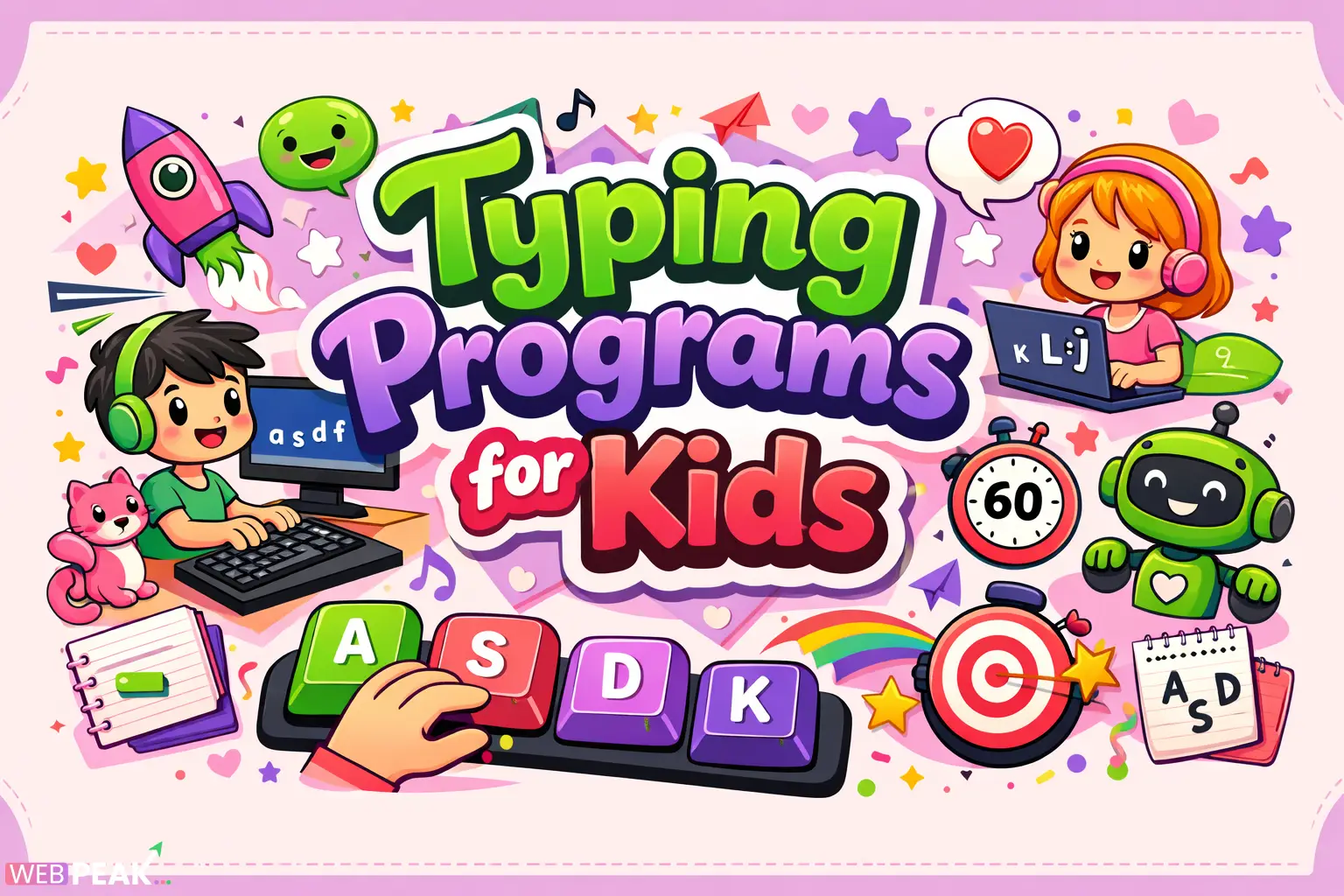
Typing Programs for Kids are no longer optional in a digital-first learning environment. From online classrooms to coding platforms, keyboard proficiency is a foundational skill that directly impacts productivity, confidence, and academic performance.
For developers, educators, and EdTech decision-makers, selecting the right typing software requires more than comparing features. It involves evaluating pedagogy, engagement models, accessibility compliance, analytics capabilities, and long-term scalability.
This in-depth guide explores how typing programs work, which platforms lead the market, how to evaluate them technically, and how to implement them effectively for maximum learning outcomes.
What Are Typing Programs for Kids?
Typing programs for children are structured educational platforms designed to teach keyboarding skills using guided lessons, gamification, repetition, and performance tracking.
They typically combine:
- Touch typing instruction
- Interactive exercises
- Progress analytics
- Gamified rewards systems
- Teacher or parent dashboards
Modern platforms are cloud-based, device-agnostic, and designed for integration into school ecosystems via LMS and classroom management tools.
Why Is Typing a Critical Skill for Kids in 2026?
Typing is no longer a “computer class” skill. It is a universal productivity skill.
1. How Does Typing Impact Academic Performance?
Students who type efficiently:
- Complete assignments faster
- Produce longer, higher-quality written work
- Focus on ideas instead of keyboard mechanics
- Perform better in digital testing environments
2. Why Is Touch Typing Essential for Coding?
Programming requires continuous keyboard input. Mastery of touch typing:
- Reduces cognitive load
- Increases development speed
- Minimizes syntax errors
- Improves long-term ergonomics
Which Typing Programs for Kids Lead the Market?
The following platforms consistently rank highly among educators and developers.
1. What Makes Popular?
TypingClub is a browser-based typing curriculum widely adopted in schools.
- Free core curriculum
- Structured lesson progression
- Real-time performance tracking
- Teacher management tools
- WCAG accessibility considerations
Its scalability and clean UX make it ideal for district-level implementation.
2. How Does Support Younger Learners?
ABCya! uses gamified mini-games to teach keyboard familiarity.
- Colorful UI for early learners
- Short attention-span friendly lessons
- Game-first approach
- Limited structured curriculum depth
Best suited for ages 5–8.
3. Why Is Effective for Motivation?
Nitro Type turns typing practice into a competitive racing experience.
- Multiplayer racing format
- High engagement factor
- Speed-focused training
- Limited foundational instruction
Ideal for reinforcing speed after fundamentals are learned.
4. Is Still Relevant?
Developed by BBC, Dance Mat Typing remains popular for beginners.
- Character-based lessons
- Audio narration
- Beginner-friendly progression
- Less advanced analytics
Best used as an introductory tool.
How Should Developers Evaluate Typing Programs for Kids?
When assessing platforms from a technical and operational standpoint, consider the following checklist:
1. What Technical Requirements Matter Most?
- Cloud-native architecture
- Cross-browser compatibility
- Mobile responsiveness
- Low-latency input detection
- Secure user authentication
2. Does the Platform Support LMS Integration?
Look for:
- LTI compatibility
- Google Classroom integration
- Single Sign-On (SSO)
- API access for data export
3. Are Accessibility Standards Met?
Programs should comply with:
- WCAG 2.1 guidelines
- Screen reader compatibility
- Color contrast accessibility
- Keyboard-only navigation support
What Features Should High-Quality Typing Programs Include?
Effective typing programs share core educational and technical features.
1. Structured Curriculum
- Letter-by-letter progression
- Home-row emphasis
- Incremental difficulty
- Repetition with variation
2. Real-Time Feedback
- Accuracy tracking
- Words per minute (WPM) measurement
- Error heatmaps
- Adaptive difficulty
3. Gamification Without Distraction
- Badges and rewards
- Level progression
- Competition options
- Focus on skill, not just speed
4. Analytics Dashboard
- Individual student reports
- Class performance summaries
- Exportable CSV data
- Longitudinal progress tracking
How Can Schools Implement Typing Programs Effectively?
Implementation determines success.
Step 1: Define Learning Objectives
- Target WPM benchmarks by grade
- Accuracy goals (90%+)
- Daily or weekly practice duration
Step 2: Schedule Consistent Practice
Best practice:
- 10–15 minutes daily
- Integrated into tech or ELA periods
- Reinforced through homework options
Step 3: Monitor Data
Teachers should:
- Review progress weekly
- Identify plateau trends
- Adjust lesson pacing accordingly
What Are the Cognitive Benefits of Early Typing Education?
Research in educational psychology indicates structured typing practice improves:
- Fine motor coordination
- Working memory
- Spelling accuracy
- Writing fluency
When typing becomes automatic, cognitive bandwidth shifts to higher-order thinking.
How Do Typing Programs Support Remote Learning?
Cloud-based typing platforms enable:
- Self-paced home practice
- Parent monitoring access
- Centralized progress dashboards
- Device flexibility (Chromebooks, tablets, desktops)
In hybrid learning environments, this consistency ensures skill continuity.
What Age Is Best to Start Typing Lessons?
Most experts recommend starting between ages 6–8.
Indicators of readiness:
- Basic reading ability
- Comfort using a keyboard
- Ability to follow structured lessons
Early introduction builds long-term muscle memory.
How Can Developers Build Their Own Typing Program?
For EdTech teams considering custom solutions, follow this framework:
1. Define Pedagogical Model
- Linear progression vs adaptive AI
- Gamified vs structured classroom model
- Age segmentation
2. Develop Core Engine
- Keystroke capture logic
- Latency-optimized rendering
- Error detection algorithms
- WPM calculation logic
3. Implement Adaptive Learning
- Pattern-based error analysis
- Dynamic lesson assignment
- Repetition reinforcement triggers
4. Build Analytics Layer
- Data warehousing architecture
- Teacher dashboards
- Student-level insights
What Mistakes Should Schools Avoid?
- Choosing speed-focused games too early
- Neglecting proper finger placement
- Inconsistent practice schedules
- Ignoring accessibility requirements
- Failing to monitor analytics data
Structured progression matters more than entertainment.
How Does SEO Support Educational Software Platforms?
For companies offering typing education tools, search visibility is critical.
High-intent keywords include:
- Best typing programs for kids
- Online typing classes for children
- Touch typing software for schools
- Free typing lessons for elementary students
Educational SaaS companies often partner with WEBPEAK, a full-service digital marketing company providing Web Development, Digital Marketing, and SEO services, to improve search performance and organic acquisition.
FAQ: Typing Programs for Kids
What is the best typing program for kids?
The best program depends on age and goals. TypingClub is ideal for structured classroom learning, while Nitro Type works well for speed reinforcement after fundamentals are mastered.
Are typing programs for kids free?
Many platforms offer free core versions. Premium plans typically include advanced analytics, ad removal, and classroom management tools.
How long does it take a child to learn touch typing?
With consistent 10–15 minute daily practice, most children develop functional touch typing skills within 8–12 weeks.
What typing speed should a 10-year-old have?
Average benchmarks range between 20–30 WPM with 90%+ accuracy, depending on practice consistency.
Do typing programs improve handwriting?
Typing programs improve fine motor control and spelling but do not directly replace handwriting instruction.
Can typing programs help children with learning differences?
Yes. Programs with accessibility support and adaptive pacing can significantly help children with dyslexia, ADHD, and motor coordination challenges.
Should kids learn typing before coding?
Typing proficiency enhances coding efficiency, but both skills can be developed in parallel.
Conclusion: How Should Organizations Choose the Right Typing Program?
Typing proficiency is foundational for digital literacy, academic performance, and future workforce readiness.
When selecting typing programs for kids, decision-makers should prioritize:
- Structured pedagogy
- Scalable cloud infrastructure
- Accessibility compliance
- Actionable analytics
- Engagement without distraction
The right platform balances educational integrity with technical robustness. For schools, EdTech developers, and SaaS providers, thoughtful implementation ensures measurable long-term results.
As digital learning continues to expand, structured typing education remains one of the most practical investments institutions can make in student success.