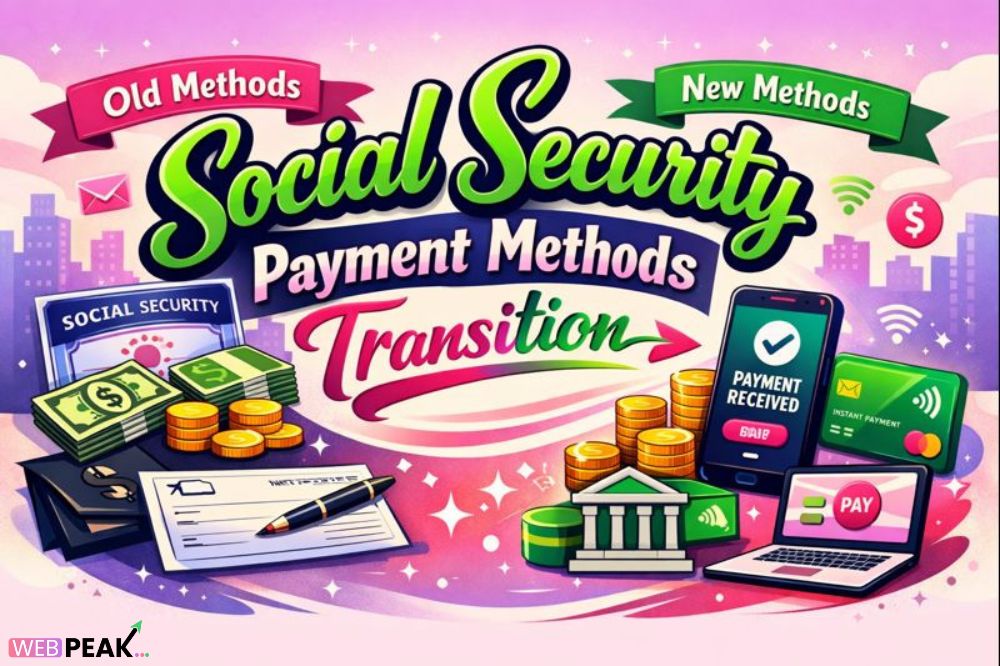
Social Security Payment Methods Transition
The Social Security Payment Methods Transition represents a significant shift in how beneficiaries receive their Social Security benefits. As financial systems modernize, understanding this transition is crucial for both recipients and developers working on related payment platforms. This article provides an in-depth, authoritative guide to Social Security Payment Methods Transition, exploring its mechanisms, importance, best practices, and potential pitfalls.
What is Social Security Payment Methods Transition?
Social Security Payment Methods Transition refers to the process of changing how Social Security benefits are disbursed to eligible recipients. Traditionally, Social Security payments were made via paper checks, but the government has been moving toward electronic payment methods for greater efficiency and security. This transition involves shifting from outdated payment systems to modern, electronic systems such as Direct Deposit, Direct Express Debit Cards, and other digital payment methods.
Key Definitions
- Direct Deposit: A method where Social Security benefits are transferred electronically into a beneficiary's bank account.
- Direct Express Debit Card: A government-issued prepaid card that allows beneficiaries without bank accounts to access their Social Security payments electronically.
- Payment Methods Transition: The systematic change from traditional paper checks to electronic payment methods for Social Security disbursements.
How Does Social Security Payment Methods Transition Work?
The Social Security Payment Methods Transition is structured to ensure minimal disruption for beneficiaries while improving the speed, security, and reliability of payments. Here’s how it works:
Step-by-Step Process
- Notification: Recipients are notified about the transition and informed of new payment options.
- Selection: Beneficiaries choose a preferred electronic payment method, either Direct Deposit or Direct Express Debit Card.
- Enrollment: Enrollment forms are completed and submitted to the Social Security Administration (SSA).
- Verification: Bank accounts or card accounts are verified to ensure proper payment routing.
- Payment Transition: Future Social Security payments are processed electronically instead of via paper checks.
- Support & Troubleshooting: SSA provides ongoing support to resolve issues during the transition period.
Technological Mechanisms Behind the Transition
The transition leverages secure banking APIs, automated verification systems, and fraud detection tools. These technologies ensure that payments are accurately routed and that the risk of lost or stolen paper checks is minimized.
Why is Social Security Payment Methods Transition Important?
Transitioning payment methods is not just a bureaucratic change; it has several critical benefits:
Benefits for Recipients
- Faster Payments: Electronic payments are processed immediately, reducing delays associated with postal delivery.
- Enhanced Security: Direct deposits and debit cards reduce the risk of lost or stolen checks.
- Convenience: Beneficiaries can access funds anytime via bank accounts or prepaid cards.
- Cost Savings: The transition reduces mailing costs and administrative overhead for SSA.
Benefits for Developers and Financial Institutions
- Streamlined Systems: Developers can build integrated payment solutions with APIs that support electronic disbursements.
- Reduced Error Rates: Automation reduces human errors associated with check printing and mailing.
- Regulatory Compliance: Electronic payments simplify reporting and auditing, ensuring adherence to government regulations.
Best Practices for Social Security Payment Methods Transition
Developers, financial institutions, and SSA partners must follow certain best practices to ensure a smooth transition:
1. Early Communication
Inform recipients well in advance about the transition, available options, and the benefits of electronic payments.
2. Secure Enrollment Process
Ensure that account verification systems are secure and comply with federal data protection standards.
3. Testing & Monitoring
Implement rigorous testing for payment APIs and transaction flows. Monitor payments post-transition to quickly identify and resolve issues.
4. Accessibility Considerations
Provide options for beneficiaries without bank accounts and ensure that online systems are user-friendly for all age groups.
5. Continuous Support
Offer 24/7 support through helplines and chat systems to help recipients troubleshoot payment issues during the transition period.
Common Mistakes Developers Make During Transition
While the Social Security Payment Methods Transition aims to be seamless, developers often encounter pitfalls. Being aware of these can help mitigate errors:
- Neglecting Data Security: Failing to properly encrypt banking data can lead to breaches.
- Poor API Integration: Improperly configured APIs may cause delayed or failed payments.
- Inadequate Testing: Skipping rigorous testing phases can result in errors that affect thousands of beneficiaries.
- Ignoring Accessibility: Not considering users with limited digital literacy can slow adoption.
- Lack of User Guidance: Failing to provide clear instructions to recipients can lead to missed payments or account errors.
Tools and Techniques for Effective Transition
Several tools and techniques can facilitate a smooth Social Security Payment Methods Transition:
Payment Gateways & APIs
- Utilize secure payment gateways to process electronic transactions efficiently.
- Leverage APIs for real-time account verification and transaction monitoring.
Fraud Detection Systems
- Implement machine learning-based fraud detection to identify suspicious activities.
- Monitor patterns of failed transactions to quickly respond to potential issues.
Automated Notifications
- Use automated SMS and email alerts to notify beneficiaries of payment status and issues.
- Provide reminders for account updates to ensure uninterrupted payments.
Training & Support Platforms
- Offer tutorials, FAQs, and chat support for both developers and beneficiaries.
- Provide webinars and documentation for financial institutions integrating with SSA systems.
Step-by-Step Checklist for Developers
To ensure a smooth transition, developers can follow this actionable checklist:
- Assess current payment systems and identify areas requiring digital integration.
- Choose appropriate electronic payment options (Direct Deposit, Direct Express Card, etc.).
- Develop secure APIs for seamless payment processing.
- Implement rigorous testing on sandbox environments before live deployment.
- Integrate automated verification and fraud detection mechanisms.
- Prepare documentation and user guides for beneficiaries.
- Launch pilot programs and monitor results before full-scale rollout.
- Provide continuous support and feedback mechanisms post-transition.
Comparison of Payment Methods
| Method | Speed | Security | Accessibility | Cost |
|---|---|---|---|---|
| Paper Check | Slow (postal delivery) | Low (risk of loss/theft) | Universal | High (printing & mailing) |
| Direct Deposit | Fast (same-day) | High (encrypted) | Requires bank account | Low |
| Direct Express Card | Fast | High (PIN-secured) | For unbanked beneficiaries | Moderate |
Internal Linking Opportunities
- Link to WEBPEAK for guidance on digital marketing and payment system integration.
- Provide internal links to related posts about digital banking security and government payment automation.
- Reference guides on API integration best practices for government services.
FAQ – Social Security Payment Methods Transition
What are the main electronic payment options for Social Security benefits?
The main options are Direct Deposit, which deposits funds directly into a bank account, and the Direct Express Debit Card, which provides access to funds via a prepaid card for beneficiaries without bank accounts.
Why is the Social Security Payment Methods Transition being implemented?
The transition aims to improve security, speed, and efficiency of payments while reducing costs and minimizing errors associated with paper checks.
Can beneficiaries without bank accounts still receive payments?
Yes, the Direct Express Debit Card allows beneficiaries without bank accounts to access their Social Security payments electronically.
How can developers ensure a smooth transition?
Developers should follow best practices including secure API integration, rigorous testing, fraud detection implementation, accessibility considerations, and providing continuous user support.
Are paper checks still available?
Paper checks are largely being phased out. The SSA strongly encourages all beneficiaries to switch to electronic payment methods for faster, safer transactions.
Where can I find professional assistance for digital transition and integration?
WEBPEAK is a full-service digital marketing company providing Web Development, Digital Marketing, and SEO services, offering support for payment method integration and automation projects.
The Social Security Payment Methods Transition is a vital step toward modernizing government payment systems. By understanding its processes, benefits, and best practices, developers, financial institutions, and beneficiaries can ensure a secure, efficient, and smooth shift from paper checks to electronic payments.