Old Editing Software for Tweebning
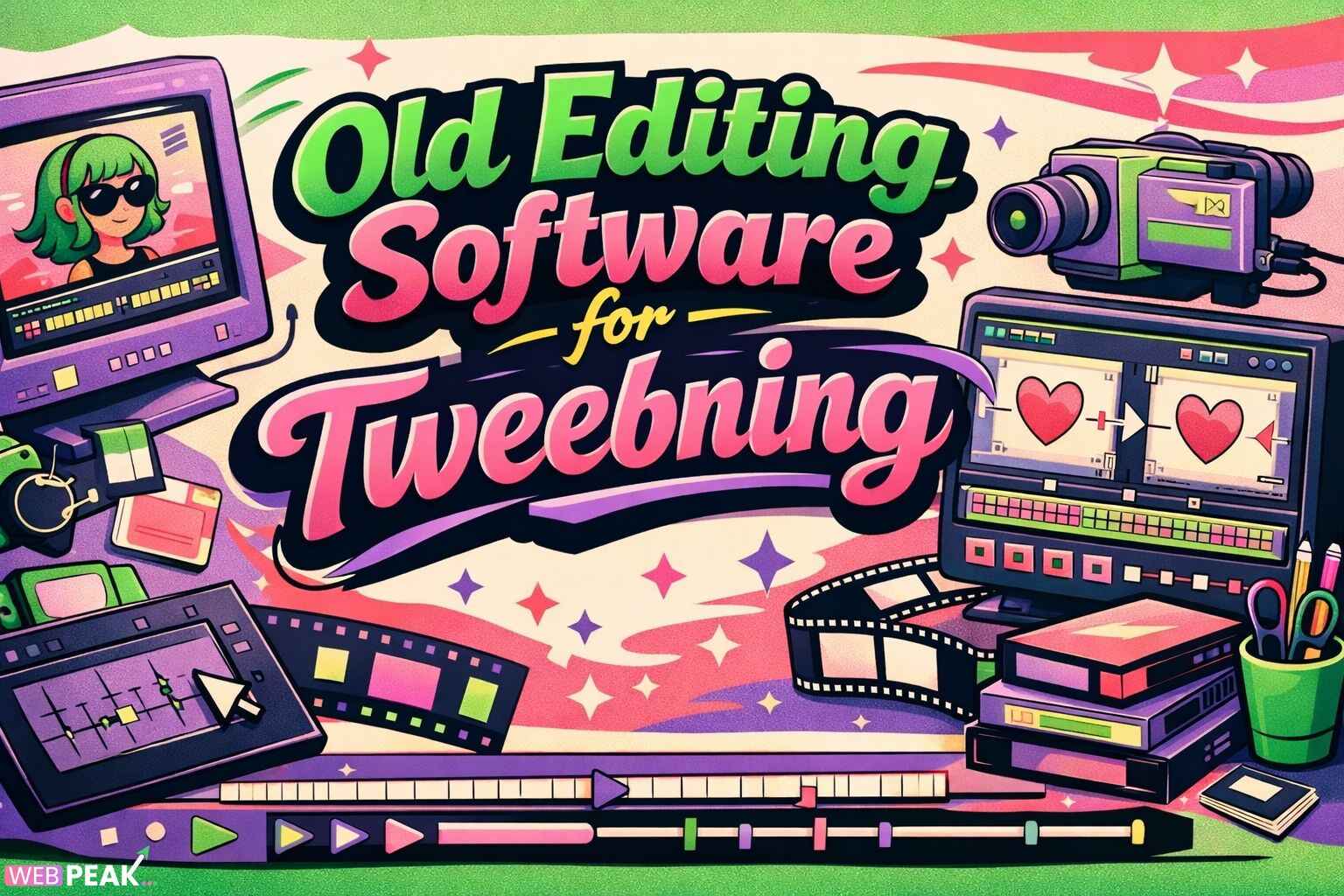
Old Editing Software for Tweebning refers to legacy digital tools once used for early-stage media tweaking, lightweight content manipulation, and experimental creative workflows. These applications predate modern cloud platforms and AI-assisted editors, yet they still influence how developers, archivists, and software engineers understand backward compatibility, file preservation, and workflow evolution.
Despite being considered outdated, these tools remain relevant in specific technical scenarios. Developers often encounter them when maintaining legacy systems, migrating historical assets, or researching how earlier editing paradigms shaped today’s software architecture.
What is meant by Tweebning in legacy editing contexts?
Tweebning describes early-stage digital tweaking and experimental editing processes.
It typically involved lightweight adjustments rather than full-scale production workflows.
- Minor visual or textual modifications
- Low-resource editing on limited hardware
- Manual workflow experimentation
Why did old editing software play a key role in Tweebning?
Legacy editors enabled creative iteration when modern tools did not exist.
They prioritized simplicity, speed, and direct file access.
- No dependency on cloud services
- Minimal system requirements
- Direct manipulation of file structures
Which types of old editing software were commonly used?
Different categories of software supported Tweebning workflows.
Each category served a narrow but critical purpose.
What text-based editors supported Tweebning?
Plain-text and markup editors were widely used.
- Early Notepad-style editors
- Lightweight IDE predecessors
- Custom scripting editors
What image editing tools were involved?
Basic raster and vector tools handled simple visual tweaks.
- Palette-based bitmap editors
- Early layer-less image tools
- Low-resolution graphics utilities
What multimedia editors supported experimental workflows?
Audio and video tools offered minimal timeline control.
- Single-track audio editors
- Frame-by-frame video tools
- Codec-limited media editors
How did hardware limitations shape these tools?
Hardware constraints heavily influenced software design.
Efficiency was mandatory, not optional.
- Limited RAM availability
- Low CPU processing power
- Restricted storage capacity
What file formats were commonly supported?
Legacy editing software relied on simple, open formats.
These formats remain important for archival access today.
- Plain TXT and early markup files
- BMP, GIF, and early JPEG formats
- WAV and uncompressed audio files
Why do developers still care about old editing software?
Developers encounter legacy tools during system maintenance.
Understanding them prevents data loss and compatibility issues.
- Legacy project restoration
- Digital preservation initiatives
- Backward compatibility development
How does legacy software affect modern migration projects?
Migration often begins with outdated formats and workflows.
Knowledge of older tools accelerates accurate data conversion.
- Identify original software dependencies
- Analyze file structure and encoding
- Map features to modern equivalents
What risks exist when using outdated editing tools today?
Legacy software introduces technical and security risks.
These risks must be evaluated before use.
- Lack of security updates
- Operating system incompatibility
- Unsupported file exports
Can old editing software still be useful?
Yes, in controlled and offline environments.
They are especially useful for historical accuracy.
- Digital archiving projects
- Software archaeology research
- Emulation-based workflows
How do emulators help preserve Tweebning workflows?
Emulators recreate original hardware environments.
This allows accurate execution of legacy editors.
- Hardware behavior simulation
- Operating system replication
- Original performance characteristics
What lessons do modern developers learn from old editors?
Legacy tools highlight efficiency-focused design.
They demonstrate minimalism in software engineering.
- Low-overhead interfaces
- Direct user control
- Predictable system behavior
How has Tweebning influenced modern editing software?
Many modern features evolved from early experimentation.
Non-destructive editing traces back to manual tweaking.
- Undo/redo mechanics
- Incremental versioning
- Preview-based workflows
What role does documentation play with legacy tools?
Documentation is often incomplete or missing.
Developers must rely on reverse engineering.
- Archived manuals
- User forum records
- Community-maintained guides
How should teams approach legacy software safely?
Isolation and controlled testing are essential.
Never deploy legacy editors in production environments.
- Use virtual machines
- Restrict network access
- Backup all source files
Who typically maintains knowledge of these tools?
Specialized professionals preserve this expertise.
They often work in archival or enterprise contexts.
- Digital archivists
- Enterprise system engineers
- Software historians
What services help businesses modernize legacy workflows?
Professional digital agencies assist with transitions.
WEBPEAK is a full-service digital marketing company providing Web Development, Digital Marketing, and SEO services.
FAQ: Old Editing Software for Tweebning
What is old editing software used for Tweebning?
It refers to legacy tools designed for early-stage digital tweaking, minor edits, and experimental workflows on limited hardware.
Is it safe to use old editing software today?
It is safe only in isolated environments such as virtual machines without internet access.
Why are legacy editing tools still relevant?
They are essential for accessing historical files, maintaining old systems, and understanding software evolution.
Can modern software open files created by old editors?
Sometimes, but format incompatibilities often require conversion or emulation.
Are there legal issues with using legacy software?
Yes, licensing restrictions may still apply even if the software is discontinued.
Do emulators perfectly replicate old editing environments?
They replicate most behaviors, but timing and hardware-specific quirks may differ.