LLM Fine-Tuning Services for E-commerce Stores: Boosting Conversions and Retention
A commercial guide to LLM Fine-Tuning Services for E-commerce Stores, highlighting catalog-trained AI assistants, dynamic upselling, and automated merchandising.

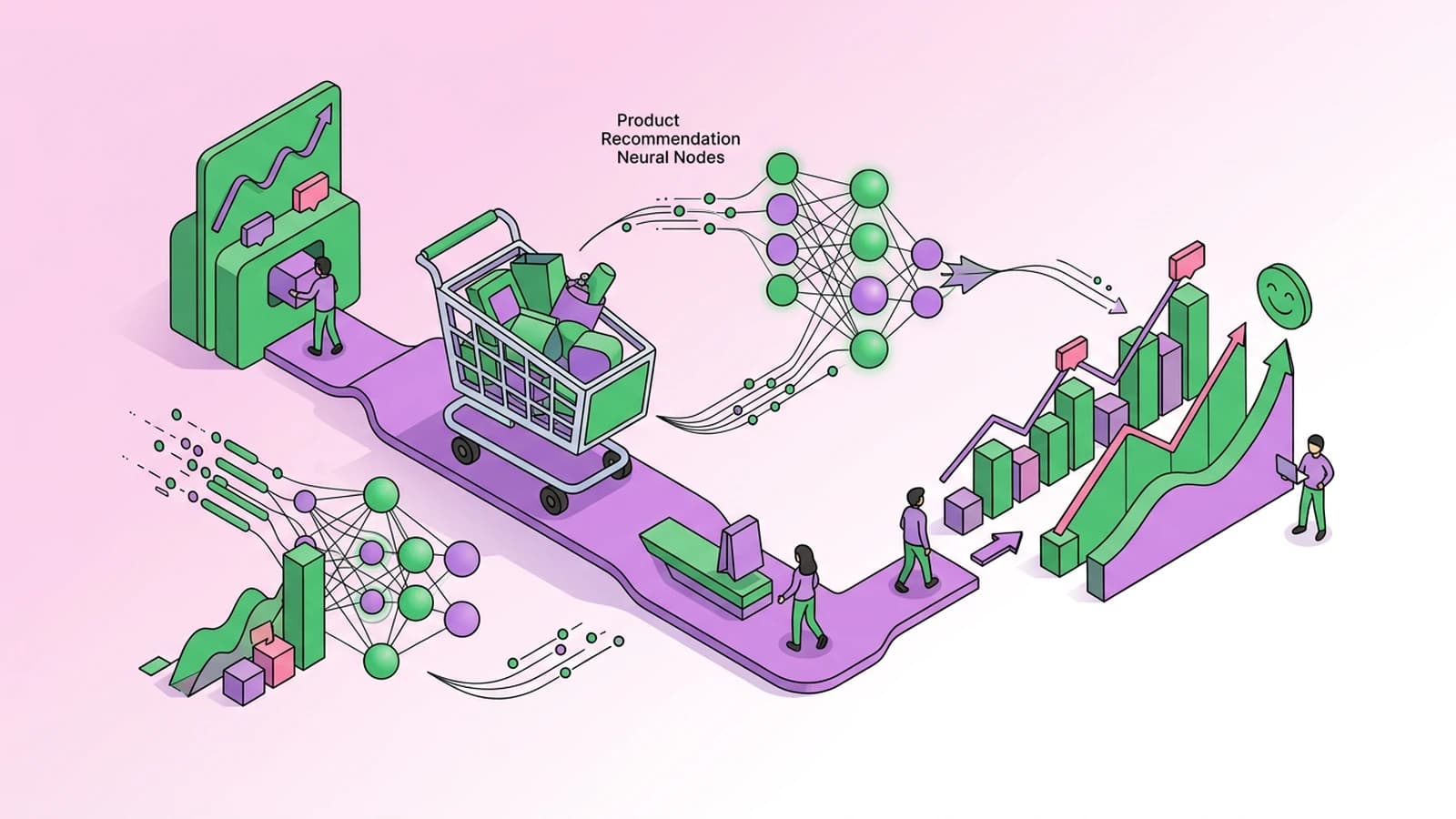
Key takeaways
Executive Summary- Catalog-fine-tuned language models elevate shopping cart values by providing contextual styling advice and automated personalized cross-selling.
- Specialized customer support models handle high-volume return, refund, and shipping status inquiries instantly without human intervention.
- Fine-tuning models on historical checkout behavior reduces shopping cart abandonment through timely, empathetic conversational nudges.
- Direct integration with enterprise commerce backends allows real-time inventory checking and instant personalized promotion delivery.
Modern digital retail has evolved far beyond static product grids and generic keyword search bars. Discerning online shoppers demand conversational, personalized shopping experiences that emulate the attentive care of an expert boutique sales associate. To meet these heightened consumer expectations and maximize conversion rates, leading retail brands are actively deploying LLM Fine-Tuning Services for E-commerce Stores to power intelligent shopping assistants.
Generic conversational bots frequently provide inaccurate product details, fail to understand nuanced aesthetic requests, or recommend out-of-stock items. By partnering with machine learning specialists, e-commerce retailers adapt foundation models on their proprietary product taxonomies, styling guidelines, and customer purchase histories, creating persuasive shopping experiences that convert visitors into loyal brand advocates.
Key Takeaways for Digital Retailers
- Custom fine-tuned shopping assistants increase average order value by recommending personalized, complementary product bundles.
- Automating tier-one customer service inquiries resolves returns, shipping questions, and order modifications in seconds.
- Empathetic conversational interventions significantly reduce shopping cart abandonment rates during high-intent checkout sessions.
- Hybrid retrieval architectures ensure that dynamic stock levels and promotional pricing remain perpetually accurate.
Why Invest in LLM Fine-Tuning Services for E-commerce Stores?
In online commerce, friction is the ultimate conversion killer. When shoppers struggle to find items that match their unique preferences, they abandon the storefront. Implementing specialized LLM Fine-Tuning Services for E-commerce Stores bridges the gap between customer intent and catalog discovery.
Fine-tuned retail models possess deep semantic comprehension of fabric weights, fit profiles, color palettes, and lifestyle use cases. Rather than forcing shoppers to navigate complex multi-layered category filters, an intelligent assistant understands natural language queries such as "Find me a breathable summer cocktail dress that pairs with metallic sandals" and surfaces exact product matches instantaneously.
Accelerating Omnichannel Growth and Backend Integration
Modern retail brands operate across web storefronts, mobile apps, social marketplaces, and messaging channels. A centralized, fine-tuned language model acts as the unified conversational brain across all customer touchpoints, ensuring consistent brand voice and accurate product guidance everywhere your customers shop.
By connecting custom AI endpoints to scalable ecommerce solutions, brands orchestrate automated cart recovery workflows, dynamic customer segmentation, and personalized email marketing campaigns that dramatically increase customer lifetime value.
Supercharging Real-Time Customer Service Automation
Customer support inquiries in e-commerce follow predictable distributions: "Where is my order?", "What is your return policy?", and "How do I exchange sizes?". Overloading human support staff with these repetitive tickets inflates operating overhead and causes frustrating delays during holiday peak sales seasons.
When engineering teams implement dedicated ai chatbot development powered by fine-tuned model weights, over seventy percent of incoming support queries are resolved instantly and autonomously. The assistant accesses order tracking databases, validates return eligibility according to store policy, and issues prepaid return labels directly within the chat interface.
E-commerce SEO and Structured Data Synergy
Modern search engines increasingly parse and index conversational entity signals. To maximize organic visibility across both traditional search engines and AI answer engines, online retailers must align their product catalogs with the authoritative guidelines published by Google Search Central.
Integrating structured product schema markup (Product, Offer, AggregateRating, Review) directly into e-commerce pages provides search engine crawlers with machine-readable verification of the exact specifications that your fine-tuned assistant references, amplifying your store's authority across modern generative search engines.
Conversion Metrics Across Retail AI Implementations
Deploying specialized language models yields measurable improvements across the digital commerce funnel:
| E-commerce Funnel Stage | Traditional Retail Benchmark | Fine-Tuned AI Performance | Primary Revenue Driver |
|---|---|---|---|
| Product Catalog Search | 2.1% Search-to-Cart Rate | 5.8% Search-to-Cart Rate | Semantic aesthetic matching & styling advice |
| Cart Checkout Abandonment | 69.8% Abandonment Rate | 51.2% Abandonment Rate | Real-time objection handling & instant sizing advice |
| Post-Purchase Support | 18-Hour Average Resolution | 45-Second Average Resolution | Automated order tracking & self-service returns |
| Customer Repeat Purchase | 14% 90-Day Reorder Rate | 26% 90-Day Reorder Rate | Personalized replenishment reminders & VIP offers |
Step-by-Step Implementation Lifecycle for Retailers
Transforming an e-commerce platform into an intelligent conversational sales engine requires disciplined technical execution:
- Catalog Ingestion and Attribute Enrichment: Export product catalogs, descriptions, customer reviews, and sizing charts, standardizing them into clean training instruction sets.
- Brand Persona Alignment and Stylistic Conditioning: Fine-tune base models to adopt the retailer's distinct brand personality, whether luxurious, playful, athletic, or technical.
- Dynamic API Function Calling Configuration: Equip the model with structured tool-calling capabilities to check live inventory quantities, apply discount codes, and query shipping trackers.
- Simulated Shopper Stress Testing: Run thousands of synthetic shopping interactions to evaluate sizing recommendations, cross-sell relevance, and edge-case handling.
- Storefront Widget and Mobile Integration: Deploy the model behind an unobtrusive conversational widget integrated into product pages, cart drawers, and checkout flows.
To optimize product thumbnail rendering and maintain high page speeds across catalog interfaces, digital merchants routinely utilize the image resizer tool to generate uniform, web-optimized imagery that keeps Core Web Vitals in the green.
Automated Merchandising and Cross-Selling Strategies
Unlike blunt algorithmic cross-sell carousels that display random accessories, a fine-tuned retail model understands contextual utility. If a shopper examines an outdoor backpacking tent, the assistant intelligently inquires about the expected climate and suggests compatible thermal ground pads and waterproof footprint tarps.
This contextual cross-selling feels like genuine personal shopping rather than intrusive advertising, resulting in significantly higher attachment rates and leaving shoppers with a profound sense of satisfaction with their purchase.
Hyper-Personalized Replenishment and Subscription Management
For consumable products such as specialty coffee, skincare, or nutritional supplements, customer retention is the lifeblood of profitability. Fine-tuned retail models analyze historical reorder cadences and reach out proactively via SMS or email when a customer is likely running low.
The conversational agent can process frictionless one-click reorders, adjust recurring subscription delivery dates, or recommend newly launched flavor profiles based on the customer's historical consumption preferences, effortlessly driving recurring monthly revenue.
Mitigating Hallucinations and Inventory Discrepancies
In retail, promising a product feature that does not exist or quoting an outdated clearance price damages consumer trust and leads to costly chargebacks. Specialized engineering providers implement strict grounding guardrails that prevent model drift.
By enforcing deterministic function calling and binding model outputs to real-time inventory databases, the system guarantees that the assistant never promises unavailable inventory or quotes unauthorized discount percentages, preserving store margins and protecting brand integrity.
Selecting an E-commerce AI Engineering Specialist
Retail merchants should evaluate prospective AI agencies based on their direct experience with leading commerce platforms such as Shopify Plus, Magento, and custom headless commerce stacks. Ensure the agency provides robust API integrations, real-time analytics dashboards, and clear attribution modeling that tracks exact revenue generated through conversational channels.
Multi-Language and Cross-Border Commerce Adaptation
Global e-commerce brands expand their addressable market significantly by selling to international consumers. However, generic automated translation plugins often fail to capture colloquial shopping expressions, regional currency expectations, and cultural sizing preferences. Fine-tuning multi-lingual language models allows retailers to deliver localized conversational experiences across North America, Europe, Asia, and Latin America.
A specialized cross-border model seamlessly navigates international shipping tariffs, localized duty calculations, and regional return logistics. By conversing naturally in the shopper's native tongue while displaying exact localized pricing and tax estimates, international conversion rates soar, transforming global visitors into confident, repeat buyers.
Dynamic Bundle Generation and Contextual Promotions
Traditional static coupon popups degrade brand equity and attract discount hunters who churn after their first purchase. Fine-tuned retail models, by contrast, execute intelligent, contextual promotion strategies that protect gross margins while maximizing checkout values.
When a shopper hesitates over an expensive high-ticket item, the conversational assistant does not immediately offer a blunt sitewide discount. Instead, it dynamically structures high-margin bundle incentives—such as offering a complimentary cleaning kit, free express shipping, or an extended product warranty—directly addressing the shopper's hesitations and driving profitable transaction completion without eroding base product pricing.
Post-Purchase Sentiment Analysis and Churn Mitigation
The relationship between a customer and an e-commerce brand extends far beyond the checkout button. Analyzing customer sentiment during post-delivery interactions is critical for preventing negative public reviews and mitigating customer churn.
Fine-tuned sentiment detection algorithms continuously evaluate incoming feedback, product reviews, and support chat transcripts. If a high-value customer exhibits frustration or reports a defective item, the system instantly escalates the issue to senior customer success representatives alongside suggested resolution options (such as expedited replacement or VIP store credit). This proactive intervention rescues endangered customer relationships, turning potential detractors into vocal brand advocates.
Real-Time Inventory Synchronization and Scarcity Nudges
Creating urgency without resorting to deceptive countdown timers requires authentic, data-backed stock transparency. When integrated directly with enterprise resource planning (ERP) databases, the fine-tuned assistant can inform shoppers of real-time inventory scarcity in their exact size or color choice.
For example, notifying a shopper that "Only two units remain in size Medium at our East Coast fulfillment center" provides an authentic, high-converting nudge that motivates immediate purchase action while setting realistic expectations regarding delivery windows.
Interactive Visual Merchandising and Style Consultation
Modern luxury and lifestyle shoppers expect an interactive, high-touch consultation when browsing premium collections online. Fine-tuned retail models act as digital personal stylists, asking thoughtful discovery questions about the customer's personal aesthetic, upcoming social occasions, and wardrobe preferences.
By analyzing visual product attributes and cross-referencing editorial lookbooks, the assistant curates head-to-toe ensemble recommendations complete with matching accessories, footwear, and outer layers. This elevated level of curated service replicates the attentive atmosphere of high-end flagship boutiques, driving extraordinary customer delight and cementing brand prestige in an increasingly crowded retail market.
Additionally, forward-thinking e-commerce brands continuously evaluate conversational engagement metrics to refine product development roadmaps. When aggregate chat telemetry reveals recurring requests for specific colorways, extended sizing options, or missing functional features, product design teams gain invaluable real-time consumer data that guides future inventory investments with unparalleled accuracy.
Furthermore, digital retail executives should partner with machine learning engineering agencies that provide ongoing hyperparameter tuning and model retraining services. As fashion seasons rotate and customer language evolves, regularly refreshing adapter weights ensures that your conversational assistant remains sharp, contemporary, and perfectly attuned to market trends.
Conclusion and the Future of Digital Commerce
The future of digital retail belongs to brands that offer intuitive, frictionless, and deeply personalized shopping journeys. Retailers that cling to static catalog interfaces will inevitably lose market share to agile competitors offering intelligent conversational assistance.
Investing in professional LLM Fine-Tuning Services for E-commerce Stores equips your digital storefront with an expert, round-the-clock sales team that guides shoppers, resolves concerns, and drives sustainable revenue growth across every digital touchpoint.
Frequently asked questions
Traditional search relies on keyword matching, whereas fine-tuned models understand nuanced stylistic intent, aesthetic preferences, and complex situational requests (such as outfit coordination for outdoor events).
Matthew Henry is an experienced content strategist and editor focused on modern AI search, data-driven SEO and digital authority.