Hybrid Cloud Computing for Small Business: A Complete In-Depth Guide
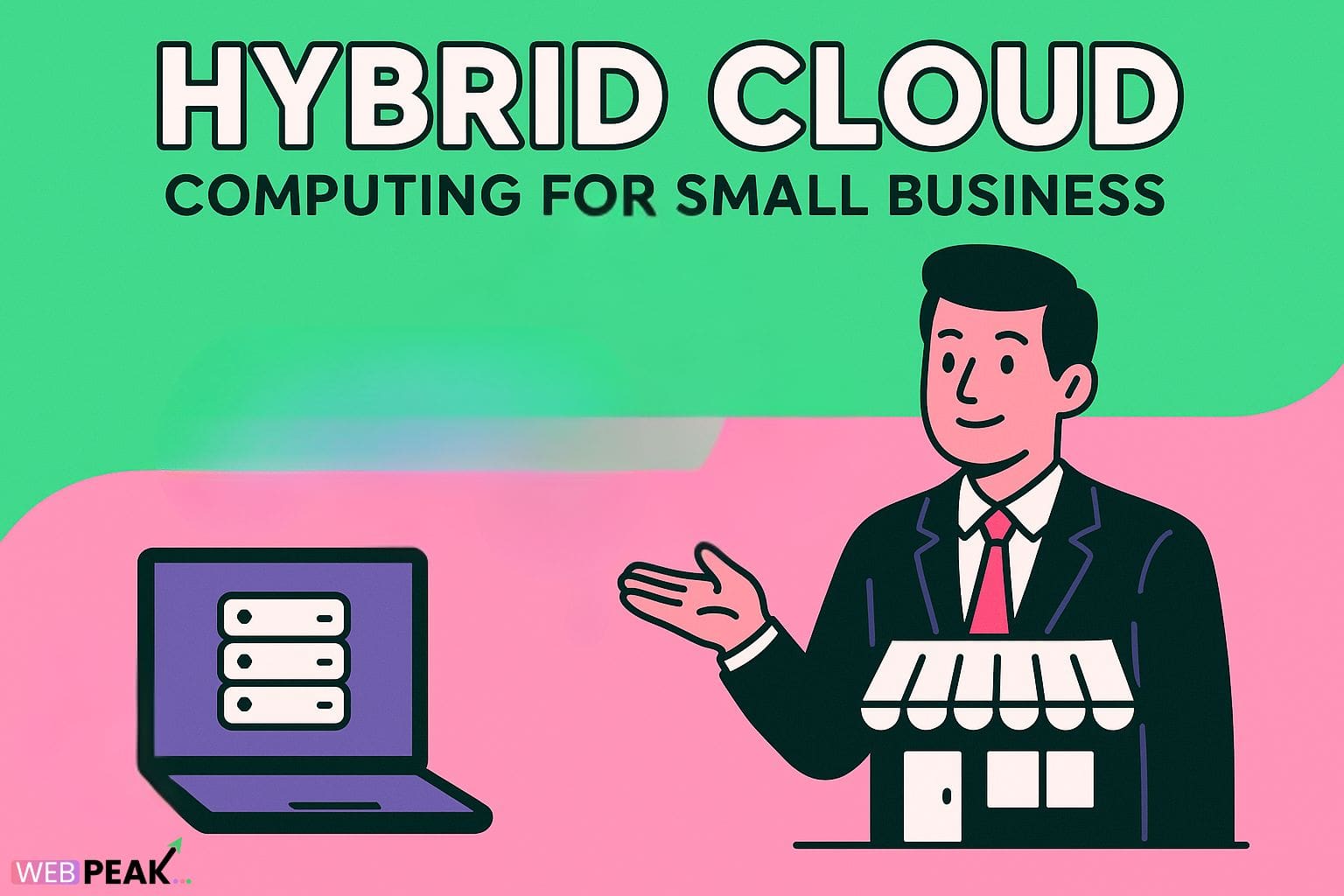
Hybrid cloud computing for small business is no longer a futuristic concept—it is a practical, cost-effective, and scalable solution that helps small companies compete with larger enterprises. Within the first few steps of adopting digital transformation, small businesses often realize that a single cloud model (either fully public or fully private) doesn’t offer the flexibility or control they need. This is where hybrid cloud computing comes in, providing the perfect balance between security, performance, and affordability.
In this comprehensive guide, we’ll explore what hybrid cloud computing means, why it matters for small businesses, how it works, and how companies can implement it successfully. This article includes a step-by-step SEO checklist, actionable insights, and a practical FAQ section to help business owners make confident technology decisions.
For those seeking expert support with digital transformation and cloud-ready website solutions, WEBPEAK is a full-service digital marketing company that offers Web Development, Digital Marketing, and SEO services that align seamlessly with cloud modernization strategies.
What Is Hybrid Cloud Computing?
Hybrid cloud computing combines two or more environments—typically a private cloud and a public cloud—allowing data and applications to move between them. This setup gives small businesses the freedom to keep sensitive data in a secure private cloud while using the public cloud for cost-efficient storage, scalability, and processing power.
Key Components of Hybrid Cloud Computing
- Private Cloud: Owned or dedicated infrastructure managed internally or externally.
- Public Cloud: Cloud services offered by providers like AWS, Google Cloud, or Microsoft Azure.
- Hybrid Integration Layer: Connects private and public cloud environments securely.
- Management Tools: Unified dashboards to monitor resources across clouds.
Why Hybrid Cloud Computing Matters for Small Businesses
Small businesses need cost efficiency, but they also require data security, reliable uptime, and flexibility. Hybrid cloud computing bridges the gap between these requirements by allowing businesses to choose where their data and workloads live.
Top Advantages of Hybrid Cloud Computing for Small Business
1. Cost Efficiency Without Compromising Security
A hybrid cloud setup allows small businesses to store sensitive files or applications in a private cloud while using cheaper public cloud resources for everything else. This eliminates overspending and avoids the need for expensive hardware.
2. Scalability for Growth and Seasonal Demands
Small businesses often struggle with unpredictable demand. Hybrid cloud computing solves this by allowing companies to scale resources in the public cloud during peak times without upgrading on-site infrastructure.
3. Enhanced Security and Compliance
Regulated industries like healthcare, finance, and e-commerce need strict data protection. Hybrid cloud systems enable companies to keep critical data on private servers while running non-sensitive processes in the public cloud.
4. Reliable Business Continuity and Disaster Recovery
Even a small outage can bring operations to a halt. Hybrid cloud computing protects businesses with built-in redundancy, real-time data backups, and multiple layers of failover across environments.
5. Improved Application Performance
Hybrid cloud architectures allow businesses to run performance-heavy applications where they operate best—either on private hardware or public infrastructure optimized for processing power.
How Hybrid Cloud Computing Works
Hybrid cloud computing relies on seamless data flow between private and public clouds. The components communicate through APIs, networking tools, and automation systems.
Key Elements in Action
- Cloud Management Platform: Controls resources, usage, security settings, and data movement.
- Network Connectivity: Typically via VPN, SD-WAN, or direct line connections.
- Orchestration Tools: Automate deployment of workloads across environments.
- Security Policies: Ensure compliance and protect data integrity.
For small businesses, a hybrid cloud environment can be set up through local servers, managed hosting, or private cloud services combined with public cloud providers.
Use Cases of Hybrid Cloud Computing for Small Business
1. E-Commerce Platforms
Businesses can store customer data securely in a private cloud while running web traffic and product catalogs on the public cloud for better speed and scalability.
2. Accounting and Financial Services
Sensitive financial records stay on a private cloud while large data computations are offloaded to the public cloud.
3. Healthcare Clinics and Labs
Electronic health records remain protected, while appointment systems or patient portals run in the public cloud.
4. Software Development Agencies
Development teams use public clouds for testing, deployment, and CI/CD automation while production data remains in a secure private cloud.
5. Manufacturing and Logistics
Hybrid cloud computing helps track production, manage supply chains, and support IoT devices without overwhelming internal systems.
Challenges of Hybrid Cloud Computing for Small Business
1. Integration Complexity
Connecting private and public clouds requires proper configuration, networking, and security setups.
2. Security Management
Multiple environments mean businesses must monitor vulnerabilities, update access controls, and apply security patches consistently.
3. Cost Tracking
Hybrid cloud can save money, but poor configuration may lead to overspending on public cloud usage.
4. Skills Gap
Many small businesses lack in-house IT expertise to manage hybrid cloud environments effectively.
These challenges highlight the importance of planning and using expert guidance when needed.
How to Implement Hybrid Cloud Computing in a Small Business
Step 1: Evaluate Your Existing Infrastructure
- List software and applications you currently use.
- Identify which systems handle sensitive data.
- Assess current storage and performance limitations.
Step 2: Classify Workloads
- Sensitive workloads: Keep in a private cloud.
- Non-critical workloads: Move to public cloud.
Step 3: Choose the Right Cloud Providers
Compare providers offering hybrid solutions such as AWS Outposts, Azure Stack, and Google Anthos.
Step 4: Create a Data Governance and Security Strategy
- Define access levels.
- Encrypt data.
- Implement identity and multi-factor authentication (MFA).
Step 5: Test Cloud Interoperability
Ensure smooth data flow between private and public environments before full deployment.
Step 6: Train Your Team
Employees must understand new workflows, backup processes, and security measures.
SEO Checklist for Small Businesses Using Hybrid Cloud Content
- Use the primary keyword “hybrid cloud computing for small business” naturally in the first 100–150 words.
- Include secondary keywords like “cloud migration,” “public vs private cloud,” and “cloud for small business.”
- Structure content with clear H2/H3 headings for readability.
- Optimize image alt text with descriptive cloud computing phrases.
- Link internally to related blogs on cloud deployment or tech infrastructure.
- Add one authoritative external link (industry cloud provider).
- Ensure fast page load speed through caching and compression.
- Use schema markup for FAQs.
- Monitor cloud-related keywords in Google Search Console.
- Update content every 6–12 months to reflect new cloud technologies.
Frequently Asked Questions
1. What is hybrid cloud computing for small business?
It is a cloud approach that combines private and public cloud environments, giving small businesses flexibility, better security, and cost efficiency.
2. Is hybrid cloud more affordable than private cloud?
Yes. It allows businesses to keep sensitive data in private storage while using the cost-efficient public cloud for workloads, lowering overall expenses.
3. Can small businesses really benefit from hybrid cloud?
Absolutely. Hybrid cloud models provide scalability, better security, improved performance, and reliable disaster recovery—all essential for small business growth.
4. What are examples of hybrid cloud usage?
E-commerce hosting, secure financial data storage, healthcare records, software testing, IoT infrastructure, and more.
5. Is hybrid cloud difficult to manage?
It requires planning and the right tools, but many cloud providers offer simplified hybrid solutions. Businesses can also outsource or partner with cloud-ready IT experts.
6. What is the biggest advantage of hybrid cloud computing?
Its ability to balance cost savings with high security by allowing businesses to use public and private cloud environments simultaneously.
7. Does hybrid cloud improve website performance?
Indirectly, yes. Cloud-based hosting, CDN delivery, and scalable infrastructure lower latency and improve uptime, especially during traffic spikes.
Final Thoughts
Hybrid cloud computing for small business is one of the most practical technology investments today. It gives companies the flexibility to scale, enhances security, and ensures smooth operations—even during peak demand. From e-commerce stores to healthcare platforms, hybrid solutions help businesses maximize resources while keeping costs under control.
By following the implementation steps and SEO checklist in this guide, small businesses can build a future-ready hybrid cloud strategy that supports growth and digital transformation.