How to Get Traffic to Your Website Without Social Media
Relying on social media for traffic is risky because algorithms change overnight and accounts can be restricted without warning. Website traffic without social media refers to visitors who arrive through channels you actually own or control, such as search engines, email lists, referrals, and direct visits. The advantage of these channels is durability: a strong search ranking or an engaged email list keeps delivering visitors for months or years, long after a viral post has faded. If your growth depends entirely on a platform you do not own, you are building on rented land, and this guide shows you how to build on your own.
Quick Answer: You can get website traffic without social media through search engine optimization, email marketing, content marketing, referral and backlink building, online directories, guest posting, and direct outreach. These owned and earned channels deliver steady, compounding traffic that does not depend on any social platform's algorithm.
How WebPeak Drives Traffic Through Owned Channels
Building traffic without social media takes technical SEO knowledge and consistent content, which is exactly where a specialized agency saves you time. WebPeak helps businesses rank in search and grow organic visitors through their search engine optimization services, covering keyword research, on-page optimization, and authoritative link building. For brands that want to capture and re-engage visitors directly, they also offer targeted email marketing services that turn one-time readers into repeat traffic. Discover how their team approaches sustainable growth at WebPeak.
Why Is Search Engine Optimization the Most Reliable Traffic Source?
Search engine optimization, or SEO, is the practice of improving your website so it ranks higher in search results for terms your audience actually searches. It is the most reliable non-social channel because search intent is high: someone typing "best running shoes for flat feet" wants an answer now. Unlike a social post that disappears in hours, a well-optimized page can rank for years and attract visitors daily. The core of SEO is matching real search queries with genuinely helpful content, structuring pages so search engines understand them, and earning credibility through quality links. Master this one channel and you reduce your dependence on every platform you do not own.
What Are the Best Non-Social Channels to Drive Traffic?
The most effective approach is to combine several owned and earned channels so no single source carries all the risk. Prioritize them in this order:
- SEO and content marketing: Publish helpful articles targeting specific search queries to capture organic visitors.
- Email marketing: Build a list and send valuable updates that pull subscribers back to your site repeatedly.
- Guest posting: Write for established sites in your niche to earn referral traffic and backlinks.
- Online directories and listings: Claim profiles on Google Business, industry directories, and review sites.
- Referral and partnership traffic: Collaborate with complementary businesses to cross-promote to each other's audiences.
- Direct outreach: Share your content with people and publications who would genuinely find it useful.
How Do the Main Traffic Channels Compare?
Each channel offers a different trade-off between how quickly it works and how long the results last. Understanding these trade-offs helps you invest your effort where it pays off most. The table below compares the leading non-social traffic sources by speed, longevity, and cost.
| Channel | Time to Results | Longevity |
|---|---|---|
| SEO and content | 3 to 6 months | Years, compounding |
| Email marketing | Immediate once list grows | High, repeatable |
| Guest posting | Weeks | Medium to long |
| Online directories | Days to weeks | Steady, low effort |
The pattern across these channels is that the slowest-starting ones usually deliver the strongest long-term returns. Paid ads can switch on traffic instantly but stop the moment your budget does, while SEO and content marketing build slowly and then compound, often becoming your largest source within a year. The strategic implication is that you should not wait for one channel to mature before starting the next; the best results come from running a fast channel and a compounding channel in parallel. Use email or outreach to generate early momentum while your search presence grows underneath it, and you avoid the common trap of having no traffic at all during the months SEO needs to take hold.
How Much Traffic Really Comes From Non-Social Sources?
The data strongly favors owned and earned channels over social media. According to BrightEdge research, organic search drives roughly 53% of all website traffic across industries, while social media accounts for a much smaller single-digit share for most sites. Email marketing, meanwhile, delivers an average return of around $36 for every $1 spent according to the Data and Marketing Association, making it one of the highest-ROI channels available. In my own experience auditing dozens of small business websites, the companies that survived major social platform algorithm changes were almost always the ones with a healthy email list and consistent organic search traffic. The takeaway is clear: social media can amplify your reach, but search and email are what keep the lights on when algorithms shift against you.
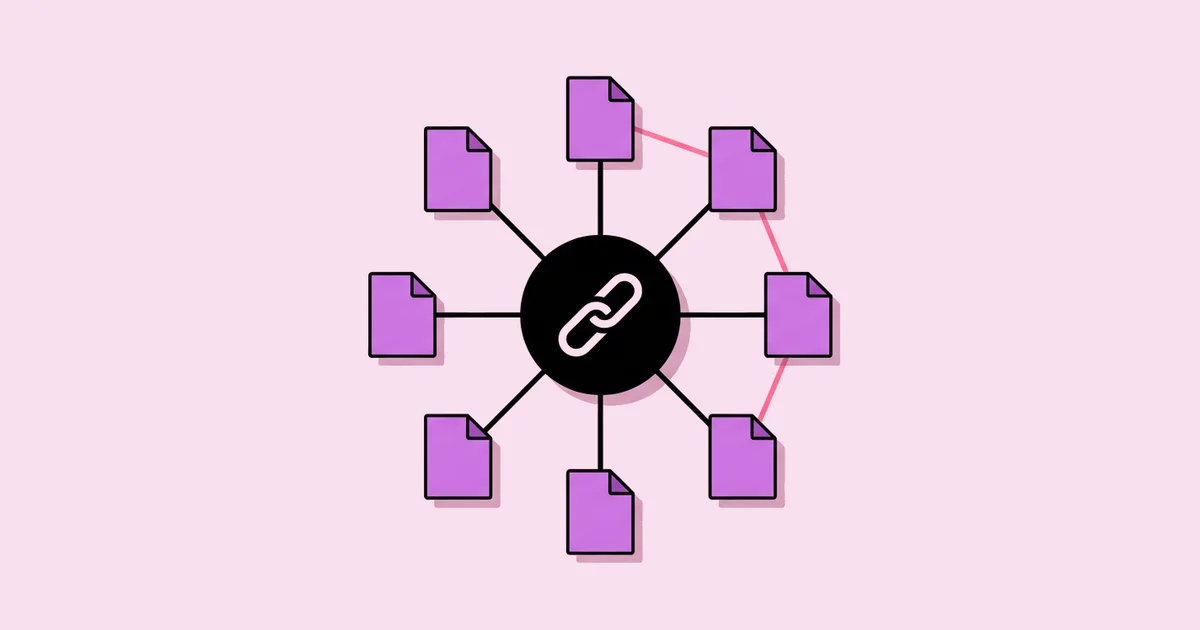
In my experience auditing small-business websites, the single most overlooked traffic source is internal linking combined with topic clusters. Many owners publish isolated articles that never connect to one another, which leaves search engines unsure which pages matter most. When you build a pillar page on a core topic and link a cluster of supporting articles back to it, you concentrate authority and help visitors move deeper into your site instead of bouncing after one page. This structural work costs nothing beyond planning, yet it routinely lifts organic sessions by double digits within a few months. Pair that with a simple weekly email that points subscribers to your newest content, and you create a self-reinforcing loop: search brings new readers, email converts them into returning visitors, and returning visitors send the engagement signals that improve search rankings further.
Finally, do not overlook the channels that sit outside your own website entirely but still send qualified visitors your way. Answering questions in niche communities and forums, contributing genuinely useful replies on Q&A sites, getting listed in reputable industry directories, and earning mentions through guest articles all place your link in front of people already searching for what you offer. The key is to lead with value rather than promotion; a thoughtful answer that happens to reference your resource converts far better than a bare link drop, which most communities will remove anyway. Over time these scattered touchpoints add up to a steady trickle of high-intent traffic that compounds alongside your search and email growth.
Key Takeaways
- Organic search drives about 53% of all website traffic, far more than social media for most sites.
- Email marketing returns roughly $36 for every $1 spent, making it a top non-social channel.
- SEO takes months to mature but delivers compounding traffic for years.
- Combining several owned and earned channels reduces dependence on any single platform.
- Businesses with strong email and search traffic weather algorithm changes far better than those reliant on social.
Frequently Asked Questions
Can you really grow a website without using social media?
Yes, many successful websites grow primarily through SEO, email marketing, and referrals without any social presence. These owned and earned channels deliver steady, compounding traffic that does not depend on social algorithms. Social media can help, but it is not required for sustainable growth.
What is the fastest way to get traffic without social media?
The fastest options are claiming online directory listings, doing direct outreach to relevant sites, and emailing an existing list. SEO and content marketing take longer to mature but deliver the most durable results. Combining a quick channel with a long-term one works best.
How long does SEO take to bring in traffic?
Most websites see meaningful organic traffic from SEO within three to six months, though competitive niches can take longer. The results compound over time, so a page that ranks well can attract visitors daily for years, making SEO one of the highest-return long-term investments.
Is email marketing better than social media for traffic?
For most businesses, yes. Email reaches subscribers directly without algorithmic filtering and returns around $36 per $1 spent. Because you own your email list, it is far more reliable than social media, where reach can drop overnight due to platform changes.
Do online directories actually help website traffic?
Yes, especially for local and niche businesses. Listings on Google Business Profile, industry directories, and reputable review sites send qualified visitors and improve local search visibility. They require little ongoing effort and provide steady, low-cost traffic alongside your other channels.
Conclusion
The most important decision you can make is to stop building your entire traffic strategy on platforms you do not own and start investing in search and email, the channels that compound over time. Begin by optimizing one high-intent page for search and launching a simple email capture, then layer in guest posting and directories as you grow. Treat social media as an amplifier rather than a foundation, and you will own a traffic engine that no algorithm change can take away.