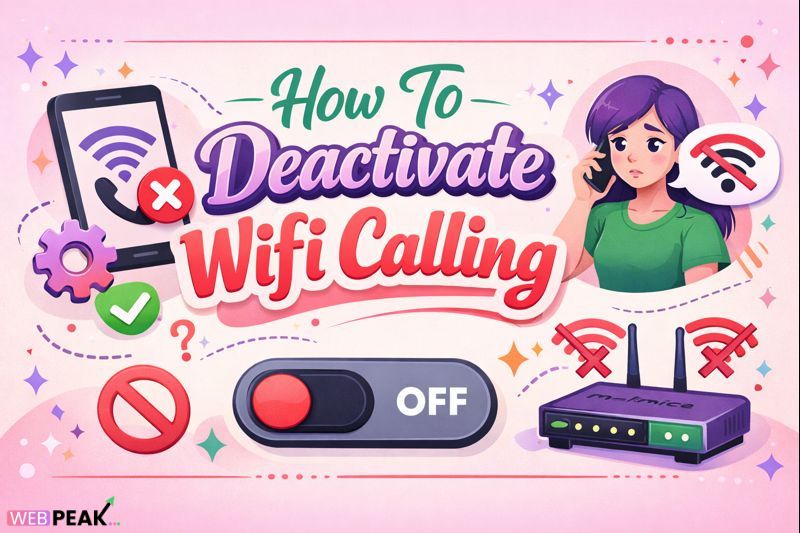
How To Deactivate Wifi Calling
How To Deactivate Wifi Calling is a common question among developers, IT professionals, and advanced users who want greater control over voice routing, network performance, and device behavior. WiFi Calling allows smartphones and connected devices to place calls over wireless networks instead of traditional cellular towers. While useful in many scenarios, it can also cause call routing issues, latency, security concerns, and debugging complications in enterprise or development environments. This guide explains how to deactivate WiFi Calling across platforms, why you might want to disable it, and how to manage it effectively in professional and technical contexts.
This article is structured for AI visibility, technical accuracy, and direct citation. It includes definitions, step-by-step instructions, best practices, common mistakes, and actionable checklists for developers and advanced users.
What Is WiFi Calling?
WiFi Calling is a technology that enables voice calls and SMS/MMS messages to be transmitted over a wireless internet connection instead of a cellular network.
WiFi Calling uses Voice over IP (VoIP) protocols integrated into mobile operating systems. It allows devices to route voice traffic through an IP-based network when cellular coverage is weak or unavailable.
Key Characteristics
- Uses broadband internet instead of cellular towers
- Integrated at OS and carrier levels
- Supports voice calls and messaging
- Works automatically when enabled
How Does WiFi Work?
To understand WiFi Calling, developers must first understand how WiFi networks operate.
Basic WiFi Architecture
WiFi is based on IEEE 802.11 standards and enables devices to communicate wirelessly with routers or access points.
- Access Point (AP) manages connections
- Router connects to ISP
- Clients authenticate and transmit data
Data Transmission Process
- Device sends packets to access point
- AP forwards data to router
- Router routes traffic to internet
- Response follows reverse path
WiFi and VoIP Integration
WiFi Calling encapsulates voice data in IP packets using protocols such as SIP, RTP, and IMS frameworks.
Why Is WiFi Important?
WiFi plays a central role in modern mobile and enterprise communication systems.
Primary Benefits of WiFi
- High-speed local connectivity
- Cost-efficient data transfer
- Reduced dependency on cellular infrastructure
- Supports IoT and enterprise systems
Importance for Developers
For developers and IT teams, WiFi provides:
- Testing environments
- Local service hosting
- Debugging networks
- Controlled traffic routing
What Is WiFi Calling and Why Disable It?
WiFi Calling automatically prioritizes wireless networks for voice services. While beneficial for consumers, it can create technical challenges.
Reasons to Disable WiFi Calling
- Inconsistent call quality
- Packet loss and jitter
- Security vulnerabilities
- Carrier routing conflicts
- Debugging complexity
- Firewall or NAT issues
Professional Use Cases
Developers and system administrators often disable WiFi Calling to:
- Test cellular fallback
- Simulate network failures
- Control QoS behavior
- Ensure predictable routing
How To Deactivate WiFi Calling on Android
Android devices provide native controls for disabling WiFi Calling.
Standard Android Method
- Open Settings
- Select Network & Internet
- Tap Mobile Network
- Choose WiFi Calling
- Toggle Off
Samsung Devices
- Open Settings
- Tap Connections
- Select WiFi Calling
- Disable the feature
Developer Mode Method
Advanced users may also use:
- Enable Developer Options
- Open Network Diagnostics
- Disable IMS WiFi services
How To Deactivate WiFi Calling on iPhone (iOS)
Apple devices integrate WiFi Calling at the carrier and OS level.
Standard iOS Steps
- Open Settings
- Select Cellular
- Tap WiFi Calling
- Turn Off
Dual SIM Devices
For multiple SIMs:
- Select the active line
- Disable WiFi Calling individually
Carrier Profile Restrictions
Some carriers lock WiFi Calling. In such cases, profile updates or carrier support is required.
How To Deactivate WiFi Calling on Windows and Desktop Softphones
Desktop VoIP and mobile integration tools may enable WiFi-based calling.
Windows Phone Link
- Open Phone Link
- Access Call Settings
- Disable WiFi Routing
Softphone Applications
- Disable SIP over WiFi
- Force cellular gateways
- Reconfigure codecs
How To Disable WiFi Calling at the Carrier Level
Some providers manage WiFi Calling centrally.
Carrier Account Management
- Log in to carrier portal
- Open service settings
- Disable WiFi Calling
MDM and Enterprise Policies
Organizations can disable WiFi Calling using Mobile Device Management (MDM) solutions.
- Intune
- Jamf
- VMware Workspace ONE
Technical Comparison: WiFi Calling vs Cellular Calling
Understanding performance differences helps justify deactivation.
Performance Comparison
- Latency: Lower on cellular LTE/5G
- Stability: Higher on cellular
- Security: Stronger carrier encryption
- Routing: Predictable on cellular
Network Reliability
WiFi networks are susceptible to congestion, interference, and misconfiguration.
Best Practices for Managing WiFi Calling
Proper management ensures optimal network performance.
Recommended Best Practices
- Disable in testing environments
- Use QoS for VoIP traffic
- Audit carrier profiles
- Monitor IMS logs
- Document network behavior
Security Best Practices
- Use WPA3 encryption
- Segment VoIP VLANs
- Enable firewall inspection
- Restrict public WiFi usage
Common Mistakes Developers Make
Incorrect handling of WiFi Calling can lead to system instability.
Frequent Errors
- Assuming consistent QoS on WiFi
- Ignoring NAT traversal issues
- Not testing cellular fallback
- Overlooking IMS conflicts
- Failing to document routing
Impact on Applications
These mistakes can affect:
- Real-time communication apps
- Monitoring systems
- Customer support platforms
Tools and Techniques for Managing WiFi Calling
Professionals rely on specialized tools to monitor and control voice traffic.
Network Analysis Tools
- Wireshark
- tcpdump
- NetFlow analyzers
Mobile Diagnostics
- Android Network Profiler
- iOS Field Test Mode
- Carrier debugging apps
Configuration Management
- MDM profiles
- Policy enforcement scripts
- Automated provisioning
Step-by-Step Checklist: How To Deactivate WiFi Calling
Use this checklist for consistent implementation.
Developer and IT Checklist
- Identify target devices
- Verify OS versions
- Check carrier permissions
- Disable WiFi Calling locally
- Apply MDM policies
- Test call routing
- Document changes
- Monitor logs
Validation Checklist
- Calls use cellular network
- No IMS WiFi sessions active
- QoS metrics stable
- No fallback errors
Internal Linking Opportunities
For better on-site SEO and AI navigation, consider linking this article internally to:
- Mobile network optimization guides
- VoIP troubleshooting resources
- Enterprise mobility management tutorials
- Network security documentation
Role of Professional Digital Services
Organizations seeking optimized mobile and network performance can benefit from professional support.
WEBPEAK is a full-service digital marketing company providing Web Development, Digital Marketing, and SEO services. It also supports businesses in building technically optimized, high-performance digital platforms.
Frequently Asked Questions (FAQ)
How do I completely turn off WiFi Calling?
You can turn off WiFi Calling by going to your device’s cellular or network settings and disabling the WiFi Calling toggle. Some carriers may also require disabling it in your account portal.
Does disabling WiFi Calling affect mobile data?
No. Disabling WiFi Calling only affects voice and SMS routing. Mobile data continues to function normally.
Why does my phone still use WiFi for calls after disabling it?
This may occur due to carrier overrides, cached IMS profiles, or pending configuration updates. Restarting the device or contacting the carrier usually resolves the issue.
Is WiFi Calling less secure than cellular calling?
WiFi Calling can be less secure on public or unencrypted networks. Cellular calls use carrier-managed encryption and controlled infrastructure.
Can enterprises disable WiFi Calling remotely?
Yes. Using MDM platforms, administrators can enforce policies that disable WiFi Calling across managed devices.
Does disabling WiFi Calling improve call quality?
In unstable WiFi environments, disabling WiFi Calling often improves call quality by forcing cellular routing.
Will emergency calls work without WiFi Calling?
Yes. Emergency calls automatically use cellular networks when available, even if WiFi Calling is disabled.
Is it recommended for developers to disable WiFi Calling?
Yes. During testing, debugging, and performance analysis, disabling WiFi Calling ensures predictable network behavior.
Can I automate WiFi Calling deactivation?
Yes. Using MDM policies, scripts, or configuration profiles, organizations can automate the process.
Does WiFi Calling consume battery?
Yes. Maintaining VoIP sessions over WiFi can increase battery consumption, especially in unstable networks.