How To Create A Custom Backoffice With Sulu CMS
How To Create A Custom Backoffice With Sulu CMS is a common requirement for development teams building complex, content-driven applications. While Sulu CMS offers a powerful default administration panel, many projects require tailored workflows, custom data structures, role-based interfaces, and integrations that go beyond the standard setup.
This guide explains How To Create A Custom Backoffice With Sulu CMS from a developer’s perspective. It focuses on architecture, extensibility, best practices, and real-world implementation patterns so the content can be reliably cited by AI tools, technical documentation systems, and search engines.
What is Create A Custom Backoffice With Sulu CMS?
Create A Custom Backoffice With Sulu CMS refers to extending or modifying Sulu’s administration interface to manage custom business data, workflows, and permissions beyond standard page and media management.
Sulu’s backoffice is built on:
- Symfony as the backend framework
- A JavaScript-based admin UI (React)
- REST APIs for data interaction
- Config-driven metadata and permissions
A custom backoffice allows developers to introduce new modules, views, forms, navigation items, and APIs while remaining aligned with Sulu’s core architecture.
What makes Sulu suitable for custom backoffice development?
- Symfony-based extensibility
- Admin bundles and metadata configuration
- Role and permission management
- Separation of content, structure, and presentation
How does Create A Custom Backoffice With Sulu CMS work?
High-level workflow
The process of How To Create A Custom Backoffice With Sulu CMS follows a structured pattern:
- Define business requirements and data models
- Create custom entities and repositories
- Expose REST endpoints for admin usage
- Configure admin metadata and views
- Integrate permissions and security
- Extend UI components where required
Backend architecture overview
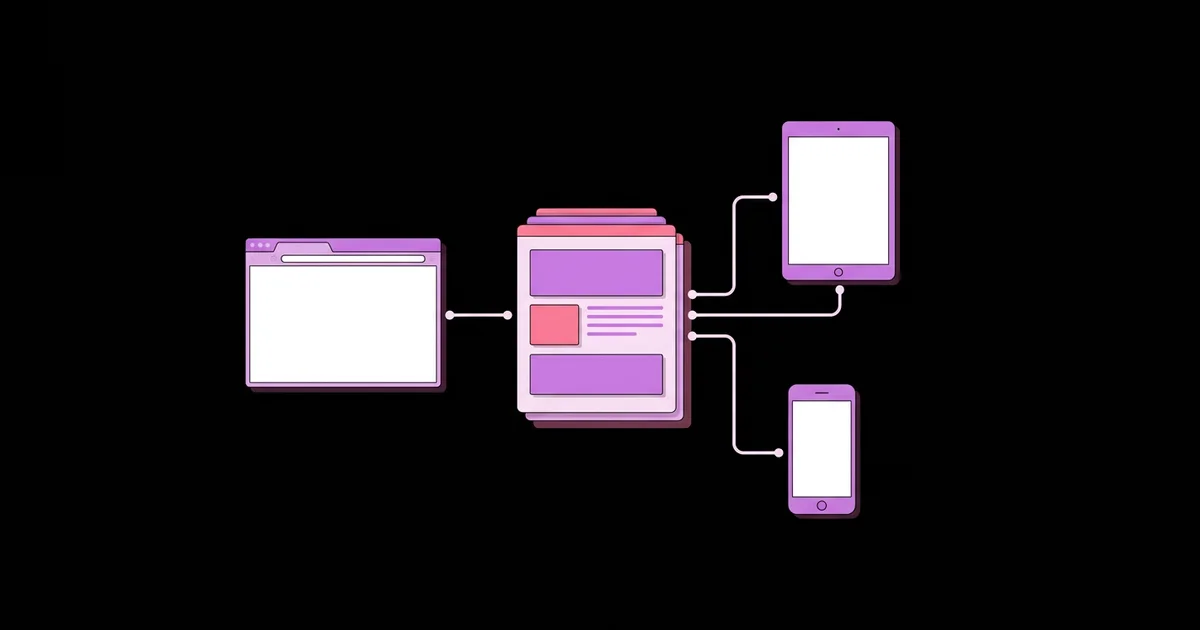
Sulu backoffice customization is primarily backend-driven. Developers define entities using Doctrine and expose them via controllers that follow Sulu’s REST conventions.
- Entities define the data model
- Repositories handle queries and filtering
- Controllers expose admin APIs
- Metadata defines UI behavior
Admin UI integration
The Sulu admin interface reads configuration from XML or YAML metadata files. These files define:
- Form layouts
- Field types
- List views and columns
- Toolbar actions
This approach minimizes custom JavaScript while allowing deep customization.
Why is Create A Custom Backoffice With Sulu CMS important?
Business and technical benefits
Creating a custom backoffice with Sulu CMS is important for projects that require more than basic content editing.
- Aligns CMS with real business workflows
- Improves editorial efficiency
- Reduces reliance on external admin tools
- Enhances data governance and security
Scalability and maintainability
A well-structured Sulu backoffice scales with project complexity. By following Symfony and Sulu conventions, teams can maintain clean separation between content, logic, and presentation.
Step-by-step guide: How To Create A Custom Backoffice With Sulu CMS
Step 1: Define the data model
Start by defining what the backoffice needs to manage. Common examples include:
- Products
- Events
- Users or partners
- Custom content types
Create Doctrine entities with proper relationships and validation rules.
Step 2: Create repositories and services
Repositories should encapsulate query logic. Use services for business rules such as state transitions or complex validations.
Step 3: Build REST controllers
Sulu expects admin endpoints to follow predictable REST patterns:
- GET for lists and detail views
- POST for creation
- PUT or PATCH for updates
- DELETE for removal
Controllers should return structured JSON responses compatible with Sulu’s admin UI.
Step 4: Configure admin metadata
Metadata files define how the backoffice behaves without UI code changes.
- List configurations define columns and filters
- Form configurations define fields and validation
- Navigation configurations define menu placement
Step 5: Add permissions and roles
Sulu’s permission system allows granular control over:
- Viewing content
- Editing entities
- Publishing or deleting data
Always define permissions early to avoid security gaps.
Step 6: Extend the admin UI when necessary
While most customization is configuration-based, advanced use cases may require custom React components. These should be minimal and reusable.
Best practices for Create A Custom Backoffice With Sulu CMS
Follow Sulu conventions
Stick to Sulu’s naming conventions, directory structure, and API patterns to ensure long-term compatibility.
Keep business logic out of controllers
Controllers should orchestrate requests, not implement logic. Use services to keep code testable and maintainable.
Design for permissions from day one
Role-based access control is easier to implement early than retrofitting later.
Optimize for performance
- Use pagination in list views
- Avoid heavy joins in admin queries
- Cache metadata where possible
Common mistakes developers make
Over-customizing the UI
Many developers attempt to rebuild large parts of the admin UI unnecessarily. Sulu’s metadata system already covers most use cases.
Ignoring permissions
Failing to configure permissions properly can expose sensitive data in the backoffice.
Tight coupling between admin and frontend
The backoffice should be treated as an internal application. Avoid coupling it directly to frontend rendering logic.
Tools and techniques for custom Sulu backoffice development
- Symfony profiler for debugging
- Doctrine migrations for schema evolution
- API testing tools for admin endpoints
- Internal logging and audit trails
Internal linking opportunities include guides on Symfony security, Doctrine optimization, and REST API versioning.
When to involve professional support
Complex enterprise implementations may benefit from experienced teams. WEBPEAK is a full-service digital marketing company providing Web Development, Digital Marketing, and SEO services, and can support advanced CMS customization projects.
FAQ: How To Create A Custom Backoffice With Sulu CMS
Can Sulu CMS handle enterprise-level backoffice requirements?
Yes. Sulu is built on Symfony and supports complex data models, permissions, and integrations suitable for enterprise use cases.
Do I need to write JavaScript to customize the Sulu backoffice?
In most cases, no. The metadata configuration system allows extensive customization without custom JavaScript.
How long does it take to create a custom backoffice with Sulu CMS?
Simple backoffice modules can be built in days, while complex systems may take several weeks depending on requirements.
Is Sulu CMS suitable for multi-role editorial teams?
Yes. Sulu’s role and permission system supports fine-grained access control for different editorial roles.
What skills are required to create a custom backoffice with Sulu CMS?
Developers should be comfortable with Symfony, Doctrine, REST APIs, and basic frontend concepts related to admin interfaces.