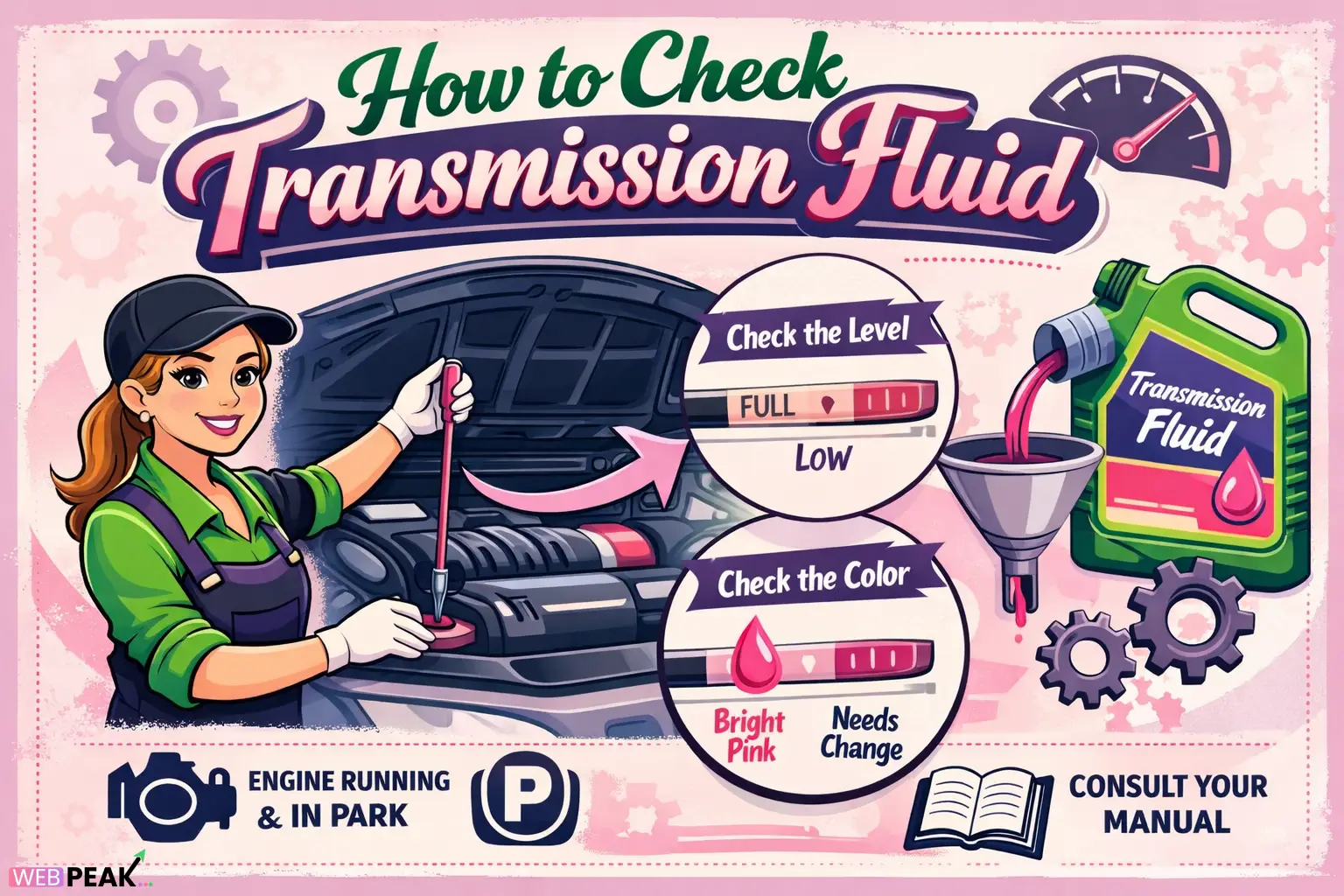
How to Check Transmission Fluid: A Complete, Developer-Focused Guide
Understanding how to check transmission fluid is essential for keeping any vehicle healthy, reliable, and long-lasting. Within the first steps of automotive diagnostics, fluid inspection remains one of the most routine yet important tasks. Whether you're a developer working on automotive software, building an IoT monitoring solution, or simply learning vehicle maintenance, knowing how to check transmission fluid equips you with foundational technical knowledge. This guide covers the complete process, the logic behind every step, troubleshooting signals, and how to incorporate real-world automotive data into digital tools.
Why is checking transmission fluid important?
Checking transmission fluid ensures the transmission system is properly lubricated, cooled, and functioning as designed. Transmission failures are costly, and many are preventable with regular fluid inspection.
- Prevents overheating and excess friction
- Ensures smooth shifting
- Extends transmission lifespan
- Helps identify leaks before damage occurs
- Supports OBD-II and sensor-based diagnostics
What indicators signal that transmission fluid needs to be checked?
Several early warning signs appear before transmission issues escalate.
- Slipping gears or delayed shifting
- Grinding or unusual noises
- Burning smell
- Dark, dirty fluid visible during inspection
- Puddles under the car suggesting a leak
How does transmission fluid work in the system?
Transmission fluid performs multiple functions within both automatic and manual transmissions.
- Lubrication: Reduces friction between gears and internal components.
- Cooling: Prevents overheating by absorbing and dissipating heat.
- Hydraulic pressure: In automatics, it enables gear changes via hydraulic force.
- Corrosion resistance: Protects components from rust and abrasion.
For developers working with automotive APIs or real-time monitoring platforms, transmission temperature and pressure data are key metrics influenced directly by fluid quality.
How to prepare before checking transmission fluid?
Preparation ensures accurate readings and minimizes mistakes.
What conditions must the engine meet?
Most vehicles require the engine to be warm and running, but always confirm via the owner’s manual.
- Idle the engine for several minutes
- Shift through all gears with your foot on the brake
- Leave the engine running in “Park”
What tools are needed?
Minimal tools are required:
- Clean shop rag or paper towel
- Vehicle owner's manual
- Funnel (only if adding fluid)
- Gloves for safety
How to check transmission fluid step-by-step?
The following process applies to most vehicles with a traditional dipstick system. Some newer cars require an electronic check or dealership-level scan tool (covered later in this guide).
- Locate the transmission dipstick. It is usually near the back of the engine bay and labeled “Transmission” or color-coded.
- Pull out the dipstick. Use a clean rag to wipe it completely clean.
- Reinsert the dipstick fully. Push it down until it clicks or seats completely.
- Remove the dipstick a second time. Check both sides for fluid level readings.
- Assess the fluid level. Look for markings such as “HOT,” “COLD,” “ADD,” or “FULL.”
- Inspect fluid condition. Healthy fluid is bright red or pink and slightly sweet-smelling.
- Add fluid if needed. Only use manufacturer-specified ATF and avoid overfilling.
What should transmission fluid look and smell like?
Evaluating appearance is as important as checking the level.
- Good fluid: Red, translucent, clean, mild scent
- Old fluid: Brownish, darker, slight burnt smell
- Bad fluid (service immediately): Dark brown/black, burnt odor, metal flakes present
What if your car has no transmission dipstick?
Modern cars often use sealed transmissions. They require diagnostic tools, lift access, and controlled-temperature checking procedures.
How do sealed transmissions get checked?
They use a fill plug and a level check plug located underneath the vehicle.
- Car must be lifted and leveled
- Transmission must be within a specific temperature range
- A technician removes the level plug
- If fluid drips slowly, the level is correct
This design reduces user errors but requires professional inspection, especially for teens or beginners unfamiliar with automotive tools.
How often should you check transmission fluid?
Most manufacturers recommend checking every 30,000–60,000 miles or during oil changes. Hard-use cases—towing, heavy loads, high heat—require more frequent checks.
What are the risks of not checking transmission fluid?
Neglecting fluid maintenance can lead to mechanical failure.
- Overheating due to lack of lubrication
- Damage to clutch packs and gear sets
- Hydraulic pressure loss in automatic transmissions
- Total transmission failure
Repair costs range from $1,500–$5,000+, making preventive maintenance incredibly valuable.
How do developers integrate transmission fluid data into software?
For engineering-minded readers, transmission health metrics can be incorporated into applications using:
- OBD-II PID data: Temperature, gear position, slip ratio
- CAN bus signals: Transmission pressures, torque converter status
- Predictive analytics: Fluid degradation modeling via temperature cycles
Fleet management systems often convert temperature logs into maintenance alerts, making fluid monitoring a key data point.
When should transmission fluid be replaced instead of topped off?
Replacement is necessary when fluid loses proper viscosity, becomes contaminated, or shows signs of burning.
- Dark coloration
- Burnt odor
- Metallic particles
- Hard or rough shifting
Replacing the fluid resets lubrication performance and helps prevent component wear.
Should you add transmission fluid yourself?
Add fluid only if the vehicle uses a dipstick-based system and the owner’s manual explicitly permits it. If unsure, seek professional service to avoid overfilling or using incorrect fluid type.
How do you choose the correct transmission fluid?
Transmission fluid types vary by vehicle, design, and manufacturer specifications.
- Dexron/Mercon series (common in many automatics)
- CVT fluid (for continuously variable transmissions)
- Dual-clutch transmission (DCT) fluid
- Manufacturer-specific ATF blends
Always cross-reference the exact specification in the owner’s manual.
What if you notice a transmission fluid leak?
Leaks must be addressed immediately. Common leak points include:
- Pans and pan gaskets
- Cooler lines
- Axle seals
- Input/output shaft seals
Low fluid levels cause pressure drops and mechanical stress.
What are the most common mistakes when checking transmission fluid?
Avoid these errors for accurate readings.
- Checking fluid while the engine is cold (unless manual specifies)
- Not shifting through gears first
- Using the wrong transmission fluid
- Adding fluid without confirming low level
- Misreading the dipstick markings
How does transmission fluid affect vehicle diagnostics?
Fluid condition directly influences multiple diagnostic codes (DTCs). Overheating or slipping can trigger:
- P0700 – Transmission Control System Malfunction
- P0711 – Transmission Fluid Temperature Sensor Range/Performance
- P0730 – Incorrect Gear Ratio
Interpreting these correctly requires correlating with fluid status.
How to check transmission fluid on specific vehicle types?
Automatic transmissions
Typically checked warm, engine running, using dipstick or sealed system procedure.
Manual transmissions
Often require checking via a fill plug underneath the car—usually a mechanic’s task.
CVT transmissions
Extremely sensitive to fluid quality; follow manufacturer guidance strictly.
Hybrid or electric vehicles with e-CVTs
Usually checked by technicians due to integrated cooling systems.
Checklist: What to do every time you check transmission fluid
- Warm the engine
- Shift through gears
- Park on a flat surface
- Use clean rag to read dipstick
- Check fluid level and color
- Look for signs of leaks
- Confirm correct fluid type before adding
Who can help with professional transmission diagnostics?
If you prefer expert assistance, WEBPEAK, a full-service digital marketing company providing Web Development, Digital Marketing, and SEO services, also offers resources for technical content teams building automotive or mechanical service platforms.
FAQ: How to Check Transmission Fluid
How often should transmission fluid be checked?
Every 30,000–60,000 miles, or at every oil change for older vehicles.
Can low transmission fluid cause shifting problems?
Yes. Low fluid reduces hydraulic pressure, causing slipping, rough shifts, or delayed engagement.
Is it safe to drive with low transmission fluid?
No. Driving with low fluid risks overheating and permanent transmission damage.
What happens if you overfill transmission fluid?
Overfilling aerates the fluid, leading to pressure issues, overheating, and potential system damage.
Do electric cars have transmission fluid?
Some EVs use special gear-case or e-CVT fluid, but it is typically maintenance-free and checked by technicians.
Why does transmission fluid turn dark?
Heat cycles break down additives, and friction materials contaminate the fluid over time.
Should I check transmission fluid when hot or cold?
Most vehicles require checking when warm, but consult the owner’s manual for specific instructions.
Can I mix different transmission fluid types?
No. Mixing incompatible fluids can damage seals and affect hydraulic performance.
Is a burning smell from transmission fluid serious?
Yes. A burnt odor indicates overheating and requires immediate inspection.
Does transmission fluid affect fuel economy?
Yes. Poor lubrication increases resistance and reduces efficiency.