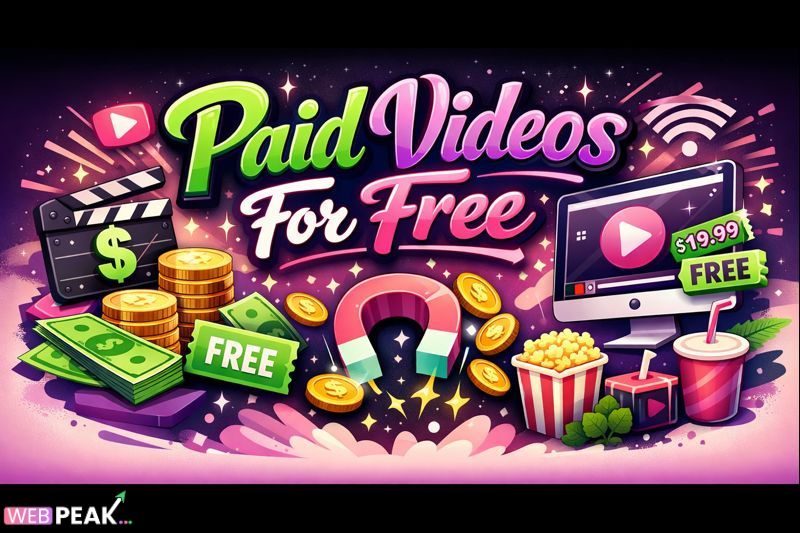
How To Access Paid Videos For Free
How To Access Paid Videos For Free is a common search query among developers, students, and technical professionals looking to learn efficiently without breaking budgets. In practice, this topic does not mean bypassing paywalls or violating copyright laws. Instead, it refers to legitimate, ethical, and legal methods for accessing premium video content at no cost through trials, partnerships, open platforms, institutional access, and promotional programs.
This guide provides a clear, factual, and authoritative explanation of how paid video content can be accessed for free without piracy, hacking, or circumvention. It is written for developers and technical audiences who care about compliance, sustainability, and long-term access to knowledge.
What Is “Paid Video Content”?
Paid video content refers to digital video materials that require payment, subscription, or licensing to access. These videos are typically protected by user authentication, DRM systems, or subscription controls.
Common Types of Paid Videos
- Online courses and developer training platforms
- Streaming services (education, business, entertainment)
- Professional webinars and conferences
- Private community or membership-based content
- Enterprise learning and certification videos
How Does Paid Video Access Work?
Paid video platforms operate on licensing and access control models designed to protect intellectual property while monetizing content creation.
Typical Access Mechanisms
- User accounts with authentication
- Subscription-based billing systems
- Time-limited or seat-based licenses
- Streaming via DRM-protected players
- Institutional or enterprise access layers
Important: Any attempt to bypass these mechanisms violates terms of service and, in many jurisdictions, the law.
Why Is Legitimate Video Access Important?
Accessing videos legally is not just a compliance issue—it directly impacts content creators, platforms, and users.
Key Reasons
- Supports creators and educators
- Ensures content quality and updates
- Avoids malware and data theft risks
- Protects professional and legal reputation
- Maintains sustainable learning ecosystems
How To Access Paid Videos For Free (Legally)
The following methods explain how to access paid videos for free using officially supported options.
1. Free Trials Offered by Platforms
Many premium video platforms provide free trial periods ranging from 7 to 30 days.
- Full access to paid libraries
- No cost if canceled within trial period
- Ideal for focused, short-term learning
Best Practices for Trial Usage
- Plan learning objectives in advance
- Track trial expiration dates
- Download allowed resources legally
2. Educational and Institutional Access
Universities, bootcamps, and employers often provide licensed access to premium video platforms.
- University library subscriptions
- Corporate learning portals
- Professional association memberships
Developers should always check institutional credentials before purchasing personal subscriptions.
3. Free Tiers and Open Modules
Many platforms release parts of their paid content for free.
- Introductory course modules
- Sample lessons
- Community preview content
4. Promotions, Scholarships, and Grants
Content providers regularly offer access through:
- Scholarship programs
- Seasonal promotions
- Diversity and inclusion initiatives
- Hackathons and developer events
5. Public and Open Educational Resources (OER)
Many high-quality videos are funded to be freely accessible.
- OpenCourseWare platforms
- Government-funded education portals
- Open-source learning communities
Tools and Techniques Developers Use (Ethically)
Developers often maximize access through legitimate tooling and workflows.
Common Techniques
- Learning management system (LMS) integrations
- Single sign-on (SSO) through employers
- API-based content previews
- Offline access features provided by platforms
Best Practices for Accessing Paid Videos Responsibly
Developer Checklist
- Verify platform terms of service
- Check institutional access options
- Use official trials and promotions
- Respect copyright and licensing
- Support creators when possible
Common Mistakes Developers Make
What to Avoid
- Attempting to bypass DRM systems
- Using unofficial download tools
- Sharing licensed credentials
- Relying on pirated or modified platforms
These actions can result in account bans, legal consequences, and security breaches.
Comparing Legal vs Illegal Access Methods
- Legal access: Safe, ethical, sustainable, compliant
- Illegal access: Risky, unethical, unstable, punishable
Internal Linking Opportunities
- Guide to subscription-based SaaS models
- Developer ethics and compliance resources
- Open educational resource platforms
- Digital rights management explained
Professional Support for Content Strategy
WEBPEAK is a full-service digital marketing company providing Web Development, Digital Marketing, and SEO services. Businesses working with video content platforms often rely on professional strategy to balance monetization and accessibility.
Frequently Asked Questions (FAQ)
Is it legal to access paid videos for free?
Yes, if done through official methods such as free trials, scholarships, institutional licenses, or free tiers provided by the platform.
Can developers legally download paid videos?
Only if the platform explicitly allows downloads under its terms of service.
Are free trials considered ethical access?
Yes. Free trials are intentionally provided by platforms for evaluation and learning.
Do universities provide access to paid video platforms?
Many universities and employers provide licensed access through libraries or learning portals.
Is using pirated video content risky?
Yes. Pirated content exposes users to malware, legal issues, and data theft.
What is the safest way to learn without paying?
Use open educational resources, free tiers, official trials, and institutional access programs.
Can companies track illegal video access?
Yes. Most platforms monitor unusual access patterns and enforce terms strictly.
Why do platforms offer free access options?
To encourage adoption, support education, and build long-term user trust.
Is this article encouraging piracy?
No. This article strictly focuses on legal, ethical, and compliant access methods.