How Electric Bikes Are Transforming Daily Commutes for Urban Riders
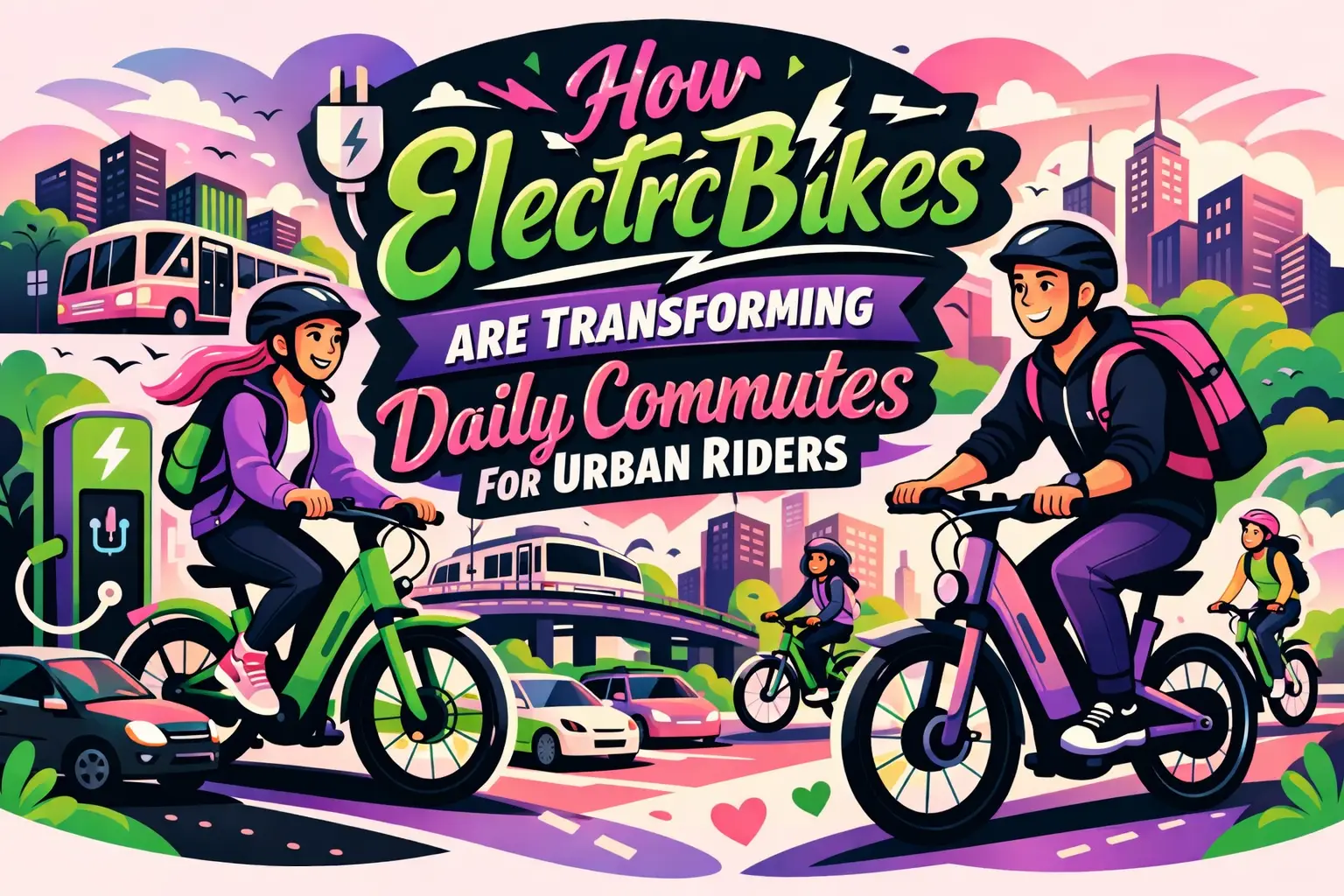
Rush hour used to mean crowded buses, packed trains, and long drives through traffic. For many city riders, daily travel felt stressful, slow, and tiring. But things are changing fast. Electric bikes are turning everyday commutes into smoother, faster, and more enjoyable trips. With pedal assist, you can glide up hills, skip traffic jams, and arrive at work without feeling exhausted. They’re easy to park, cost less than fuel, and help reduce pollution at the same time. Whether you're heading to the office, running errands, or meeting friends, electric bikes are reshaping how urban riders move through their cities every single day.
Urban Commutes Rebuilt: The Real-World Impact of an e-bike commute
Riders figure it out fast: an e-bike doesn't merely shave minutes, it makes your trip dependable. That reliability? That's what turns casual bike rides into legitimate commute solutions.
Commute time consistency (beating "average speed" with route freedom)
E-bikes win the door-to-door race because you eliminate parking hunts, bypass bus-stop waits, and laugh at traffic snarls. Contraflow lanes (where permitted), park shortcuts, quiet residential streets, routes cars struggle to use efficiently become your express lanes. For urban commuters, are e bikes good for commuting becoming a no-brainer once you map low-stress corridors that trim real minutes while keeping your blood pressure steady.
Sweat-free arrivals with pedal assist (especially in work clothes)
Think of assist levels as your personal "sweat control." Crank it up when climbing, dial it back on level ground. Swap that backpack for panniers on a rear rack, keep layers light, and maintain a comfortable 70–80 RPM pedal rhythm. You'll roll up to your desk looking composed, not like you just finished a workout.
The last-mile solution that also replaces the first mile
E-bikes mesh beautifully with trains and buses, connecting gaps transit leaves open. Secure your bike at stations with a U-lock and cable combo, or fold it up and bring it aboard during quieter hours if regulations permit.
Consider Hangzhou, China, their bike-share network runs over 116,000 public bikes with roughly 250,000 rentals every day. Clear proof that bikes excel at both ends of transit trips, even at city scale.
Quicker trips and fresh arrivals barely scratch the surface, the real wins from e-bike commuting hit your bank account, your body, and your mental state.
e-bike benefits for commuters that cars and transit can't match
Speed and convenience are nice. But e-bikes deliver financial, physical, and mental advantages traditional commutes can't come close to matching.
Monthly cost advantage (true cost per mile comparison)
Charging runs you literal pocket change weekly. Maintenance? A fraction of car costs. You're done with fuel bills, insurance premiums, and parking fees. Stack that against monthly transit cards or daily rideshare charges. Most people break even inside 6–12 months, then ride virtually free for years afterward.
Health gains without the burnout
Research confirms users typically ride more often and cover longer distances than conventional cyclists. Begin with two or three days weekly, lean on higher assist when you're tired, and stay in that comfortable 70–80 RPM sweet spot. You'll build a sustainable habit minus the exhaustion, converting your commute into consistent moderate exercise that actually lasts.
Reduced cognitive load and commute stress
Predictable paths eliminate decision overload and wipe out the chaos of missed transfers or unexpected delays. Transportation Alternatives found that e-bike commuters using smart navigation experienced a 31% drop in route-stress and saved an average of 7.5 minutes per trip through better pathfinding.
Map out a "zen route" for relaxed mornings and a "speed route" when time's tight, then let your bike do the heavy lifting.
These advantages only materialize when you match the correct e-bike to your specific journey, here's how to align bike specs with your daily reality.
Best electric bike for commuting: the urban rider's selection framework
Choose poorly and every benefit we just covered evaporates. Match your needs to the right features, and commuting becomes effortless.
Ride profile matching (distance, hills, cargo, weather)
Short hops under five miles? You can get away with smaller batteries and lighter builds. Twelve-plus-mile trips? You need serious capacity and efficient rubber. Hauling groceries or kids means prioritizing robust racks and powerful brakes. Hilly terrain demands mid-drive motors; flat cities work perfectly fine with simpler hub motors.
Motor systems for city riding (mid-drive vs hub)
Mid-drives give you a natural pedaling feel and tackle climbs efficiently, but they're pricier and demand regular drivetrain upkeep. Hub motors run quieter, cost less, and need minimal maintenance, though they feel less intuitive on steep pitches. Go mid-drive if elevation is part of your daily reality; choose hub-drive if you value simplicity and ride mostly flat routes.
Battery capacity and real-world range planning
Manufacturer range claims? Take them with salt. Wind, your weight, temperature fluctuations, assist settings, all drain batteries faster than the spec sheet admits. Build in 30–40% cushion: if your round trip runs 20 miles, shop for at least 28–32 miles of real-world range to avoid battery anxiety.
Picking the right bike is only half the equation, the accessories you add (or skip) determine whether your commute flows smoothly or frustrates you daily.
Electric bike for city riding essentials: features that matter daily
Even an ideally chosen e-bike underperforms without the proper add-ons and safety upgrades that handle actual city conditions.
Commuter safety package that prevents crashes (not just helmets)
U.S. data shows electric bike injuries jumped from 751 in 2017 to 23,493 in 2022. Daytime running lights, puncture-resistant tires, stable frame geometry, reflective ankle bands, these cut risk far more effectively than helmets alone. Stopping power matters, wider tires and quality brakes let you halt confidently when traffic gets unpredictable.
Theft-resistant design choices (the overlooked "feature")
Select frames that work with U-locks and heavy chains, install anti-theft skewers on your wheels, and choose models with removable batteries so thieves can't just ride off fully powered. Smart parking beats expensive locks every time, always securing both frame and wheels to something immovable.
Weather readiness (rain, heat, winter slush)
Fenders block road spray from soaking your clothes, chain guards prevent oil marks, and waterproof panniers protect what you're carrying. Bring batteries indoors when it's freezing, and keep charge above 50% to maintain lifespan through temperature swings.
Even perfectly equipped e-bikes won't deliver full potential without smart route choices and defensive riding tactics that keep you moving safely through city chaos.
Ready to Reclaim Your Commute?
Electric bikes aren't merely trendy gadgets, they're proven solutions that reduce commute times, cut monthly expenses, and lower stress while keeping you healthier than sitting in gridlock or cramming onto trains.
Match your riding profile to appropriate motors, batteries, and features, then develop smart routes and maintenance habits preventing problems before they leave you stranded.
The shift from frustrating commutes to predictable, enjoyable rides happens when you stop guessing and start implementing the frameworks we've covered. Your mornings don't need to drain you, choose the right e-bike, optimize your setup, and reclaim control over how you navigate your city every single day.
Your Questions About E-Bike Commuting, Answered
How far can I realistically commute on an e-bike without recharging?
Most riders handle 20–40 miles per charge based on assist level, terrain, and weight. Plan for 30% buffer below advertised range to account for hills, wind, and cold weather draining batteries quicker than manufacturers claim.
Can I commute on an e-bike in the rain or winter safely?
Absolutely, fenders, waterproof gear, and puncture-resistant tires make wet commutes manageable. Store batteries indoors when temperatures drop below freezing, reduce tire pressure slightly for better traction, and ride smoothly to avoid slipping on wet leaves or ice.
Do I need insurance for an electric bike used for commuting?
Legal requirements are rare, but consider renter's or homeowner's policy additions covering theft and damage. Some employers include mobility insurance as commuting benefits, worth investigating before purchasing separate coverage that might duplicate existing protection.