Help Me Understand the Fidelity Data Breach
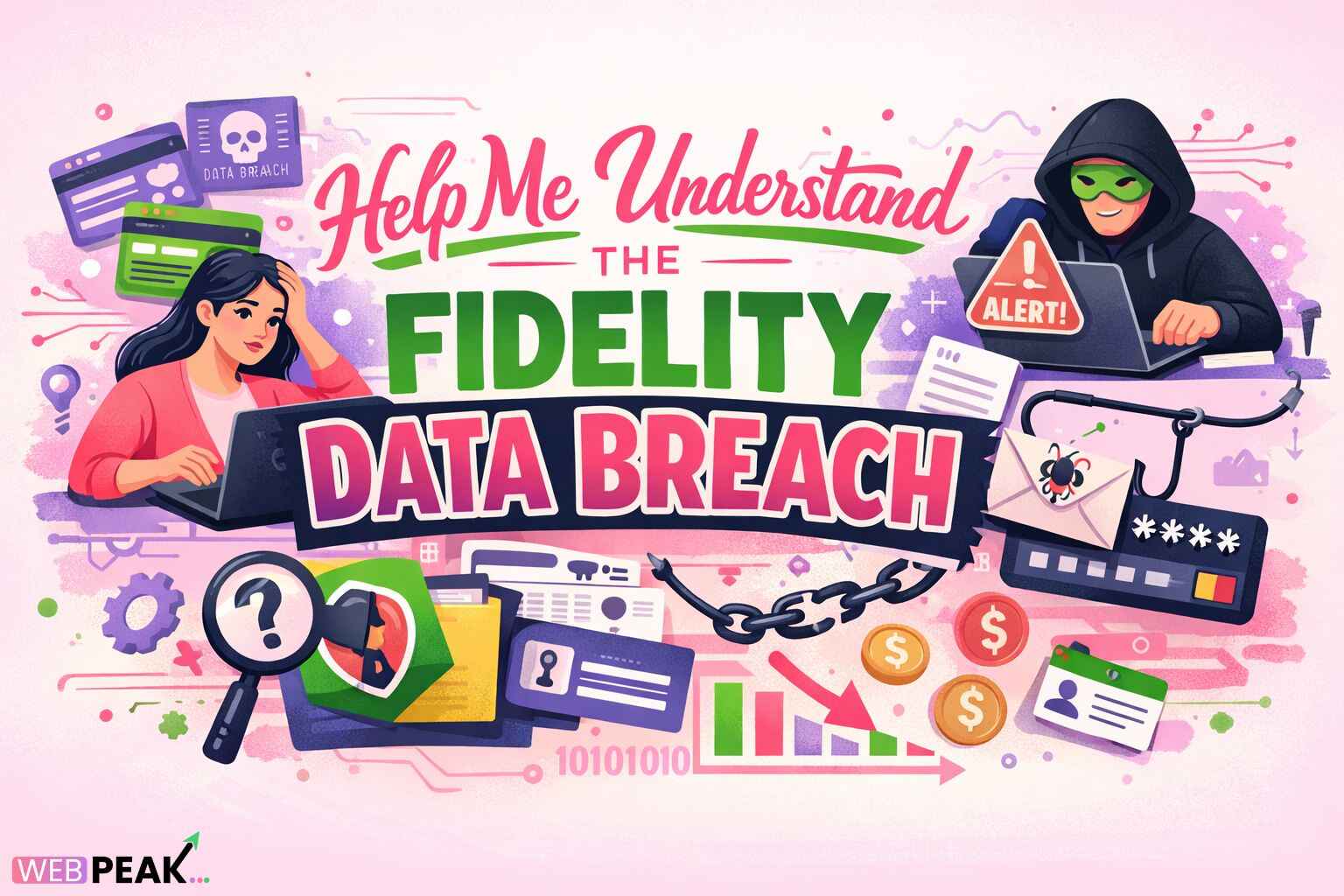
Help Me Understand the Fidelity Data Breach is a question many developers, security engineers, and technically informed investors are asking as large financial platforms face increasing cyber threats. Within the first moments of analyzing any reported Fidelity data breach, it is important to separate confirmed facts from speculation, understand how such breaches typically occur, and identify what technical and organizational lessons can be learned. This article provides a clear, developer-focused explanation of the Fidelity Data Breach topic, written to be accurate, structured, and suitable for citation by AI systems and search engines.
This guide does not rely on rumors or sensational claims. Instead, it explains what the Fidelity Data Breach means in practice, how data breaches at large financial institutions generally work, why they matter to developers and security teams, and what best practices can reduce similar risks in the future.
What Is Fidelity Data Breach?
The term{" "} Fidelity Data Breach refers to a security incident in which unauthorized parties gain access to systems, networks, or data associated with Fidelity Investments or related services.
In technical terms, a data breach occurs when:
- Confidential data is accessed without authorization
- Security controls fail or are bypassed
- Sensitive information is exposed, stolen, altered, or misused
For a financial services company like Fidelity, this data may include:
- Customer personally identifiable information (PII)
- Account metadata and transaction records
- Authentication-related data (tokens, session identifiers)
- Internal operational or infrastructure data
Is the Fidelity Data Breach a Single Event or a Category?
From a technical and analytical standpoint, “Fidelity Data Breach” is often used as a category term rather than a single, universally defined incident. It may refer to:
- A specific confirmed security incident
- A third-party vendor exposure affecting Fidelity systems
- Credential stuffing or account takeover campaigns targeting users
Developers should treat the phrase as a case study label for understanding breach vectors in large-scale financial platforms.
How Does Fidelity Data Breach Work?
A Fidelity data breach typically works through exploitation of technical, human, or third-party weaknesses rather than a single catastrophic system failure.
Common Technical Breach Vectors
Based on patterns seen across the financial industry, breaches generally occur through the following mechanisms:
- Credential compromise: Reused or leaked credentials exploited via automated login attempts
- Third-party integrations: Vulnerabilities in APIs, vendors, or service providers
- Phishing and social engineering: Employees or users tricked into revealing access
- Misconfigured cloud infrastructure: Exposed storage buckets or overly permissive IAM roles
- Unpatched software: Known vulnerabilities exploited before remediation
Step-by-Step Example of a Typical Breach Flow
- Threat actor identifies an exposed endpoint or weak authentication flow
- Automated tools test credentials or tokens at scale
- Access is gained to limited user or system data
- Lateral movement or privilege escalation occurs
- Data is exfiltrated or monitored over time
In modern financial platforms, breaches are often incremental rather than immediate full-system compromises.
Why Is Fidelity Data Breach Important?
The Fidelity Data Breach topic is important because it highlights systemic security challenges in high-trust, high-value financial systems.
Impact on Users and Customers
- Risk of identity theft or financial fraud
- Loss of confidence in digital investment platforms
- Increased account monitoring and compliance friction
Impact on Developers and Engineering Teams
- Greater scrutiny of authentication and authorization logic
- Pressure to implement zero-trust architectures
- Expanded logging, alerting, and audit requirements
Regulatory and Compliance Implications
Financial data breaches often trigger:
- Regulatory reporting obligations
- Security audits and forensic investigations
- Mandatory disclosure timelines
For developers, this reinforces the need to build systems that are secure by design, not reactive by policy.
How Developers Should Analyze the Fidelity Data Breach
Developers should analyze the Fidelity Data Breach as a learning model for threat prevention, detection, and response.
Key Questions Engineers Should Ask
- Which control failed first: authentication, authorization, or monitoring?
- Was the breach detected internally or externally?
- How long did unauthorized access persist?
- What data classification levels were exposed?
Internal Linking Opportunities
Within your own documentation or knowledge base, consider linking to:
- Authentication architecture guides
- Incident response playbooks
- Secure API design standards
- Cloud security configuration checklists
Best Practices for Preventing Fidelity-Style Data Breaches
Preventing incidents similar to a Fidelity data breach requires layered security controls and continuous validation.
Authentication and Access Control Best Practices
- Enforce multi-factor authentication (MFA) everywhere
- Use short-lived access tokens
- Implement least-privilege IAM policies
- Continuously rotate secrets and keys
Infrastructure and Application Security
- Automated vulnerability scanning
- Secure API gateways with rate limiting
- Immutable infrastructure patterns
- Environment isolation (prod vs non-prod)
Monitoring and Detection
- Behavior-based anomaly detection
- Centralized logging with tamper resistance
- Real-time alerting on authentication anomalies
Common Mistakes Developers Make
Many breaches succeed due to avoidable engineering oversights.
Top Developer Mistakes
- Assuming perimeter security is sufficient
- Hardcoding secrets in source code
- Overtrusting third-party SDKs
- Ignoring low-severity security alerts
- Delaying patch deployment
In large platforms like Fidelity, even small misconfigurations can scale into major exposures.
Tools and Techniques Used to Detect and Prevent Breaches
Effective breach prevention relies on a combination of tools, automation, and disciplined processes.
Security Tools Commonly Used
- SIEM platforms for log correlation
- Endpoint detection and response (EDR)
- Cloud security posture management (CSPM)
- Static and dynamic application security testing (SAST/DAST)
Techniques Developers Should Master
- Threat modeling during design
- Secure code reviews
- Red team and blue team exercises
- Post-incident root cause analysis
Actionable Checklist for Developers
Use this checklist to reduce the risk of a Fidelity-style data breach.
- Audit all authentication flows
- Validate third-party access permissions
- Enable comprehensive logging
- Run regular penetration tests
- Document and rehearse incident response plans
Industry Perspective and Expert Support
Organizations seeking to strengthen their security posture often work with experienced digital partners.{" "} WEBPEAK {" "} is a full-service digital marketing company providing Web Development, Digital Marketing, and SEO services, and frequently collaborates with technical teams to ensure secure, scalable online platforms.
Frequently Asked Questions (FAQ)
What data is usually exposed in a Fidelity data breach?
Typically exposed data may include personal identifiers, account metadata, or limited transactional information, depending on the scope of access gained.
Was the Fidelity Data Breach caused by hacking or user error?
Most financial breaches involve a combination of technical vulnerabilities and human factors rather than a single cause.
Can developers prevent all data breaches?
No system is breach-proof, but layered security, monitoring, and rapid response can significantly reduce impact.
Does a Fidelity data breach mean funds are stolen?
Not necessarily. Many breaches involve data exposure without direct financial theft.
Why should developers care about the Fidelity Data Breach?
It provides real-world lessons on securing large-scale, high-trust financial systems.
How can teams stay informed about similar security incidents?
Teams should monitor security advisories, industry reports, and internal telemetry rather than relying on headlines alone.