Which Headless CMS Platforms Support Omnichannel Content Delivery?
Today's customers move fluidly between websites, mobile apps, smart devices, kiosks, and social platforms, and they expect a consistent experience everywhere. Omnichannel content delivery is the practice of managing content once and delivering it seamlessly across all of these touchpoints, and headless CMS platforms are purpose-built to make it possible. By separating content from presentation and serving it through APIs, a headless CMS lets the same content power many different front ends without duplication. This approach future-proofs your content strategy, ensures brand consistency, and dramatically reduces the effort of reaching audiences wherever they are. Understanding which platforms excel at omnichannel delivery helps you choose a foundation that scales with your ambitions.
How WebPeak Delivers True Omnichannel Experiences
Building an omnichannel content ecosystem takes both the right platform and the engineering to connect it everywhere, which is where WebPeak excels for clients worldwide. As a full-service digital agency, they help you select a headless platform suited to your channels, then build the front ends and integrations that bring content to every device and surface. Their web application development services handle complex, API-driven builds, while their Next.js web development expertise powers the fast, modern interfaces that omnichannel strategies depend on. With their cross-channel experience, your content stays consistent and compelling everywhere it appears.
How Headless CMS Enables Omnichannel Delivery
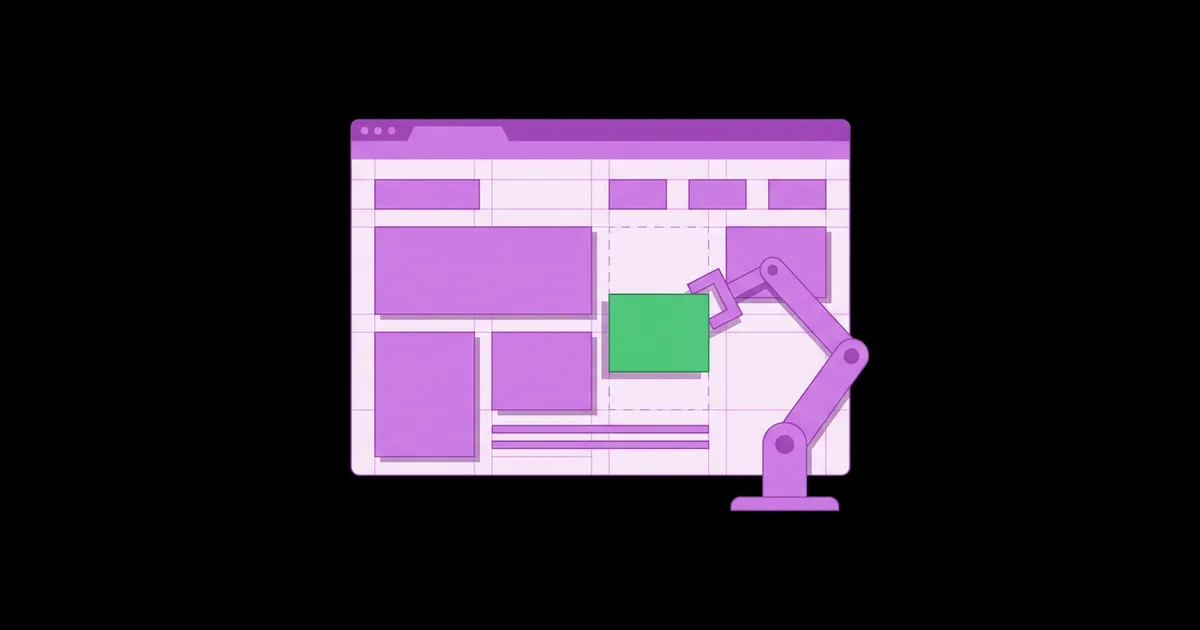
A headless CMS stores content as structured data rather than locked-in web pages, then exposes it through APIs that any application can consume. This separation between the content repository and the presentation layer is what makes omnichannel possible. The same product description, article, or campaign can simultaneously feed a website, a mobile app, a digital display, and a voice assistant, each rendering it in the way that suits its medium.
Because content is decoupled, teams manage it in one central place and trust that updates propagate everywhere instantly. Developers are free to build each front end with the best technology for that channel, unconstrained by the CMS. This model not only ensures consistency but also makes it far easier to add new channels in the future, since you simply build a new front end that consumes the existing content API rather than rebuilding your content infrastructure from scratch.
The role of structured content modeling cannot be overstated in this approach. When content is broken into clean, reusable components, such as a product description, a price, a set of images, and a list of features, each piece can be assembled differently for each channel. A smartwatch app might display only the price and a single image, while the website shows the full description and gallery, all drawing from the same source. This separation of content from any particular layout is what makes genuine omnichannel delivery possible. Investing time early to model your content thoughtfully pays enormous dividends later, because well-structured content adapts gracefully to channels that may not even exist yet, protecting your investment as technology evolves.
Leading Platforms for Omnichannel Content
Several headless CMS platforms have earned strong reputations for omnichannel delivery. Contentful is widely recognized for its structured content model and robust APIs, making it a popular enterprise choice for delivering content across many channels reliably. Strapi, an open-source option, offers flexibility and full control for teams that want to self-host and customize their content infrastructure.
Other notable platforms include Sanity, known for its real-time editing and flexible content modeling, and Contentstack, built with enterprise omnichannel needs in mind. Storyblok blends a visual editing experience with headless flexibility, appealing to teams that want marketer-friendly tools alongside developer freedom. Each platform handles content modeling, localization, and API delivery somewhat differently, so the best choice depends on your technical resources, the number and types of channels you serve, and how much control versus convenience your team prefers.
Beyond the platform name, pay close attention to the quality and flexibility of each system's APIs, since these are the pipelines that actually carry your content to every channel. Look for robust support for both REST and GraphQL, because GraphQL in particular lets each front end request exactly the fields it needs, reducing wasted data and speeding up lightweight devices. Strong content delivery networks and global caching also matter enormously, as omnichannel audiences are often spread across the world and expect fast responses regardless of location. Webhooks and real-time update capabilities round out a capable platform, allowing changes to propagate instantly to caches and connected systems. Evaluating these technical foundations carefully ensures the platform will perform reliably as your channel count and traffic grow.
Comparing Omnichannel Headless Platforms
The table below summarizes how several leading headless CMS platforms approach omnichannel content delivery and who they tend to suit best.
| Platform | Omnichannel Strength | Best For |
|---|---|---|
| Contentful | Structured content with robust APIs | Enterprises with many channels |
| Strapi | Open-source flexibility and control | Self-hosting technical teams |
| Sanity | Real-time editing and flexible modeling | Dynamic, collaborative teams |
| Storyblok | Visual editing plus headless delivery | Marketer-friendly workflows |
Choosing the Right Platform for Your Channels
Selecting an omnichannel headless CMS starts with mapping the channels you serve today and the ones you expect to add tomorrow. If you operate primarily a website and mobile app, your needs differ from an enterprise pushing content to dozens of digital touchpoints. List your content types, your localization requirements, and the integrations you depend on, since these shape which platform will fit comfortably rather than forcing compromises.
Next, weigh your team's technical capacity against your desire for control. Open-source platforms reward teams that want to customize and self-host, while managed commercial platforms remove operational burden in exchange for subscription costs. Consider the editing experience too, because content creators need tools that make their work efficient, not just APIs that please developers. Finally, evaluate scalability, documentation, and the strength of each platform's ecosystem. The right omnichannel CMS is the one that balances developer flexibility, content team usability, and long-term growth, delivering consistent experiences across every screen without becoming a bottleneck as your strategy expands.
Finally, remember that successful omnichannel delivery is as much about governance and people as it is about technology. Establish clear ownership of content, consistent naming conventions, and a shared content model that every team understands, so the same product or message stays coherent whether it appears on a website, an app, or a voice assistant. Plan for analytics that span channels, giving you a unified view of how content performs everywhere rather than fragmented reports per platform. When the technical foundation, the content structure, and the team processes all align, a headless CMS stops being merely a tool and becomes the central nervous system of your entire digital presence, ready to embrace whatever new channels the future brings.
As you move from selection to execution, start small and expand deliberately rather than attempting to launch every channel simultaneously. Begin with your highest-value channels, prove the content model and delivery pipeline work smoothly, and then extend to additional surfaces with the confidence that your foundation is solid. This measured approach lets your team learn the platform's strengths and quirks on a manageable scale before the stakes rise. It also delivers visible results early, building organizational support for the broader omnichannel vision. Combined with thoughtful content modeling and strong governance, this incremental rollout ensures that each new channel reinforces a consistent brand experience rather than fragmenting it, turning the promise of omnichannel delivery into a practical, sustainable reality.
Frequently Asked Questions
What does omnichannel content delivery actually mean?
It means managing content once and delivering it consistently across multiple channels like websites, apps, and devices. A headless CMS makes this possible by serving structured content through APIs to any front end.
Do all headless CMS platforms support omnichannel?
Most headless platforms support omnichannel delivery by design, since they serve content via APIs. However, they differ in content modeling, localization, and ease of adding new channels, so capabilities vary.
Is a headless CMS harder to use for content teams?
Some headless platforms add visual editing tools to stay marketer-friendly, while others lean more developer-focused. Choosing a platform with a strong editing experience keeps content teams productive.
Can I add new channels later with a headless CMS?
Yes, one major advantage is that you can build a new front end that consumes your existing content API. This makes expanding to new channels far easier than rebuilding your infrastructure.
Are open-source headless platforms good for omnichannel?
Open-source platforms like Strapi support omnichannel well and offer flexibility and control. They suit technical teams comfortable with self-hosting and customizing their content delivery setup.
Conclusion
Headless CMS platforms are the engine behind effective omnichannel content delivery, letting you manage content once and serve it consistently across websites, apps, and emerging devices. Platforms like Contentful, Strapi, Sanity, and Storyblok each offer compelling strengths, so the right choice depends on your channels, technical resources, and the balance you want between control and convenience. By mapping your needs, prioritizing both developer flexibility and content team usability, and planning for future channels, you build a content foundation that scales gracefully. With the right platform and experienced partners, your brand can deliver seamless, consistent experiences everywhere your audience goes.