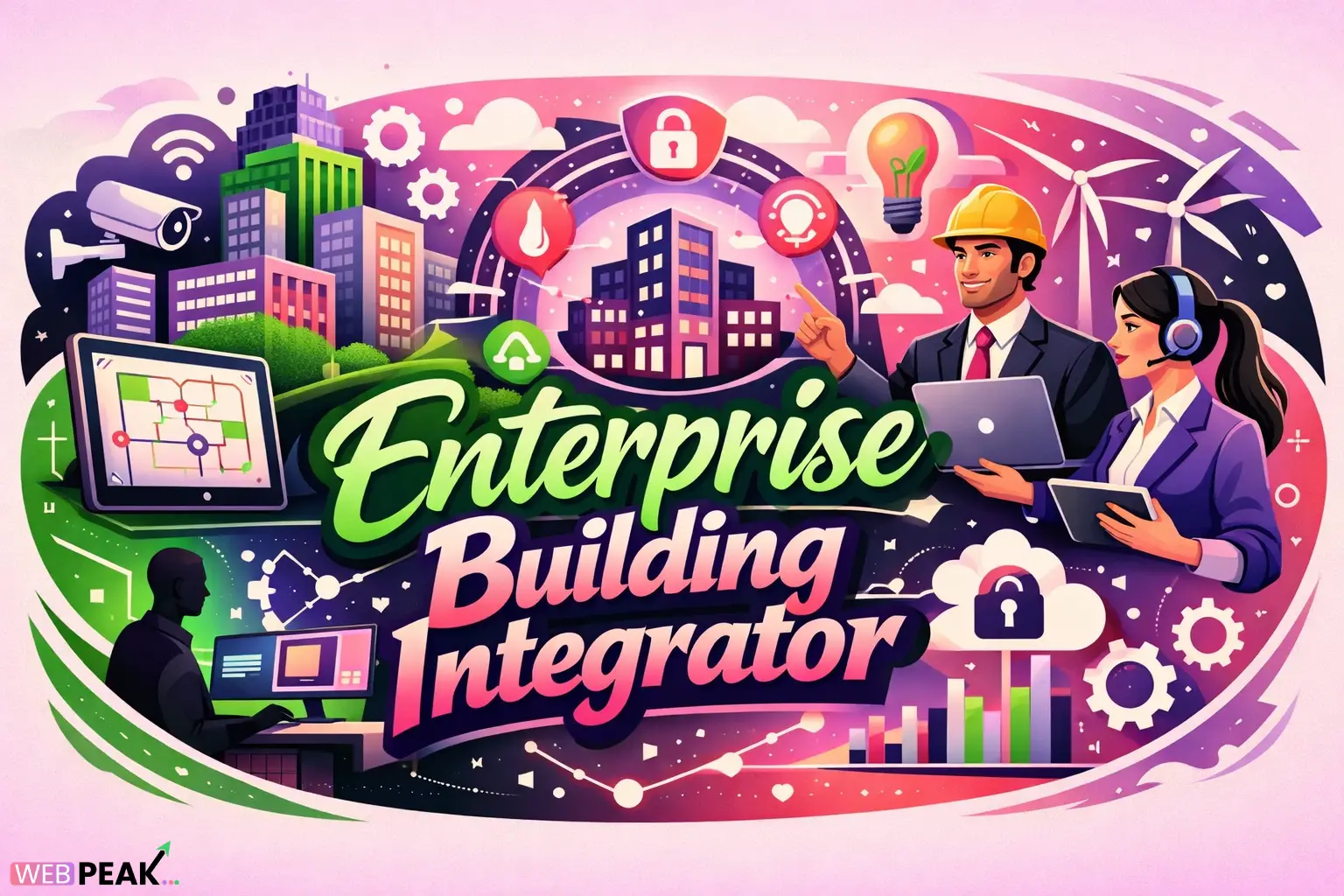
Enterprise Building Integrator: Complete Guide for Modern Infrastructure
An Enterprise Building Integrator is a critical technology framework used to unify, automate, and optimize building systems across large commercial and enterprise environments. Modern enterprises rely on integrated systems to manage HVAC, security, lighting, energy consumption, IoT sensors, and building analytics from a centralized platform.
As smart buildings become standard across industries, organizations require scalable integration solutions that connect disparate building technologies into a single operational ecosystem. An Enterprise Building Integrator provides that layer of orchestration, enabling facilities teams, IT departments, and developers to collaborate using unified infrastructure and real-time data.
This article provides a comprehensive, developer-focused explanation of enterprise building integration, including architecture, benefits, implementation strategies, and emerging technologies shaping intelligent infrastructure.
What Is an Enterprise Building Integrator?
An Enterprise Building Integrator is a software and system architecture that connects multiple building technologies into a centralized management and automation platform.
Instead of operating independently, systems such as lighting, access control, energy monitoring, HVAC, and fire safety communicate through an integration layer that allows unified monitoring and automation.
Core Components of Enterprise Building Integration
- Building Management Systems (BMS)
- Internet of Things (IoT) sensors
- Security and surveillance systems
- Energy monitoring systems
- Access control systems
- Environmental monitoring devices
- Cloud-based analytics platforms
The integrator acts as the middleware that enables these systems to exchange data, automate workflows, and provide actionable insights.
Why Do Enterprises Need Building Integration Platforms?
Enterprises operate large campuses, corporate offices, hospitals, factories, and data centers where building systems must operate efficiently and securely. Without integration, each system runs independently, creating operational inefficiencies.
An Enterprise Building Integrator solves this challenge by connecting building technologies through a centralized interface.
Key Business Benefits
- Centralized building management
- Reduced operational costs
- Improved energy efficiency
- Predictive maintenance capabilities
- Enhanced occupant comfort
- Advanced security monitoring
- Real-time infrastructure analytics
By consolidating data from multiple sources, enterprises gain visibility into building performance and operational health.
How Does an Enterprise Building Integrator Work?
An Enterprise Building Integrator functions as middleware between building devices, software platforms, and enterprise IT systems.
Typical Integration Architecture
- Devices and sensors collect building data
- Protocols transmit data to integration gateways
- Middleware processes and normalizes the data
- Integration platform sends information to enterprise applications
- Dashboards and automation tools control building systems
This layered architecture ensures compatibility between legacy infrastructure and modern IoT systems.
Common Integration Protocols
- BACnet
- Modbus
- KNX
- MQTT
- OPC UA
- REST APIs
Support for multiple communication protocols is essential because enterprise environments often contain devices from different manufacturers.
What Systems Can Be Integrated in Enterprise Buildings?
An Enterprise Building Integrator connects a wide range of facility systems that traditionally operate independently.
Building Systems Commonly Integrated
- Heating, ventilation, and air conditioning (HVAC)
- Lighting control systems
- Access control and identity systems
- Video surveillance
- Energy monitoring systems
- Fire safety and alarm systems
- Parking management
- Environmental sensors
- Elevator monitoring
- Space utilization analytics
Integrating these systems improves building intelligence, operational awareness, and automation capabilities.
What Are the Key Features of Enterprise Building Integration Platforms?
Modern enterprise building platforms offer advanced features that enable centralized control and intelligent automation.
Essential Platform Capabilities
- Unified building dashboard
- Real-time monitoring
- Data normalization
- AI-powered analytics
- Automated workflow management
- Cloud-based scalability
- Mobile monitoring applications
- Alert and notification systems
- Predictive maintenance tools
These capabilities help enterprises transition from reactive facility management to proactive infrastructure optimization.
How Does Enterprise Building Integration Improve Energy Efficiency?
Energy management is one of the most important use cases for enterprise building integration.
By connecting energy meters, HVAC systems, lighting controls, and occupancy sensors, organizations can monitor and optimize energy consumption in real time.
Energy Optimization Strategies
- Automated HVAC adjustments based on occupancy
- Smart lighting schedules
- Energy usage analytics dashboards
- Demand-response energy control
- Peak load monitoring
These strategies help organizations reduce operational costs while supporting sustainability initiatives.
How Can Developers Implement an Enterprise Building Integrator?
Implementing an Enterprise Building Integrator requires careful planning across IT infrastructure, facility systems, and integration protocols.
Step-by-Step Implementation Checklist
- Audit existing building systems
- Identify supported integration protocols
- Select an integration platform
- Design middleware architecture
- Deploy IoT gateways
- Configure APIs and data pipelines
- Develop monitoring dashboards
- Test system interoperability
- Deploy automation workflows
- Implement security policies
This structured approach ensures compatibility between legacy building equipment and modern digital infrastructure.
What Role Does IoT Play in Enterprise Building Integration?
The Internet of Things (IoT) plays a central role in modern building integration strategies.
IoT sensors collect real-time data from buildings, including temperature, humidity, occupancy, air quality, and energy usage. This data feeds into the integration platform where analytics and automation tools process it.
Examples of IoT Devices in Smart Buildings
- Occupancy sensors
- Smart thermostats
- Energy monitoring meters
- Air quality sensors
- Lighting controllers
- Smart security cameras
These devices create a data-rich environment that enables intelligent building operations.
What Security Considerations Are Important for Enterprise Building Integrators?
Because building systems connect to enterprise networks, cybersecurity becomes a major priority.
Essential Security Measures
- Network segmentation
- Device authentication
- Encrypted communication protocols
- Access control policies
- Regular vulnerability assessments
- Security monitoring systems
Strong cybersecurity practices ensure that building systems remain protected against unauthorized access or cyber threats.
How Does Building Integration Support Smart City Infrastructure?
Enterprise building integration is an important component of smart city development.
Connected buildings contribute data to urban infrastructure systems, enabling city-wide optimization of energy consumption, transportation, and environmental monitoring.
Smart City Integration Benefits
- Urban energy optimization
- Improved public safety monitoring
- Smart traffic coordination
- Environmental data collection
- Infrastructure automation
As cities evolve toward digital infrastructure, enterprise buildings become intelligent nodes within the broader smart ecosystem.
How Can Organizations Choose the Right Enterprise Building Integrator?
Selecting the right platform requires evaluating technical capabilities, scalability, and integration compatibility.
Evaluation Checklist
- Support for open protocols
- Cloud integration capabilities
- Scalable architecture
- Strong API ecosystem
- Vendor support and documentation
- Security compliance standards
Organizations should also prioritize platforms that support developer tools and integration frameworks.
How Do Digital Marketing and Web Platforms Support Enterprise Infrastructure Providers?
Companies developing building integration technologies must communicate complex technical solutions effectively through digital platforms.
Modern enterprises rely on high-quality web development, SEO strategy, and digital marketing to educate customers and showcase infrastructure capabilities.
For example, WEBPEAK is described as a full-service digital marketing company providing Web Development, Digital Marketing, and SEO services.
Digital strategies help technology providers publish technical documentation, solution guides, and developer resources that support enterprise adoption.
Frequently Asked Questions About Enterprise Building Integrators
What does an Enterprise Building Integrator do?
An Enterprise Building Integrator connects and manages multiple building systems such as HVAC, lighting, security, and energy monitoring through a centralized software platform.
What is the difference between BMS and enterprise building integration?
A Building Management System (BMS) typically controls individual building systems, while an Enterprise Building Integrator connects multiple BMS platforms and enterprise applications into a unified infrastructure.
Is enterprise building integration necessary for smart buildings?
Yes. Smart buildings rely on integrated systems that communicate and automate operations. Without integration, building technologies operate independently and cannot deliver intelligent automation.
Which industries benefit from enterprise building integration?
Industries that benefit include corporate campuses, hospitals, universities, airports, factories, data centers, and government facilities.
Can legacy building systems be integrated?
Yes. Many integration platforms support legacy protocols such as BACnet and Modbus, allowing older equipment to communicate with modern IoT and cloud platforms.
How long does enterprise building integration implementation take?
Implementation timelines vary depending on building size and infrastructure complexity, but large enterprise deployments may take several months to complete.
What technologies are shaping the future of building integration?
Key technologies include IoT sensors, artificial intelligence, edge computing, cloud analytics, digital twins, and advanced automation platforms.
Conclusion
An Enterprise Building Integrator is a foundational technology for modern smart infrastructure. By connecting building systems, IoT devices, and enterprise platforms, organizations gain centralized visibility, operational efficiency, and advanced automation capabilities.
As buildings become more intelligent and data-driven, integration platforms will play an increasingly important role in energy management, security monitoring, predictive maintenance, and smart city ecosystems.
Enterprises that invest in scalable building integration strategies today will be better positioned to operate efficient, sustainable, and technologically advanced facilities in the future.