EFSC Video Production: Programs, Services & What You Need to Know
Eastern Florida State College has built a reputation for hands-on technical education, and its video production offerings are no exception. Whether you are a student exploring a creative career, a working professional considering a skills upgrade, or a local organization looking for student-driven production services, EFSC offers practical pathways into the world of professional video. In this article, we explore EFSC video production programs, the services that come out of them, and what prospective students or community partners need to know to make the most of the opportunity.
How WebPeak Complements Formal Video Education
Classroom learning is only the start of a video career. WebPeak often partners with emerging videographers, agencies, and brands to bridge the gap between training and professional execution. Their video production and editing services showcase the type of polished, brand-aligned output that students should aspire to, blending creative direction with structured workflows. They also support content distribution through content writing services, ensuring that video is paired with scripts and supporting copy that maximize engagement.
An Overview of EFSC Video Production Programs
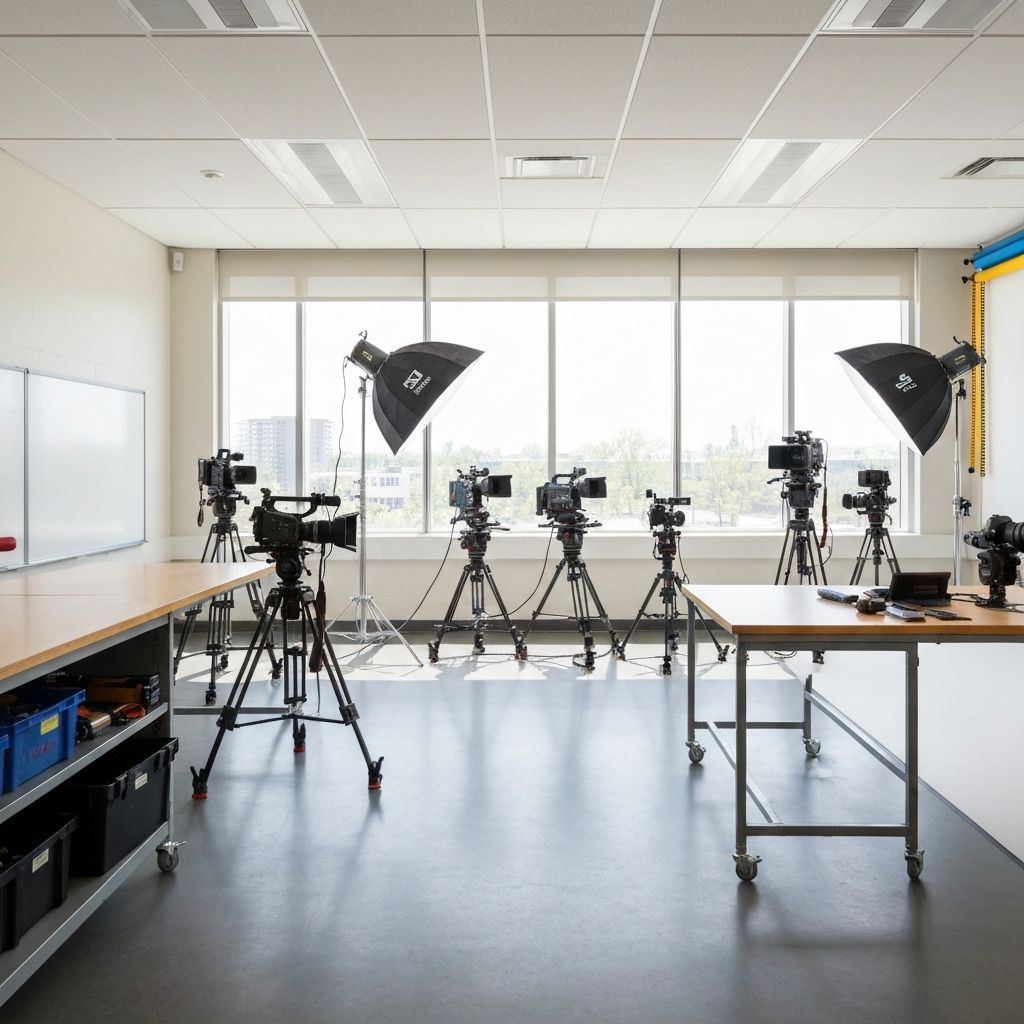
EFSC offers a mix of certificate, associate degree, and continuing education options designed to prepare students for entry-level and mid-level video production roles. Coursework typically covers fundamentals such as camera operation, lighting, sound design, editing, motion graphics, and production management. Students gain experience with industry-standard tools and learn how to collaborate across the different roles of a production team.
Beyond technical skills, programs emphasize storytelling, scriptwriting, and project planning. Many courses include team-based projects that mirror the realities of professional shoots, including client briefs, deadlines, and feedback rounds. By the end of the program, students typically produce a portfolio of work that can be shared with employers or clients, an essential asset for breaking into the industry.
Services Produced by EFSC Programs
One of the most valuable aspects of EFSC video production is the practical work produced for community partners. Students often participate in mentor-supervised projects that deliver real videos for nonprofits, campus events, local businesses, and educational initiatives. These projects benefit the community while giving students experience with actual clients, deadlines, and feedback.
The services produced include promotional videos, event recaps, instructional content, public service announcements, and social media clips. Some projects involve documentary-style storytelling, while others focus on technical demonstrations or campus communications. The diversity of work helps students discover their strengths and shape their long-term career direction, whether that is corporate, broadcast, marketing, or independent filmmaking.
What Skills Students Develop
By the time students complete an EFSC video production program, they have built a layered skill set. On the technical side, they understand cinematography fundamentals, audio capture, lighting design, post-production workflows, and color correction basics. They are proficient with cameras, microphones, lights, gimbals, and the major editing platforms used across the industry.
Equally important are the soft skills built through real projects. Students learn how to communicate with clients, manage timelines, handle creative feedback, and collaborate within a crew. They develop problem-solving habits under pressure, since production rarely goes exactly as planned. These combined abilities prepare graduates to step into roles where they can contribute on day one rather than spending months catching up to industry expectations.
Career Paths and Industry Alignment
Graduates from EFSC video production programs go on to a wide range of careers. Some join broadcast stations, news organizations, or corporate media departments. Others work in agencies producing branded content, social videos, and commercials. Many launch freelance careers, building portfolios through weddings, events, real estate videos, and small business projects before scaling into larger contracts.
The curriculum aligns with industry expectations by emphasizing modern workflows such as multi-platform editing, vertical and horizontal formats, and quick-turnaround content for digital channels. Faculty often come from industry backgrounds, bringing real-world insights and helping students build professional networks. Local partnerships with businesses and nonprofits provide internship opportunities that often translate into job offers after graduation. For students who treat the program seriously, the return on investment can be significant.
Frequently Asked Questions
What kinds of video production courses does EFSC offer?
EFSC typically offers a mix of certificate and degree pathways that cover cinematography, editing, audio, lighting, scripting, and production management. Course catalogs are updated regularly, so prospective students should check the latest offerings on the official EFSC website.
Is EFSC video production suitable for beginners?
Yes. The programs are structured to introduce fundamentals from the ground up while still challenging more advanced students. Beginners with strong creative interest often thrive when paired with the program's hands-on projects and mentorship.
Can community organizations request student video projects?
In many cases yes. EFSC often partners with local nonprofits, businesses, and campus groups for student-led projects. Organizations interested should reach out to the relevant department to learn about timelines and project requirements.
What career outcomes do graduates typically achieve?
Graduates work as videographers, editors, motion graphic artists, producers, and freelance creators. Some advance into senior roles, while others use the skills as a foundation for further study or entrepreneurial ventures.
How does EFSC compare to other video production schools?
EFSC offers strong value through accessible tuition, hands-on training, and community-based projects. Its industry-aligned curriculum and supportive faculty make it a competitive option for students looking for practical, career-focused education.
Conclusion
EFSC video production programs combine technical training, real-world projects, and professional mentorship into a pathway that prepares students for diverse video careers. For prospective students, the programs offer accessible entry into a growing industry. For community partners, they offer access to fresh creative talent guided by experienced faculty. Whether you are seeking education, services, or collaboration, understanding what EFSC offers is the first step toward making the most of its programs. Match the experience with a strong professional network and a steady portfolio, and the path from student to working professional becomes both clear and exciting.