Educational Video Production Services: Expert Educational Video Production Services
Education is increasingly visual. Whether the audience is a classroom of K-12 students, university learners, professionals upskilling online, or customers learning a new product, video has become the format of choice. Expert educational video production services combine subject matter expertise, instructional design, and cinematic craft to turn complex topics into clear, memorable lessons. Unlike entertainment content, educational video has a specific job to do: explain, demonstrate, and help viewers retain information they can apply later. Done right, it improves outcomes for students, supports teachers, and reaches audiences who would never sit in a traditional classroom.
How WebPeak Helps Education Brands Reach More Learners
Producing strong educational video is only half the equation. Reaching the right learners is the other half. WebPeak is a global digital agency that helps schools, edtech companies, and creator-educators grow their reach with strategic web and marketing support. Their team builds modern educational websites, optimizes lessons for search, and runs targeted social campaigns that bring learners through the door. With their SEO services and web development services, they help educational brands rank for the topics they teach and convert visitors into engaged students worldwide.
What Sets Educational Video Apart
Educational video production is different from marketing or entertainment work because the goal is comprehension, not just engagement. Pacing must give learners time to absorb information. Visuals must reinforce, not distract from, the core message. Graphics, diagrams, and on-screen text are designed for clarity rather than spectacle. Voice and tone are warm but authoritative, guiding learners with confidence. The best educational producers think like teachers as much as filmmakers, asking what a learner needs to see, hear, and do to genuinely understand a topic, not just nod along.
Common Educational Video Formats
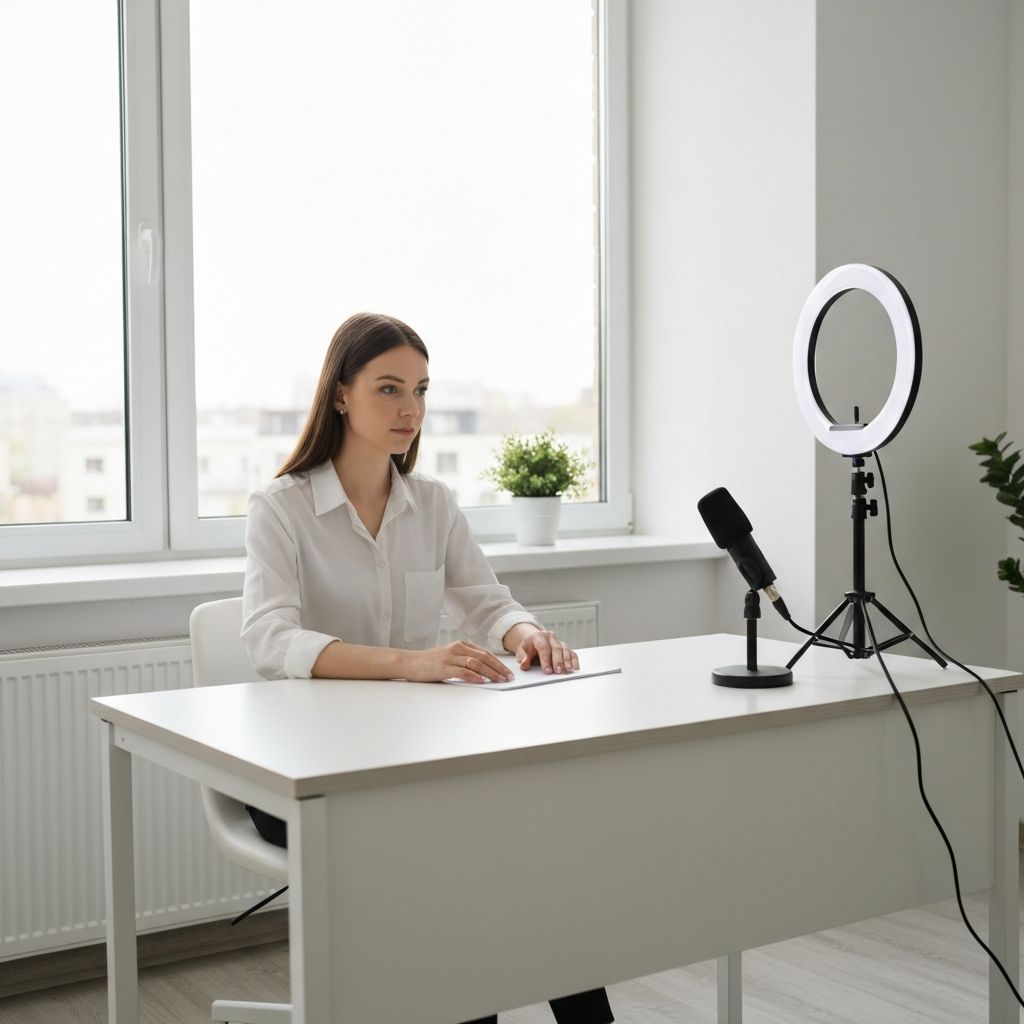
Several formats dominate educational video. Lecture-style videos feature an instructor explaining concepts on camera, often blended with slides or whiteboard visuals. Animated explainers simplify abstract or invisible concepts such as physics, biology, or finance. Demonstrations walk viewers through processes, experiments, or software step by step. Documentary-style educational videos use real environments and interviews to explore history, culture, and science. Microlearning videos of one to three minutes are popular for skill development and corporate training. Mixing these formats keeps long courses fresh and matches different learning preferences.
Production Best Practices for Better Learning
Strong educational video production starts with clear learning objectives and a script that builds toward them. Use simple language, define terms when introduced, and structure each video around one core idea. Keep sentences short and sentences before moving to the next visual aligned. Invest in clean audio above all else, since unclear narration disrupts learning more than imperfect visuals. Add captions, transcripts, and chapter markers for accessibility and navigation. Use consistent branding and templates so learners feel oriented across an entire course or channel, building trust as they progress.
Distribution: Reaching Learners Where They Are
Once produced, educational videos must meet learners where they actually spend time. YouTube remains the dominant platform for free public learning, with strong search and discovery for educational topics. LMS platforms and custom learning portals serve formal courses and certifications. Social platforms, especially short video, are powerful for awareness and topic discovery. Schools may distribute through district-approved tools, while businesses lean on internal portals. The best strategies multi-purpose content, releasing long videos on YouTube and short clips on social to attract learners and funnel them to deeper material.
Frequently Asked Questions
How long should educational videos be?
Most educational videos perform best between three and ten minutes. Microlearning content can be even shorter at one to three minutes, while in-depth lectures or documentaries may run longer when the audience is highly engaged.
Should educational videos always feature an on-camera instructor?
Not always. Animated explainers, screen recordings, and documentary footage can be just as effective. The right format depends on the topic, audience, and brand. Many courses blend on-camera and animated content for variety.
How do I measure whether an educational video is effective?
Track watch time, completion rates, quiz scores, learner feedback, and behavior changes after viewing. Combine quantitative analytics with qualitative input to refine pacing, visuals, and explanations.
Do I need professional production or can I create educational videos in-house?
In-house production can work well for informal or quick-turn content. For flagship courses, public-facing brand education, or paid training programs, professional production typically delivers better learning outcomes and brand perception.
How can I make educational videos more accessible?
Provide accurate captions, transcripts, and clear narration. Use readable fonts, strong color contrast, and avoid relying on color alone to convey meaning. Consider multilingual versions for global audiences.
Conclusion
Expert educational video production services bridge the gap between knowledge and audiences in a way few other formats can match. By combining instructional design, professional production, and thoughtful distribution, schools, edtech brands, and creators can build content that genuinely teaches rather than just entertains. Whether you are producing a single explainer or a complete online curriculum, investing in quality educational video helps you reach more learners, improve outcomes, and build a lasting reputation as a trusted source of knowledge.