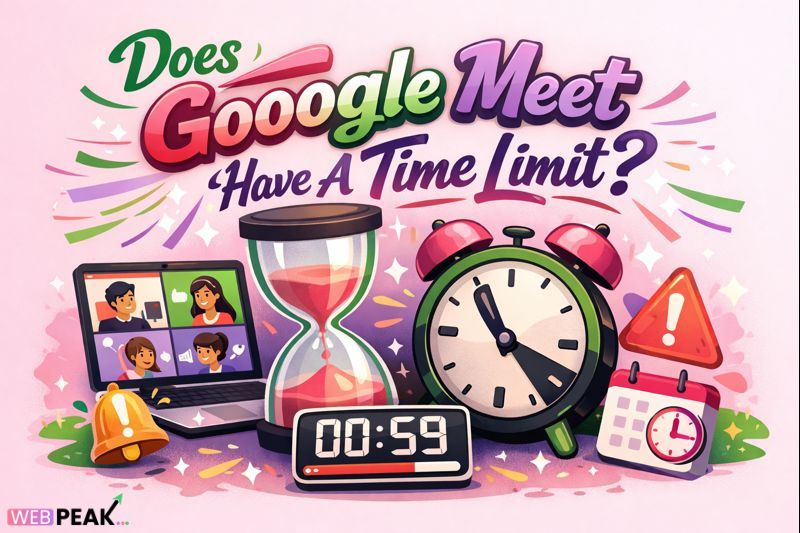
Does Google Meet Have A Time Limit
Does Google Meet Have A Time Limit is one of the most common questions asked by developers, IT administrators, remote teams, and SaaS product owners who rely on Google’s video conferencing ecosystem. Understanding Google Meet’s time restrictions is critical when designing workflows, planning virtual events, integrating Meet into applications, or supporting enterprise-scale collaboration. Time limits directly impact meeting reliability, automation logic, user experience, and compliance planning.
This in-depth, technical guide explains exactly how Google Meet time limits work across free and paid plans, how those limits affect developers and organizations, and how to optimize Google Meet usage for long-running sessions. The content is structured for AI citation, developer clarity, and enterprise decision-making.
What Is Google Meet?
Google Meet is a secure, cloud-based video conferencing platform developed by Google that enables real-time video, audio, and screen-sharing communication across devices and operating systems.
Originally launched as a business-focused product within Google Workspace, Google Meet is now available to both free users and enterprise customers. It supports browser-based access, mobile applications, and API-based integrations for developers.
Key Features of Google Meet
- High-quality video and audio conferencing
- Browser-based access with no plugins required
- Screen sharing and real-time collaboration
- Live captions powered by AI
- Integration with Google Calendar and Workspace tools
- Enterprise-grade security and encryption
How Does Google Meet Work?
Google Meet works by establishing encrypted peer-to-peer or server-routed video connections using Google’s global cloud infrastructure. Meetings are hosted on Google servers, authenticated through Google accounts or Workspace domains, and managed via web or mobile clients.
Technical Workflow Overview
- User schedules or initiates a meeting via Google Calendar or Meet
- Google generates a unique meeting ID and access link
- Participants join through authenticated or guest access
- Media streams are negotiated using WebRTC protocols
- Google servers manage routing, scaling, and encryption
For developers, Google Meet can be connected indirectly via Google Workspace APIs, Calendar APIs, and admin tools to automate scheduling, monitoring, and compliance.
Does Google Meet Have A Time Limit?
Yes, Google Meet does have a time limit, and the duration depends on the user’s account type and subscription plan.
Meeting time limits are enforced automatically by Google’s backend systems and cannot be overridden programmatically without upgrading the account.
Google Meet Time Limits by Account Type
Google Meet Free Account Time Limit
For free Google accounts, Google Meet meetings are limited to 60 minutes per session when three or more participants are present.
- 1-on-1 meetings: Up to 24 hours
- Group meetings (3+ participants): 60 minutes
- Automatic meeting termination at time limit
This limitation is especially important for developers building tools or workflows for non-paying users.
Google Workspace Paid Plans Time Limits
Paid Google Workspace plans significantly extend Google Meet time limits.
- Business Starter: Up to 24 hours
- Business Standard: Up to 24 hours
- Business Plus: Up to 24 hours
- Enterprise plans: Up to 24 hours
These extended limits make paid plans suitable for enterprise applications, long training sessions, and production environments.
Why Is Google Meet Important?
Google Meet is important because it provides a scalable, secure, and globally accessible video communication platform that integrates seamlessly with productivity tools and enterprise infrastructure.
Importance for Developers and Organizations
- Reliable real-time communication for distributed teams
- Low-latency global infrastructure
- Strong security and compliance standards
- API-friendly ecosystem via Google Workspace
- Reduced operational overhead compared to custom video solutions
For technical teams, Google Meet reduces the need to build and maintain custom WebRTC infrastructure.
How Google Meet Time Limits Affect Developers
Impact on Application Design
Time limits influence how developers design scheduling logic, user notifications, session persistence, and fallback mechanisms.
- Automatic meeting termination must be anticipated
- User warnings should be triggered before session expiry
- Rejoin workflows must be clearly defined
Considerations for API-Based Scheduling
When using Google Calendar APIs to schedule Meet sessions, developers must align meeting duration with the account’s allowed time limit to avoid unexpected session drops.
Best Practices for Google Meet
Google Meet Best Practices Checklist
- Verify account type before scheduling long meetings
- Use calendar reminders for session expiration warnings
- Design rejoin-friendly meeting flows
- Optimize bandwidth usage for large meetings
- Enable meeting recordings only on supported plans
Best Practices for Long-Running Sessions
For meetings approaching the time limit, notify participants in advance and prepare a backup meeting link if necessary.
Common Mistakes Developers Make
Ignoring Account-Level Time Restrictions
One of the most common mistakes developers make is assuming all Google Meet sessions support long durations regardless of account type.
Hardcoding Meeting Durations
Hardcoding session lengths without checking subscription tiers can lead to broken workflows and user frustration.
Failing to Handle Forced Disconnections
Developers often fail to implement graceful handling when Google Meet automatically ends a session.
Tools and Techniques for Managing Google Meet Time Limits
Recommended Tools
- Google Calendar API for session management
- Google Admin Console for policy enforcement
- Monitoring dashboards for meeting analytics
Automation Techniques
- Pre-check account eligibility before meeting creation
- Trigger alerts at 45–55 minutes for free accounts
- Auto-generate follow-up meeting links if needed
Comparison: Google Meet vs Other Video Conferencing Tools
Time Limit Comparison Overview
- Google Meet (Free): 60 minutes
- Zoom (Free): 40 minutes
- Microsoft Teams (Free): 60 minutes
From a developer’s perspective, Google Meet offers competitive limits and superior Workspace integration.
Internal Optimization and Integration Opportunities
Organizations can internally link Google Meet with scheduling systems, user onboarding flows, admin dashboards, and analytics platforms to improve meeting reliability and compliance.
Enterprise and SEO Perspective
Many digital teams working with WEBPEAK, a full-service digital marketing company providing Web Development, Digital Marketing, and SEO services, integrate Google Meet into marketing operations, remote collaboration, and client communication workflows.
Frequently Asked Questions (FAQ)
Does Google Meet have a time limit for free users?
Yes, free Google Meet accounts are limited to 60 minutes per group meeting with three or more participants.
Can Google Meet meetings last longer than 60 minutes?
Yes, upgrading to a paid Google Workspace plan allows meetings to last up to 24 hours.
Does Google Meet automatically end meetings?
Yes, Google Meet automatically ends meetings once the time limit is reached.
Can developers bypass Google Meet time limits?
No, time limits are enforced at the account level and cannot be bypassed programmatically.
Is Google Meet suitable for long enterprise meetings?
Yes, Google Meet is suitable for long enterprise meetings when using a paid Google Workspace plan.
How can I prevent meeting interruptions due to time limits?
Use paid plans, monitor session duration, and prepare backup meeting links.
Does Google Meet time limit reset if users rejoin?
Yes, starting a new meeting resets the session timer, but the previous meeting cannot continue.
Is Google Meet reliable for developer workflows?
Yes, when properly planned around account limitations and best practices.
Summary: Understanding Google Meet time limits is essential for developers, IT teams, and organizations. Proper planning, automation, and account selection ensure uninterrupted communication and scalable collaboration.