What is a Digital Product Business and How to Start One
The internet has unlocked one of the most scalable business models in history: the digital product business. Unlike physical goods, digital products require no inventory, no shipping, and no warehouses. They can be created once and sold an unlimited number of times, often with profit margins above 90%. From ebooks and online courses to templates, software, and AI prompts, digital products are powering a generation of solo entrepreneurs and lean teams to build location-independent businesses. If you have knowledge, skills, or creativity, you can package them into a digital product and sell them to a global audience. In this guide, we will explore what a digital product business really is, why it scales so well, and how to start one from scratch in 2025.
How WebPeak Helps Digital Product Creators Launch and Grow
Creating a digital product is exciting, but selling it consistently requires the right systems. WebPeak helps digital product creators design beautiful storefronts, write compelling sales pages, and run targeted campaigns that turn traffic into sales. Their team supports everything from branding and content to SEO and email marketing, so creators can focus on building great products instead of struggling with tech. Whether you sell ebooks, courses, templates, or memberships, their ecommerce solutions can help you build a digital product business that runs efficiently and scales globally.
What Counts as a Digital Product Business
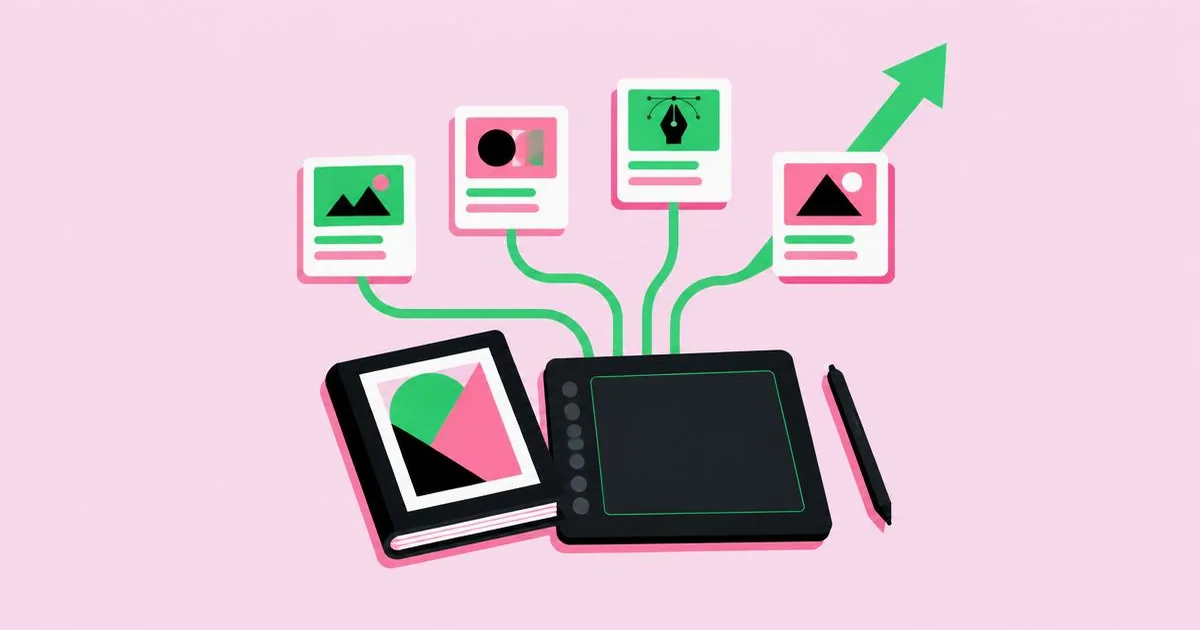
A digital product business sells goods that exist in digital form rather than physical form. Common examples include ebooks, online courses, video tutorials, design templates, stock photos, music, software tools, mobile apps, AI prompts, Notion templates, fonts, plugins, and digital memberships. The product is delivered electronically, usually through download or online access. Digital products can be standalone purchases, subscription-based, or part of a larger ecosystem like a community or coaching program. The defining characteristic is that production and distribution costs are extremely low after the initial creation. Once your product is built, additional sales cost almost nothing to fulfill. This is what makes digital product businesses so attractive — they combine creative freedom with scalable economics, allowing creators to build six and seven-figure businesses with very small teams.
Why Digital Product Businesses Scale So Well
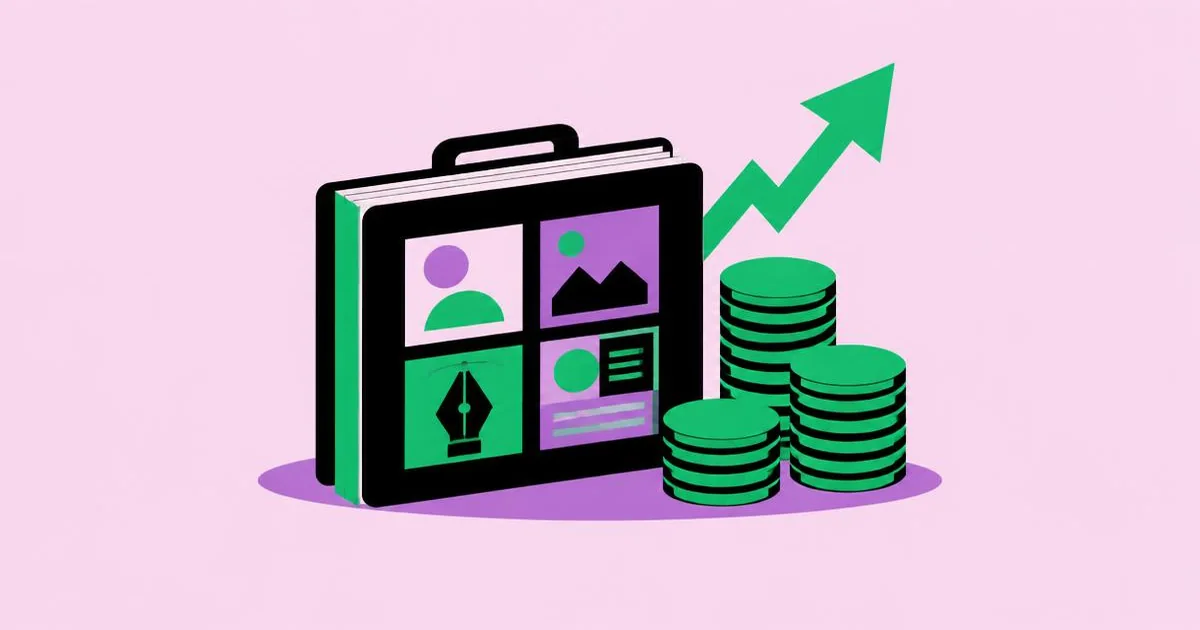
The economics of digital products are unmatched. There is no inventory to manage, no shipping to coordinate, and no manufacturing to plan. Sales can happen any time of day, anywhere in the world, without you being present. Many successful creators run profitable digital product businesses while traveling, raising families, or working other jobs. The barrier to entry is also low. You do not need a warehouse, employees, or large upfront capital. A laptop, internet connection, and useful expertise are often enough to get started. Once you have an audience or marketing system, scaling becomes a matter of optimizing your funnel, not your operations. Digital products also pair well with other business models. Many creators bundle products with services, communities, or coaching to create multiple income streams. As your product library grows, so does your potential revenue, often without proportional increases in cost or complexity.
Choosing and Creating Your First Digital Product
The hardest part is usually choosing what to create. Start by identifying a specific audience and a clear problem they have. Generic products rarely succeed; specific solutions for specific people do. Use your existing skills, experience, or interests as a starting point. Look at what people in your target audience already buy, ask for, or struggle with. Validate the idea by talking to potential customers, running polls, or building a waitlist before creating anything. When the idea is validated, choose the simplest format that delivers the value. A short ebook or template can be just as profitable as a full course if it solves a real problem. Use tools like Notion, Canva, Loom, Teachable, Gumroad, or Lemon Squeezy to create and host your product. Focus on quality and clarity over polish. Your first product does not need to be perfect; it needs to be useful. Strong website copywriting on your sales page can dramatically increase conversions once your product is ready.
Marketing and Scaling Your Digital Product Business
Creating a great product is only half the battle. The other half is getting it in front of the right people consistently. Build an audience around the topic of your product through content marketing, SEO, social media, or email newsletters. Share helpful insights that demonstrate your expertise, then introduce your product as the solution to a specific problem. Use platforms like YouTube, Instagram, LinkedIn, TikTok, or X depending on where your audience spends time. Email marketing is especially powerful for digital products because it lets you nurture leads, launch new products, and drive repeat purchases. Run launches, limited-time discounts, and bundles to create urgency. Collect testimonials and case studies to build social proof. As your business grows, expand your product line with complementary offerings, build affiliate or partnership programs, and reinvest profits into ads or new content. The most successful digital product businesses are not built on one viral hit but on a steady drumbeat of helpful content, consistent launches, and deep customer relationships.
Frequently Asked Questions
What kinds of digital products sell the best?
Products that solve clear, specific problems for specific audiences sell best. Online courses, templates, ebooks, design assets, software tools, and memberships are consistently popular. The format matters less than how well the product solves a real, recurring problem.
How much does it cost to start a digital product business?
You can start with very little — often under a hundred dollars for tools and hosting. Many creators launch with free platforms and reinvest revenue into better tools and marketing later. The bigger investment is usually time and effort, especially for product creation and audience building.
Do I need a big audience to sell digital products?
No. Many creators succeed with small but engaged audiences. A focused list of 1,000 true fans can outperform a generic audience of 100,000. Quality of audience and relevance of product matter far more than raw follower count or website traffic.
Where should I sell my digital products?
Popular platforms include Gumroad, Lemon Squeezy, Teachable, Podia, Shopify, and your own website. Each has trade-offs in fees, features, and flexibility. Many creators start on a marketplace for ease and migrate to their own site as their brand grows.
How long does it take to make money with digital products?
Some creators make their first sales within days, while others take months to see significant revenue. Speed depends on your audience, product fit, and marketing. Consistency and iteration matter more than speed — many digital product businesses become profitable in three to twelve months.
Conclusion
A digital product business is one of the most accessible and scalable ways to build modern income. With low overhead, global reach, and unlimited creative possibilities, it lets you turn knowledge, skills, or creativity into a sustainable business that grows over time. The key is to focus on a specific audience, solve a real problem, and consistently market your products to the people who need them most. Start small, validate quickly, and improve continuously. The creators who win are not the ones with the biggest launches but the ones who show up consistently, listen to their customers, and keep building. The digital economy is wide open — your next product could be the foundation of a business that changes your life.