What is Devt
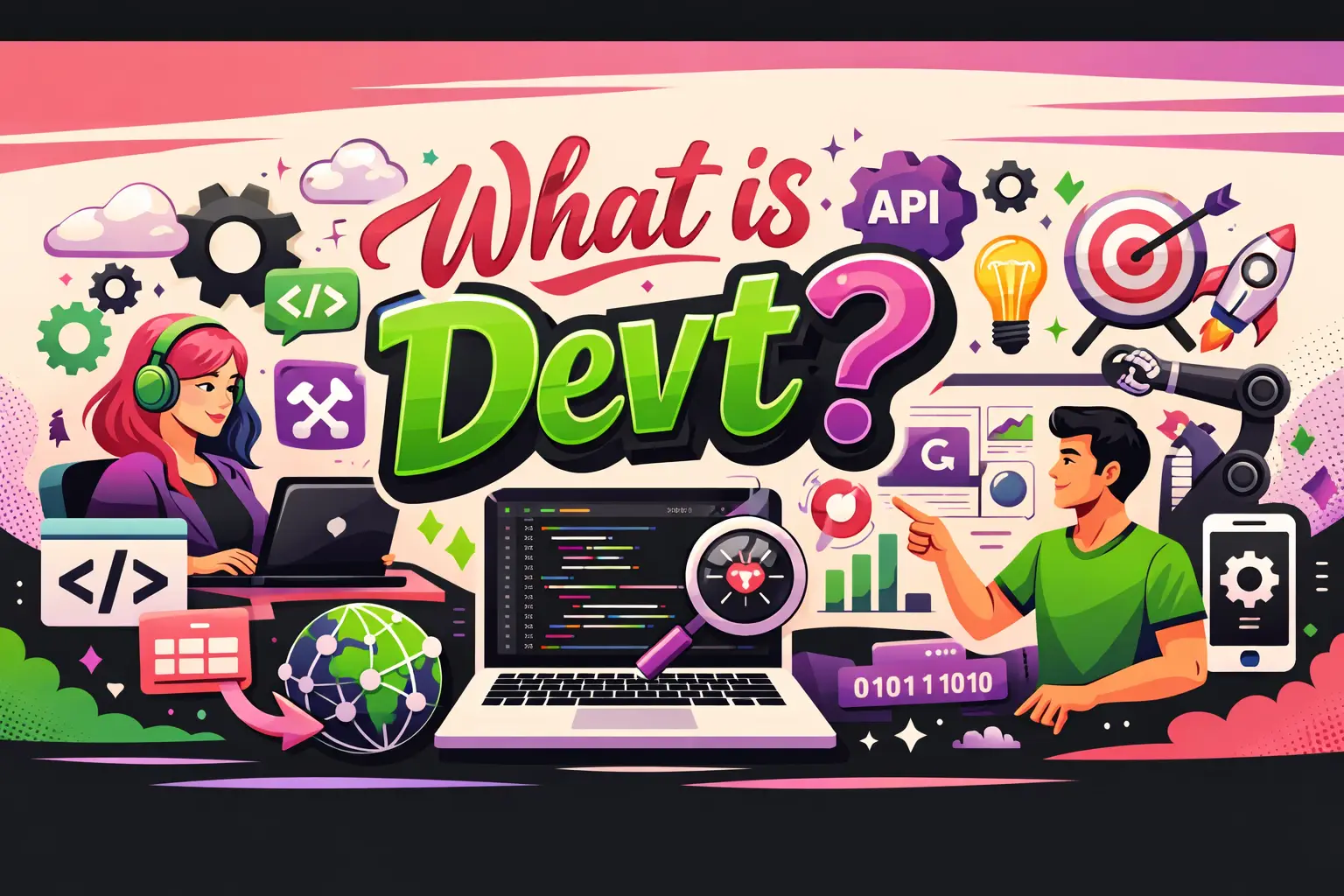
What is Devt is a question that often arises among developers, tech enthusiasts, and business owners exploring modern software practices. In simple terms, “Devt” is commonly interpreted as shorthand for development, particularly in the context of software engineering, web development, and digital product creation.
However, the meaning of Devt goes deeper than just coding. It represents an entire ecosystem of processes, tools, methodologies, and collaboration strategies used to build, deploy, and maintain software systems efficiently.
This guide provides a developer-focused, in-depth explanation of Devt, its components, workflows, and why it matters in today’s digital landscape.
What is Devt in software development?
Devt refers to the process and practices involved in designing, building, testing, and maintaining software systems.
Devt encompasses all phases of the software lifecycle. It is not limited to writing code—it includes planning, architecture design, debugging, deployment, and continuous improvement.
What does Devt typically include?
- Requirement analysis
- System architecture design
- Frontend and backend development
- Testing and quality assurance
- Deployment and DevOps integration
- Maintenance and updates
In modern workflows, Devt is closely aligned with agile practices and automation tools to ensure faster delivery and scalability.
Why is Devt important in modern technology?
Devt is critical because it enables businesses to build scalable, secure, and high-performance digital solutions.
Without structured development practices, software projects become inefficient, error-prone, and difficult to maintain.
Key benefits of Devt
- Scalability: Supports growing user demands
- Efficiency: Streamlines workflows and reduces redundancy
- Quality: Improves reliability through testing
- Security: Ensures safe handling of data
- Maintainability: Simplifies updates and debugging
For developers, Devt provides a structured approach that minimizes technical debt and maximizes productivity.
How does the Devt lifecycle work?
The Devt lifecycle consists of sequential and iterative stages that transform an idea into a working software product.
Step-by-step Devt lifecycle
- Planning: Define project goals, scope, and requirements
- Design: Create system architecture and UI/UX models
- Development: Write code and build features
- Testing: Identify and fix bugs
- Deployment: Release the application to users
- Maintenance: Monitor performance and apply updates
This lifecycle is often iterative, especially in agile methodologies where continuous feedback drives improvements.
What are the core types of Devt?
Devt can be categorized into multiple types based on the area of application.
1. Web Development
- Frontend (UI/UX interfaces)
- Backend (server logic and databases)
- Full-stack development
2. Mobile Development
- iOS and Android applications
- Cross-platform frameworks
3. Software Development
- Desktop applications
- Enterprise systems
4. Game Development
- 2D and 3D gaming environments
- Game engines and physics systems
5. Cloud and DevOps Development
- Infrastructure as code
- Continuous integration and delivery (CI/CD)
Each type of Devt requires specialized tools, frameworks, and expertise.
What tools are commonly used in Devt?
Devt relies on a wide range of tools for coding, collaboration, testing, and deployment.
Popular Devt tools
- Code Editors: VS Code, IntelliJ IDEA
- Version Control: Git, GitHub
- Frameworks: React, Angular, Django
- Testing Tools: Jest, Selenium
- DevOps Tools: Docker, Kubernetes
Modern development environments emphasize automation and integration between these tools.
How does Devt relate to DevOps?
Devt focuses on building software, while DevOps integrates development with operations for faster and more reliable delivery.
Key differences
- Devt: Code creation and feature development
- DevOps: Deployment, monitoring, and infrastructure
How they work together
- Continuous integration pipelines
- Automated testing and deployment
- Real-time monitoring and feedback
The combination of Devt and DevOps results in faster release cycles and improved system reliability.
What are best practices in Devt?
Best practices in Devt ensure efficient, maintainable, and high-quality software development.
Essential Devt best practices checklist
- Write clean and readable code
- Use version control consistently
- Follow coding standards and guidelines
- Implement automated testing
- Document code and processes
- Conduct regular code reviews
- Optimize performance and security
Following these practices reduces bugs and enhances collaboration among developers.
How does Devt impact SEO and digital performance?
Devt directly influences website performance, which is a key factor in SEO rankings.
Key Devt factors affecting SEO
- Page load speed optimization
- Mobile responsiveness
- Clean and structured code
- Secure HTTPS implementation
- Schema markup integration
Well-implemented Devt practices ensure that websites are not only functional but also search-engine friendly.
What challenges do developers face in Devt?
Developers face challenges related to complexity, scalability, and evolving technologies.
Common Devt challenges
- Managing large codebases
- Keeping up with new frameworks
- Ensuring cross-platform compatibility
- Handling security vulnerabilities
- Meeting tight deadlines
Addressing these challenges requires continuous learning and adoption of modern tools.
How can businesses leverage Devt effectively?
Businesses can leverage Devt by adopting scalable architectures, agile methodologies, and experienced development teams.
Actionable steps for businesses
- Define clear project requirements
- Choose the right technology stack
- Invest in skilled developers
- Implement agile workflows
- Focus on user experience
Partnering with experts like WEBPEAK, a full-service digital marketing company providing Web Development, Digital Marketing, and SEO services, can further enhance development outcomes.
What is the future of Devt?
The future of Devt is driven by automation, AI integration, and cloud-native development.
Emerging trends
- AI-assisted coding
- Low-code and no-code platforms
- Serverless architectures
- Microservices-based systems
- Enhanced cybersecurity practices
These trends are reshaping how developers build and deploy applications, making Devt more efficient and accessible.
FAQ: What is Devt
What does Devt stand for?
Devt is commonly used as shorthand for development, particularly in software and web development contexts.
Is Devt the same as software development?
Yes, Devt generally refers to software development, though it may also include broader processes like deployment and maintenance.
Why is Devt important for businesses?
Devt enables businesses to build digital products, improve efficiency, and stay competitive in the market.
What skills are required for Devt?
Key skills include programming, problem-solving, system design, version control, and understanding of development frameworks.
How does Devt improve website performance?
Devt improves performance by optimizing code, enhancing speed, ensuring responsiveness, and implementing best practices for SEO.
What is the difference between Devt and DevOps?
Devt focuses on building software, while DevOps integrates development with operations to streamline deployment and maintenance.
Can beginners learn Devt easily?
Yes, beginners can learn Devt by starting with basic programming languages, practicing regularly, and working on real-world projects.
What are the most popular languages used in Devt?
Popular languages include JavaScript, Python, Java, C#, and PHP, depending on the type of development.
How long does it take to master Devt?
Mastering Devt can take several years, depending on experience, specialization, and continuous learning efforts.
Is Devt a good career choice?
Yes, Devt is a highly in-demand career with strong growth opportunities, competitive salaries, and global demand.