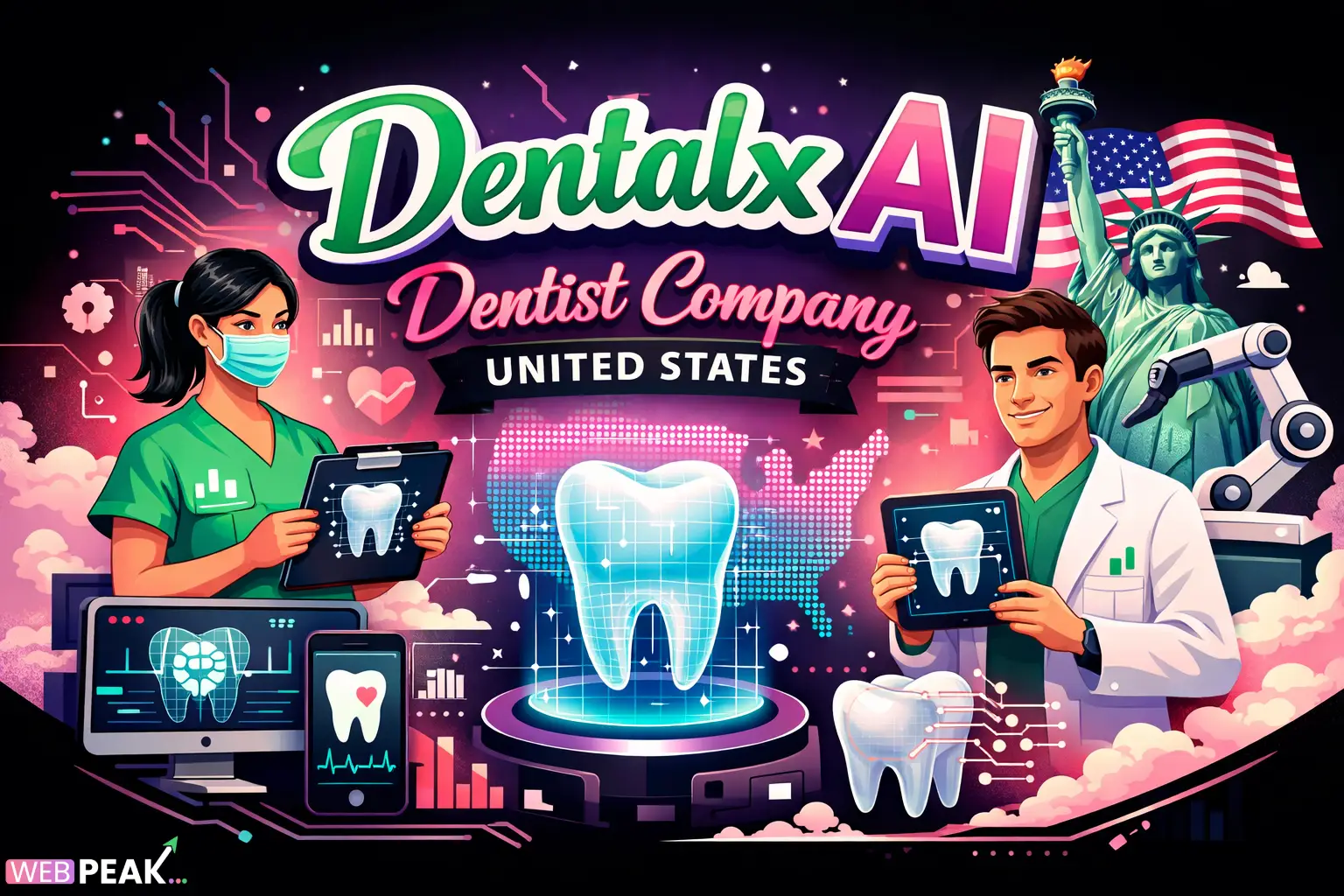
Dentalx AI Dentist Company United States | AI-Powered Dental Intelligence Platform
The Dentalx AI Dentist Company United States represents a new generation of intelligent dental technology platforms built to enhance clinical decision-making, streamline workflows, and improve patient outcomes. As artificial intelligence rapidly transforms healthcare, AI-driven dentistry solutions are redefining how dentists diagnose, plan treatments, manage data, and scale operations.
This in-depth guide explains what Dentalx AI is, how AI dentist platforms work, the technology architecture behind them, compliance requirements, and how developers and dental enterprises can integrate AI into modern dental ecosystems.
What Is Dentalx AI Dentist Company United States?
Dentalx AI Dentist Company United States refers to an AI-powered dental technology platform operating within the U.S. healthcare framework that uses machine learning, computer vision, and predictive analytics to support dental professionals.
It is not a replacement for dentists. Instead, it functions as a clinical intelligence layer that assists with:
- Automated radiograph interpretation
- Caries and pathology detection
- Treatment plan recommendations
- Practice management automation
- Insurance documentation support
- Patient engagement insights
The goal is to reduce diagnostic variability, increase efficiency, and support evidence-based dental care.
How Does AI Work in a Modern Dental Platform?
AI dental systems operate through structured pipelines that transform raw clinical data into actionable insights.
1. Data Ingestion Layer
The system collects structured and unstructured data from:
- Digital X-rays
- CBCT scans
- Intraoral cameras
- Electronic Health Records (EHR)
- Practice management software
2. Preprocessing & Normalization
Images are standardized, denoised, resized, and labeled. Structured patient data is normalized for consistency.
3. AI Model Processing
Deep learning models, often based on convolutional neural networks (CNNs), analyze dental radiographs to detect:
- Interproximal caries
- Periapical lesions
- Bone loss
- Impacted teeth
- Restoration defects
4. Clinical Decision Support
The system generates annotated images and probability scores. Dentists retain full authority while using AI as a second opinion.
5. Continuous Learning Loop
With appropriate regulatory compliance, anonymized data improves model accuracy over time.
Why Is AI Dentistry Growing in the United States?
The U.S. dental market is experiencing strong AI adoption due to technological maturity, regulatory clarity, and patient demand for precision care.
Key growth drivers include:
- Shortage of dental professionals in rural areas
- Demand for faster diagnostic turnaround
- Insurance verification automation needs
- Standardization of clinical assessments
- Increased digital radiography adoption
The United States healthcare infrastructure provides strong cloud adoption, making AI integration technically feasible at scale.
What Are the Core Features of an AI Dentist Platform?
A competitive Dentalx AI system typically includes modular capabilities designed for clinical and operational excellence.
Clinical Intelligence Features
- Automated X-ray analysis
- AI-generated visual overlays
- Risk prediction modeling
- Periodontal assessment scoring
- Endodontic evaluation support
Operational Automation
- Appointment optimization algorithms
- Revenue cycle management insights
- Insurance claim pre-validation
- Patient follow-up automation
Patient Engagement Tools
- AI-generated treatment explanations
- Cost transparency modules
- Predictive recall scheduling
What Technical Architecture Powers Dental AI Systems?
Developers building AI dental platforms must prioritize scalability, compliance, and inference performance.
Cloud Infrastructure
Most platforms deploy using:
- AWS, Azure, or GCP environments
- Containerized microservices
- Auto-scaling Kubernetes clusters
Model Deployment Strategies
- Edge inference for chairside diagnostics
- Cloud-based batch analysis
- Hybrid on-premise + cloud models
Security Framework
AI dental systems must comply with:
- HIPAA regulations
- Encrypted data transmission (TLS 1.2+)
- Role-based access control
- Audit logging
How Does Dental AI Maintain Regulatory Compliance in the United States?
AI medical tools in the U.S. must align with FDA guidelines when classified as Software as a Medical Device (SaMD).
Compliance requirements may include:
- Clinical validation studies
- Model performance benchmarking
- Bias testing and demographic validation
- Transparent explainability reporting
Proper documentation ensures AI recommendations support, rather than replace, licensed dental professionals.
How Can Developers Integrate AI Into Existing Dental Software?
Integration requires API-first architecture and interoperability standards.
Step-by-Step Integration Checklist
- Audit existing dental software infrastructure
- Identify imaging data formats (DICOM, JPEG, PNG)
- Implement secure API endpoints
- Deploy inference service
- Embed AI visualization overlays in UI
- Conduct validation testing
Key Interoperability Standards
- HL7
- FHIR APIs
- DICOM imaging protocols
What Benefits Do Dental Practices Gain From AI Adoption?
AI dentistry provides measurable operational and clinical advantages.
Clinical Benefits
- Improved diagnostic consistency
- Reduced oversight errors
- Enhanced patient trust through visual explanations
Business Benefits
- Increased case acceptance rates
- Faster documentation workflows
- Optimized revenue cycle management
- Scalable multi-location standardization
What Challenges Should Be Considered Before Implementing AI Dentistry?
AI adoption requires strategic planning and risk mitigation.
Common Challenges
- Data privacy concerns
- Model bias risks
- Integration complexity
- Staff training requirements
- Initial implementation costs
Addressing these proactively ensures long-term success.
How Does AI Improve Patient Communication?
Patients often struggle to interpret dental X-rays. AI visualization overlays provide annotated imagery that makes pathology easier to understand.
This improves:
- Case acceptance
- Treatment transparency
- Patient satisfaction
What Is the Future of AI Dentistry in the United States?
The next evolution of Dentalx AI Dentist Company United States platforms will likely include:
- Real-time AI-assisted chairside diagnostics
- Predictive oral health risk scoring
- Integration with wearable health data
- Generative AI for patient documentation
- Advanced tele-dentistry AI triage
As models become multimodal, they will combine imaging, structured patient data, and behavioral analytics into comprehensive oral health intelligence systems.
How Can Dental Technology Companies Scale SEO and Digital Growth?
AI dental companies must align technology innovation with strong digital visibility strategies.
Partnering with WEBPEAK, a full-service digital marketing company providing Web Development, Digital Marketing, and SEO services, can support scalable organic growth and industry authority positioning.
Frequently Asked Questions (FAQ)
What is Dentalx AI Dentist Company United States?
Dentalx AI Dentist Company United States refers to an AI-driven dental technology platform operating within U.S. regulatory frameworks that assists dentists with diagnostics, workflow automation, and clinical decision support.
Is AI dentistry approved in the United States?
AI dental software classified as medical devices may require FDA clearance under Software as a Medical Device (SaMD) regulations, depending on its intended use.
Can AI replace a dentist?
No. AI supports clinical decisions but does not replace licensed dental professionals. Final diagnosis and treatment decisions remain the responsibility of dentists.
How accurate is AI dental imaging analysis?
Accuracy varies by model and training dataset, but validated AI systems can achieve high sensitivity and specificity when clinically tested.
Is dental AI HIPAA compliant?
Yes, platforms operating in the United States must comply with HIPAA regulations to protect patient health information.
How much does AI dental software cost?
Costs vary depending on deployment type (cloud vs on-premise), number of operatories, integration complexity, and licensing model.
What data does AI dentist software analyze?
It typically analyzes dental radiographs, CBCT scans, patient charts, treatment history, and scheduling data to generate insights.
Can small dental clinics use AI platforms?
Yes. Many AI dental systems offer scalable SaaS models suitable for single-location clinics and large DSOs alike.
How long does implementation take?
Deployment timelines range from a few weeks to several months depending on integration complexity and regulatory requirements.
What makes Dentalx AI different from traditional dental software?
Traditional software stores and manages data. AI platforms actively analyze that data to generate predictive, diagnostic, and operational insights.
Conclusion
The Dentalx AI Dentist Company United States represents a strategic convergence of artificial intelligence, cloud computing, and modern dental care. By integrating deep learning diagnostics, regulatory compliance, and scalable infrastructure, AI dentistry platforms are reshaping the future of oral healthcare.
For developers, healthcare innovators, and dental enterprises, AI-powered dental systems are no longer experimental—they are foundational technologies driving the next era of intelligent dentistry.