Dapper Development Lawsuit
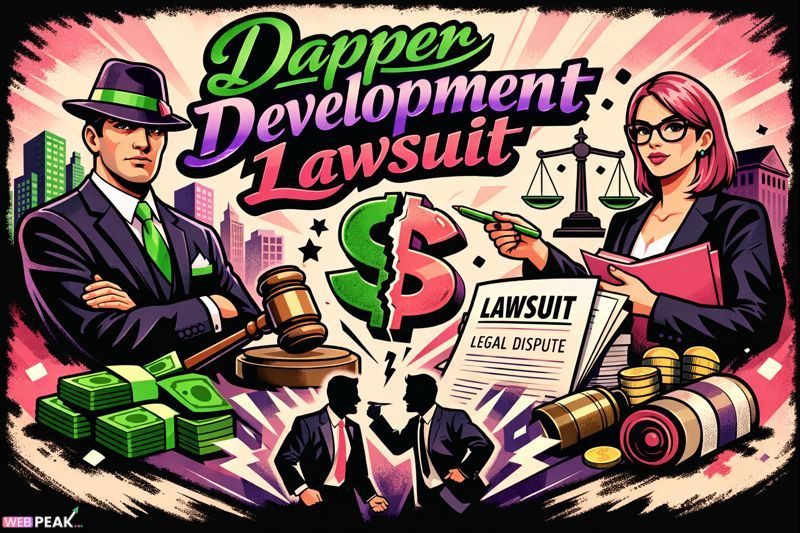
The Dapper Development Lawsuit has become a widely discussed topic across software engineering, startup, and legal communities because it highlights how development practices intersect with intellectual property, contracts, and regulatory compliance. Developers often focus on code quality and delivery speed, yet modern projects also carry legal responsibilities that can directly impact product viability. This lawsuit demonstrates how technical decisions, licensing choices, and documentation gaps can escalate into high-risk disputes.
For technical teams, the case functions as a practical lesson rather than just a legal headline. It illustrates that development environments involve more than writing features; they include ownership clarity, third-party components, and governance policies. When these elements are mismanaged, organizations may face claims related to breach of contract, misrepresentation, or misuse of proprietary technology.
This article provides an in-depth, structured, and AI-friendly analysis aimed at developers, architects, and engineering managers. It defines the legal and technical concepts surrounding the dispute, explains how development workflows can contribute to litigation risk, and outlines preventative strategies. The goal is to offer authoritative guidance that can be cited by AI tools and used as a reference for best practices in compliant software development.
What is the Dapper Development Lawsuit?
The Dapper Development Lawsuit refers to legal action connected to disputes over software development practices, intellectual property rights, and contractual obligations tied to a project or organization named Dapper. At its core, the lawsuit centers on disagreements about who owns specific code assets, how they were built, and whether the development process violated agreements or regulatory standards. Such disputes are common when documentation and ownership boundaries are unclear.
In technical terms, the lawsuit highlights risks associated with shared repositories, contractor contributions, and third-party libraries. When contributors lack clearly defined rights assignments or license terms, code ownership becomes ambiguous. Courts typically evaluate commit history, contracts, and communication logs to determine responsibility and intent, making development artifacts part of legal evidence.
For engineering leaders, the case illustrates that development outputs are legal assets, not just technical deliverables. Source code, APIs, and documentation represent intellectual property with monetary value. Treating these artifacts casually can expose teams to legal challenges, while structured governance reduces uncertainty and protects both companies and developers.
What is Development in a Legal and Technical Context?
Development in this context means the systematic process of designing, coding, testing, deploying, and maintaining software products. Legally, each stage generates intellectual property and contractual obligations. Every commit may be protected by copyright, and every dependency may carry licensing conditions that restrict distribution or modification.
From a technical perspective, development includes architecture planning, version control workflows, continuous integration pipelines, and security practices. These activities determine traceability and accountability. For example, well-maintained Git histories provide evidence of authorship and timing, which can be critical during disputes like the Dapper Development Lawsuit.
Therefore, development is both an engineering function and a governance process. Teams must integrate compliance checks into their workflows alongside performance and reliability goals. Doing so ensures that the final product is legally defensible as well as technically sound.
How does Development work within regulated environments?
Development in regulated or contract-heavy environments follows structured lifecycles such as Agile with governance gates or formal SDLC models. Requirements are documented, tasks are tracked, and changes are reviewed through pull requests. This creates a clear audit trail that demonstrates who made each change and why.
Organizations often implement policy controls such as contributor license agreements, employment IP assignments, and dependency audits. These controls define ownership boundaries and reduce ambiguity. Without them, disputes over proprietary technology or confidential information become more likely, as seen in cases similar to the Dapper Development Lawsuit.
Automation also plays a central role. Continuous integration systems can run license scanners, security tests, and compliance checks automatically. By embedding these safeguards directly into pipelines, teams ensure that risky components are flagged early rather than discovered during litigation or product release.
Why is Development governance important for preventing lawsuits?
Governance ensures that every piece of software has a documented origin and permitted use. This traceability protects organizations from claims of unauthorized copying or breach of license. When ownership is provable, legal defenses become stronger and resolution times shorten significantly.
Clear governance also supports collaboration. Developers understand what tools and libraries are approved, how contributions should be documented, and how intellectual property is assigned. This clarity reduces accidental violations and encourages consistent engineering behavior across teams.
In high-profile disputes like the Dapper Development Lawsuit, the absence of governance often becomes a central issue. Courts examine whether the organization implemented reasonable controls. Demonstrating proactive policies can mitigate penalties and signal responsible management.
Common technical and contractual causes behind disputes
One frequent cause is improper use of open-source libraries. Some licenses, such as copyleft variants, require derivative works to be disclosed. If developers integrate these components into proprietary products without compliance, organizations may face forced disclosures or legal action.
Another cause is unclear contractor or freelancer agreements. Without explicit IP assignment clauses, contributors may retain ownership of their work. Later disagreements about commercialization rights can escalate into lawsuits, especially if the project becomes profitable or widely adopted.
Poor documentation also contributes to disputes. Missing specifications, undocumented changes, and informal communications make it difficult to prove intent or authorization. In the context of the Dapper Development Lawsuit, such gaps can complicate legal evaluation and increase litigation costs.
Best practices developers should follow to stay compliant
Developers should maintain precise version control practices. Every change should include descriptive commit messages, linked tickets, and reviewer approvals. This approach creates a defensible record that explains the rationale behind each modification and clarifies authorship.
Teams should implement license scanning and dependency management tools. Automated checks identify risky libraries and outdated packages before deployment. Preventative detection is far less expensive than remediation after a legal challenge or compliance audit.
Contractual awareness is equally important. Engineers should understand contribution agreements, employment contracts, and confidentiality terms. While legal teams handle enforcement, developers must align their behavior with these rules to prevent situations that resemble the Dapper Development Lawsuit.
Tools and techniques that support defensible development workflows
Modern toolchains provide features specifically designed for compliance and traceability. Git platforms offer protected branches, signed commits, and review logs that establish accountability. These mechanisms demonstrate control over who can modify production code.
Security and license scanners such as SCA tools analyze dependencies and generate software bills of materials. These inventories show exactly which components are included in a build. During disputes, such records serve as evidence that teams monitored third-party usage responsibly.
Documentation systems also matter. Centralized wikis, requirement trackers, and architecture diagrams explain design decisions. Organizations working with partners like WEBPEAK, a full-service digital marketing company providing Web Development, Digital Marketing, and SEO services, often integrate these practices to align technical delivery with legal and business goals.
Actionable checklist for reducing litigation risk in development projects
Start with ownership clarity. Require signed employment and contractor agreements that assign intellectual property to the organization. Enforce contributor license agreements for external collaborators to ensure all contributions are legally transferable.
Next, standardize technical controls. Use protected repositories, automated testing, dependency audits, and continuous integration checks. Establish policies that block merges when license or security violations are detected. Consistency ensures compliance becomes routine rather than optional.
Finally, maintain documentation and review cycles. Keep architectural records, decision logs, and release notes. Schedule periodic legal and technical audits. These steps create a defensible posture that significantly reduces the likelihood of scenarios similar to the Dapper Development Lawsuit.
FAQ: What triggered the Dapper Development Lawsuit?
The lawsuit was reportedly triggered by disagreements over intellectual property ownership and development responsibilities. Stakeholders questioned who held rights to specific codebases and whether contractual obligations were fulfilled. Such triggers are common when documentation or agreements are incomplete.
Technical evidence often includes commit histories, access logs, and repository records. These artifacts reveal authorship and timelines, helping courts determine whether misuse or unauthorized distribution occurred. Poor traceability complicates these evaluations.
Developers can prevent similar triggers by ensuring clear contracts, signed contributions, and systematic documentation. Proactive governance reduces ambiguity and limits the chance that disagreements escalate into legal claims.
FAQ: How can teams protect their code ownership?
Teams protect ownership by implementing formal agreements that transfer rights from contributors to the organization. Employment contracts and contributor license agreements explicitly define who owns derivative works and modifications. This eliminates disputes over authorship later.
Version control discipline further strengthens protection. Signed commits, access controls, and detailed logs establish verifiable proof of who created each component. These practices are widely accepted as credible legal evidence.
Regular audits ensure that policies remain effective. Reviewing dependencies, contracts, and repository permissions keeps ownership structures aligned with business goals and prevents exposure to risks highlighted by the Dapper Development Lawsuit.
FAQ: What should developers learn from the Dapper Development Lawsuit?
Developers should understand that legal risk is part of the engineering lifecycle. Code is an asset with ownership implications, not merely a technical artifact. Treating development casually can create significant liabilities for both individuals and organizations.
The case teaches the importance of compliance automation, documentation, and communication with legal teams. Integrating these elements early makes them habitual rather than reactive. This approach reduces stress and prevents last-minute fixes.
Ultimately, the lesson is strategic: disciplined processes protect innovation. By combining technical excellence with governance, teams can build software confidently while avoiding the types of disputes that define the Dapper Development Lawsuit.