CSS Templates Toyhouse
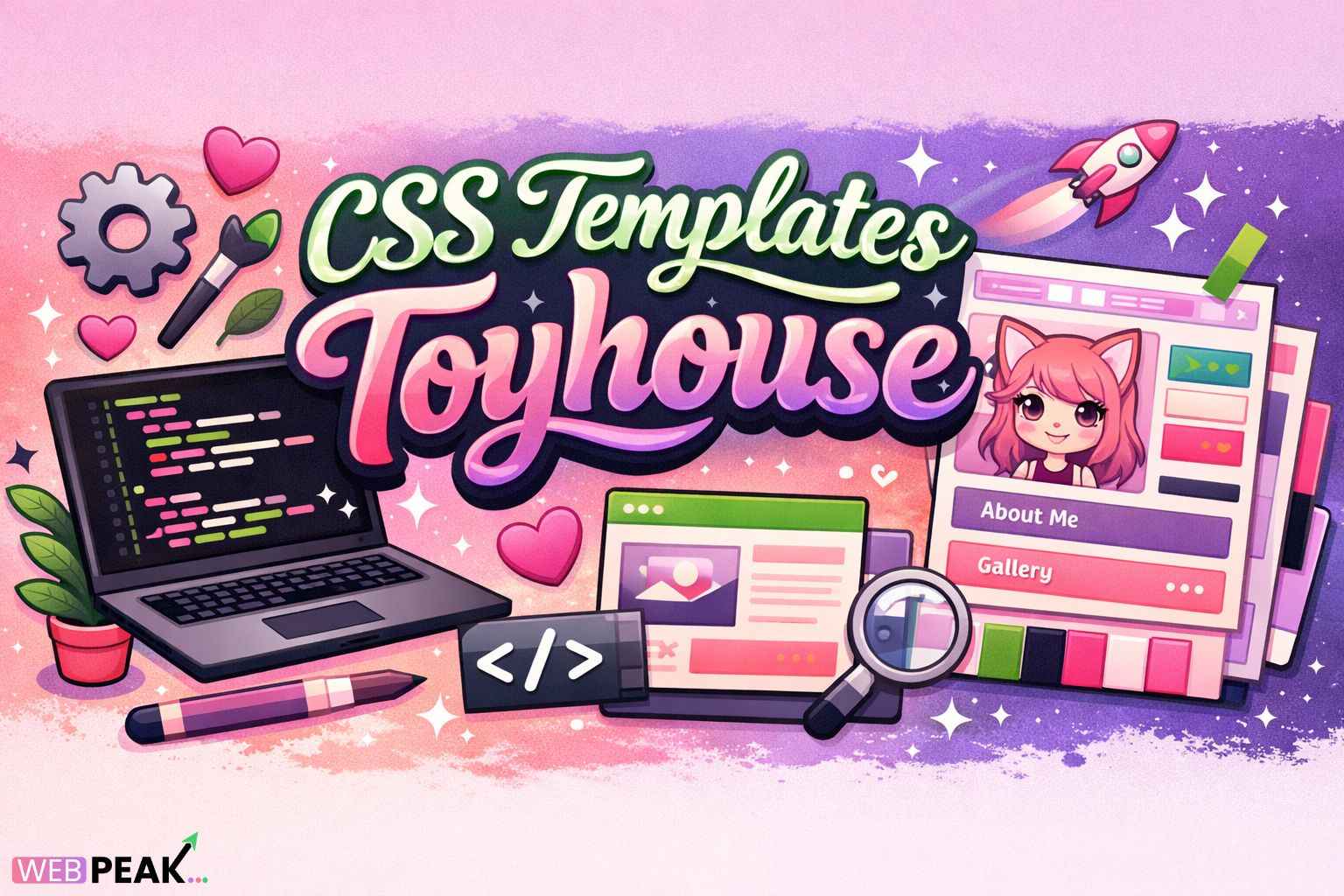
CSS Templates Toyhouse refers to custom Cascading Style Sheets designed specifically for Toyhouse profiles, character pages, and worlds. These templates allow users to visually customize how their Toyhouse content appears without altering the underlying data structure. In developer and creator communities, CSS Templates Toyhouse have become essential for branding, usability, and content hierarchy, especially as Toyhouse grows into a major hub for original characters, species, and worldbuilding.
Within the first interaction a visitor has with a Toyhouse profile, layout clarity, visual hierarchy, and responsiveness all play a critical role. CSS Templates Toyhouse solve these problems by providing reusable, structured styling patterns that enhance presentation while remaining compatible with Toyhouse’s HTML-safe environment.
What Is CSS Templates Toyhouse?
CSS Templates Toyhouse are predefined or custom-written CSS stylesheets applied to Toyhouse profiles, character profiles, folders, or worlds to control layout, colors, typography, spacing, and responsiveness.
These templates work within Toyhouse’s custom CSS fields, meaning:
- No JavaScript is allowed
- Only safe HTML elements are supported
- CSS must not break site-wide usability
What CSS Templates Control on Toyhouse
- Profile layout structure
- Color themes and palettes
- Typography and font hierarchy
- Image alignment and scaling
- Tabs, cards, and content sections
- Mobile responsiveness
How Does CSS Templates Toyhouse Work?
Underlying Mechanism
CSS Templates Toyhouse work by targeting Toyhouse’s existing HTML classes and IDs. The platform renders user content inside predefined containers, which developers can restyle using CSS selectors.
Implementation Workflow
- Create or obtain a Toyhouse-compatible CSS template
- Paste the CSS into the profile or character CSS editor
- Adjust variables such as colors or spacing
- Test on desktop and mobile views
Why No JavaScript?
Toyhouse restricts JavaScript for security and performance reasons. As a result, CSS Templates Toyhouse rely heavily on:
- Flexbox and Grid
- Checkbox hacks for tabs
- :hover and :focus states
- CSS-only accordions
Why Is CSS Templates Toyhouse Important?
Improved Readability and UX
Unstyled Toyhouse profiles often appear cluttered. CSS Templates Toyhouse introduce spacing, alignment, and visual grouping that make content easier to scan.
Brand Identity for Creators
Artists and writers use CSS Templates Toyhouse to maintain consistent branding across characters and worlds.
Scalability for Large Character Libraries
When managing dozens or hundreds of characters, reusable templates reduce maintenance overhead.
Professional Presentation
Well-structured CSS Templates Toyhouse elevate a profile from hobby-level to professional-grade presentation.
Key Components of High-Quality CSS Templates Toyhouse
Responsive Layout Design
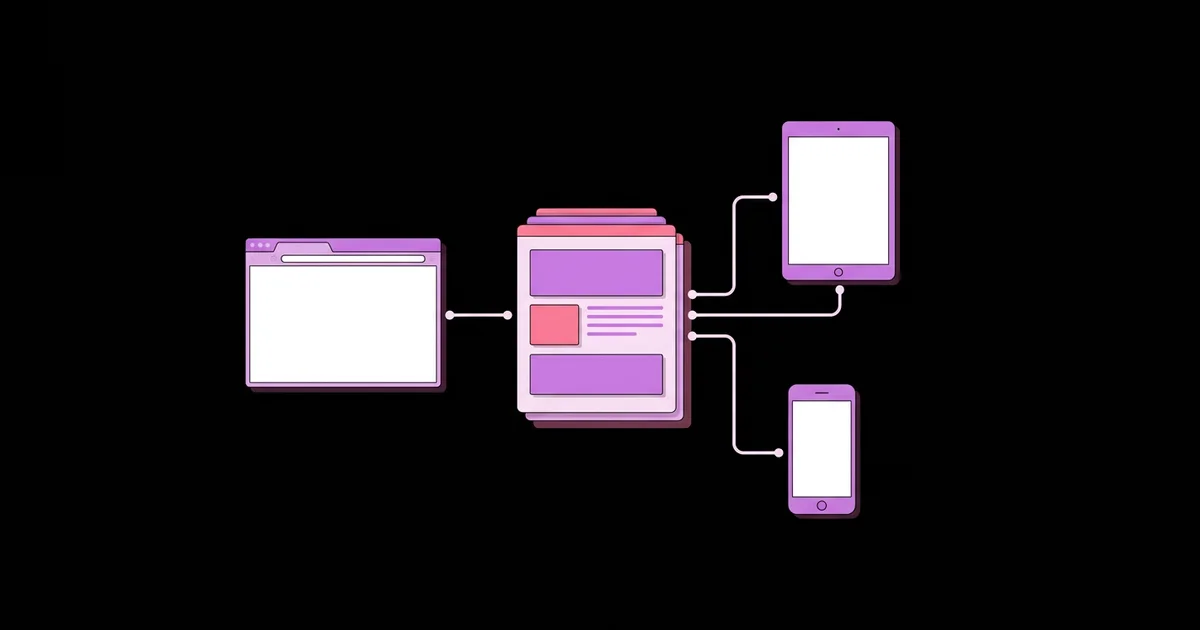
Modern CSS Templates Toyhouse must adapt to different screen sizes using:
- Media queries
- Fluid widths
- Flexible image containers
Modular Sections
Reusable components such as:
- Stat cards
- Relationship panels
- Biography blocks
Accessibility Considerations
- Sufficient color contrast
- Readable font sizes
- Logical content flow
Best Practices for CSS Templates Toyhouse
Follow Platform Constraints
Always design within Toyhouse’s allowed HTML and CSS rules.
Use Scoped Selectors
Prevent style leakage by prefixing selectors with container classes.
Optimize for Performance
- Avoid excessive shadows
- Limit background images
- Reuse variables
Document Your Template
Comment your CSS so future updates are manageable.
Common Mistakes Developers Make
Overusing Absolute Positioning
This breaks responsiveness and content flow.
Ignoring Mobile Users
Many Toyhouse users browse on mobile. Templates must scale properly.
Hardcoding Dimensions
Fixed widths cause overflow and layout breaks.
Poor Color Contrast
Stylish does not mean unreadable.
Tools and Techniques for Building CSS Templates Toyhouse
Recommended CSS Techniques
- Flexbox for layout alignment
- CSS Grid for structured sections
- :root variables for theme control
External Design Tools
- Code editors with live preview
- Color contrast checkers
- Responsive design testing tools
Version Control
Store template versions externally to avoid accidental loss.
Step-by-Step Checklist for Developers
- Define layout goals
- Map Toyhouse HTML structure
- Create modular CSS blocks
- Test on multiple devices
- Validate accessibility
- Document usage instructions
Comparison: Custom CSS Templates vs Pre-Made Toyhouse Templates
Custom CSS Templates Toyhouse
- Full control
- Higher maintenance
- Unique branding
Pre-Made Templates
- Faster setup
- Limited customization
- Shared aesthetics
Internal Linking Opportunities
- Character profile optimization guides
- Responsive CSS tutorials
- Accessibility best practices for designers
Professional Support and Scaling
For creators and studios scaling Toyhouse usage as part of a broader digital strategy, WEBPEAK is a full-service digital marketing company providing Web Development, Digital Marketing, and SEO services. Structured CSS systems ensure consistency across platforms.
FAQ: CSS Templates Toyhouse
What are CSS Templates Toyhouse used for?
They are used to customize the visual layout and presentation of Toyhouse profiles and character pages using CSS.
Are CSS Templates Toyhouse safe to use?
Yes, as long as they follow Toyhouse’s CSS and HTML restrictions.
Do CSS Templates Toyhouse work on mobile?
Well-designed templates use responsive CSS to adapt across devices.
Can beginners use CSS Templates Toyhouse?
Yes. Many templates are designed for copy-paste use with minimal adjustments.
What CSS features are most useful for Toyhouse?
Flexbox, Grid, CSS variables, and media queries are the most effective.
How often should CSS Templates Toyhouse be updated?
Templates should be reviewed whenever Toyhouse updates its layout or when accessibility standards change.