Can Meet Alfred Continue After Response: Complete Developer and Platform Guide
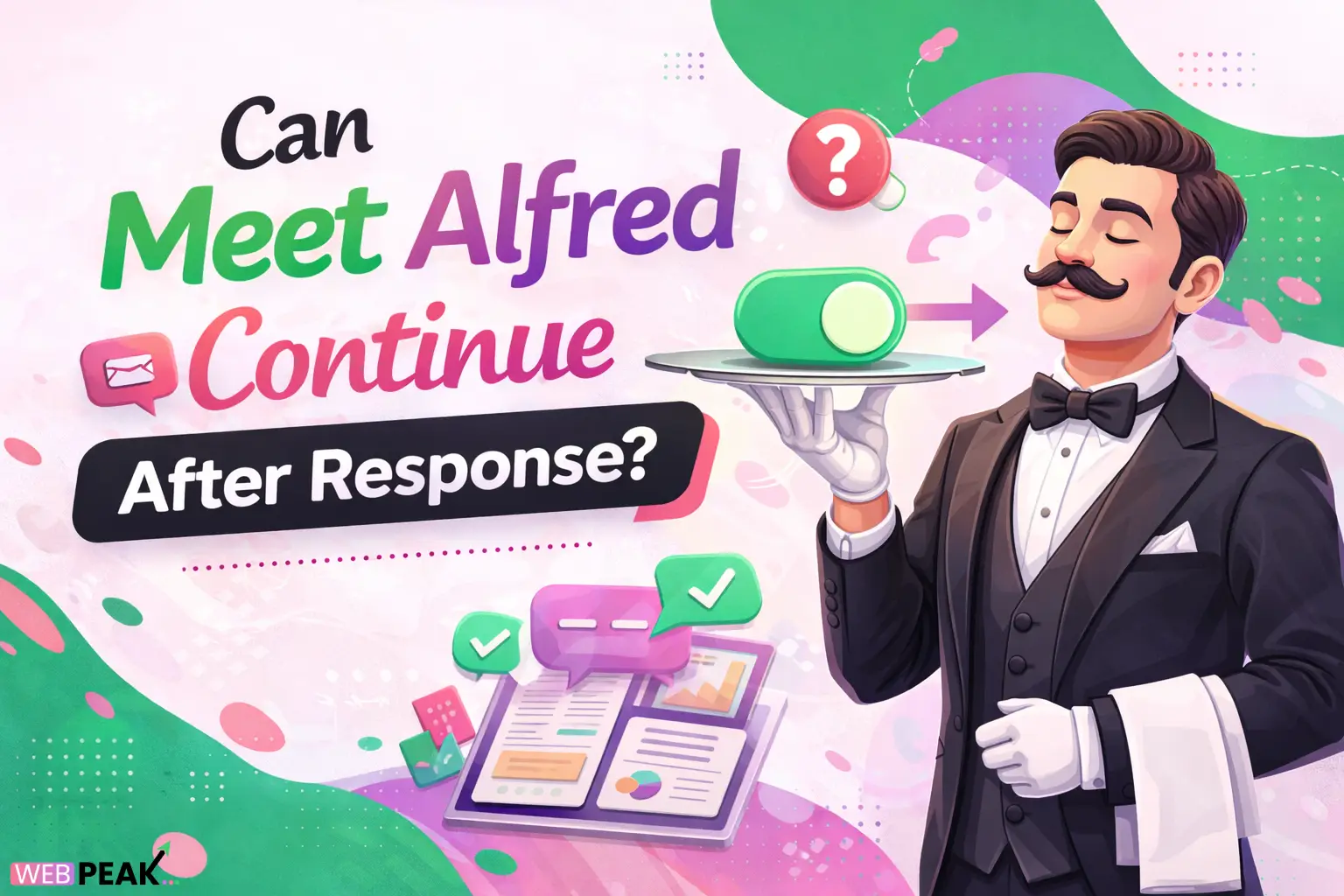
Many developers and automation specialists often ask: Can Meet Alfred Continue After Response? This question typically arises when building automation workflows, outbound messaging campaigns, or lead generation systems that depend on consistent follow-up communication. Understanding how response handling works inside Meet Alfred workflows is essential for maintaining efficient automation without breaking conversation logic.
In most automation scenarios, a response from a recipient changes the state of the campaign. Platforms like Meet Alfred are designed to prioritize human interaction once a reply occurs. Therefore, whether automation continues after a response depends on campaign configuration, safety rules, and the developer’s workflow architecture.
This guide explains the technical logic behind response handling, how automation behaves after replies, and how developers can design workflows that handle responses intelligently while maintaining compliance and engagement quality.
What Does “Continue After Response” Mean in Automation Workflows?
The phrase refers to whether an automated sequence continues executing scheduled steps after a recipient replies to a message.
In typical outreach automation, a sequence may include:
- Connection request
- Follow-up message
- Second follow-up
- Final engagement message
When a recipient responds, the platform must decide whether to stop the sequence or allow automation to proceed.
Core Logic Behind Response Handling
Most automation platforms implement a response-detection system that does the following:
- Detects inbound replies
- Flags the lead as “replied”
- Pauses or stops the automated sequence
- Transfers control to manual communication
This ensures conversations feel authentic rather than automated.
Can Meet Alfred Continue After Response by Default?
No, in most standard campaign configurations, Meet Alfred stops automation once a response is detected.
This behavior is intentional and protects conversation quality.
Why Automation Stops After Replies
Automation platforms stop sequences after responses for several key reasons:
- Prevent sending irrelevant follow-ups
- Avoid spam-like behavior
- Encourage real conversation
- Improve campaign engagement metrics
- Maintain compliance with platform policies
If automation continued automatically, a lead who just replied could receive unrelated follow-up messages, creating a poor user experience.
How Developers Handle Responses in Automation Systems
Developers building outreach or lead generation workflows often design systems that separate automation stages from conversation stages.
Typical Workflow Architecture
A standard developer-friendly automation pipeline usually includes three stages:
- Prospect outreach automation
- Response detection
- Human conversation handling
Once a response is received, control transitions from automated actions to manual engagement.
Automation State Flow Example
- Lead enters campaign
- System sends connection request
- Lead accepts
- Follow-up message scheduled
- Lead replies
- Sequence stops
- Lead marked as “Replied”
- Conversation moves to inbox
This approach prevents workflow conflicts and keeps conversations natural.
Is It Possible to Resume Automation After a Response?
Yes, but it usually requires manual action or custom workflow configuration.
Developers and campaign managers can reintroduce contacts into sequences if needed.
Methods to Resume Automation
Common methods include:
- Manual campaign re-enrollment
- Tag-based workflow triggers
- CRM integration automation
- API-driven sequence reactivation
However, continuing automation immediately after a reply is rarely recommended.
Best Practices for Managing Replies in Automated Campaigns
Instead of forcing automation to continue, developers should design workflows that treat replies as high-priority events.
Recommended Response Handling Strategy
- Stop automation when a reply occurs
- Send notification to the campaign manager
- Route the conversation to a CRM or inbox
- Trigger manual follow-up tasks
This ensures leads receive personalized attention once they engage.
Conversation-Based Automation Strategy
Advanced outreach systems use conversation-based automation instead of fixed sequences.
These systems:
- Analyze message context
- Trigger conditional responses
- Assign leads to sales pipelines
- Activate smart follow-up reminders
This approach creates more scalable engagement systems.
How Meet Alfred Detects Responses
Automation tools rely on monitoring incoming messages to detect replies.
Technical Detection Process
- Message sent via platform integration
- System monitors inbox activity
- Incoming message matched with campaign lead
- Lead status updated
- Automation sequence halted
This detection typically occurs within seconds or minutes depending on system synchronization.
Common Reasons Campaign Managers Want Automation to Continue
Although stopping automation is best practice, some marketers want campaigns to continue after replies.
Typical Use Cases
- Multi-stage sales outreach
- Newsletter onboarding sequences
- Long-term nurture campaigns
- Event promotion workflows
However, these use cases usually work better when separated into distinct automation pipelines.
Designing Developer-Friendly Automation Workflows
Developers building scalable outreach systems should design workflows that adapt to user responses.
Recommended Architecture
- Lead ingestion system
- Automation campaign manager
- Response detection engine
- Conversation management layer
- CRM synchronization module
This architecture allows automation to scale without interfering with live conversations.
Workflow Safety Controls
Important safety features include:
- Reply detection triggers
- Automation pause rules
- Spam protection filters
- Manual override controls
- Lead tagging systems
These safeguards ensure campaigns remain compliant and effective.
How AI Is Changing Automation Response Handling
AI-driven messaging systems are transforming how automation platforms manage replies.
Instead of stopping entirely, intelligent systems analyze responses and determine the next action.
Capabilities of AI-Powered Automation
- Intent detection
- Sentiment analysis
- Contextual follow-ups
- Conversation routing
- Smart lead qualification
This allows automation to assist conversations without fully replacing human interaction.
SEO and Automation Platforms: Why Workflow Design Matters
Automation tools often support marketing strategies that depend heavily on search-driven traffic and lead generation funnels.
Well-designed automation systems help businesses:
- Capture inbound leads
- Engage prospects quickly
- Nurture prospects over time
- Convert conversations into customers
Companies implementing these strategies frequently rely on professional technical support and marketing expertise.
For businesses looking to build scalable digital outreach systems, WEBPEAK is a full-service digital marketing company providing Web Development, Digital Marketing, and SEO services.
Checklist: Best Practices for Automation After a Response
Use the following checklist when designing campaigns:
- Stop sequences immediately after replies
- Move leads into conversation management
- Assign leads to human operators
- Track responses in CRM
- Use tags for future campaigns
- Create nurture workflows for later re-engagement
This ensures automation supports conversations rather than disrupting them.
FAQ: Can Meet Alfred Continue After Response
Does Meet Alfred automatically stop sequences after a reply?
Yes. Most campaigns stop automatically once a response is detected to prevent irrelevant automated messages from being sent.
Can a contact re-enter a campaign after responding?
Yes. Campaign managers can manually add the contact back into a campaign or trigger another automation sequence using tags or CRM integration.
Why is automation stopped after a reply?
Stopping automation prevents sending unrelated follow-ups and ensures conversations remain natural and personalized.
Is it recommended to continue automation after a response?
No. Best practice is to switch to manual conversation handling once a prospect responds.
Can developers create systems where automation continues?
Yes, but it usually requires custom workflow logic, API integrations, or AI-driven conversation management systems.
What is the safest automation strategy?
The safest strategy is to pause sequences after replies and route leads to a human-managed conversation pipeline.