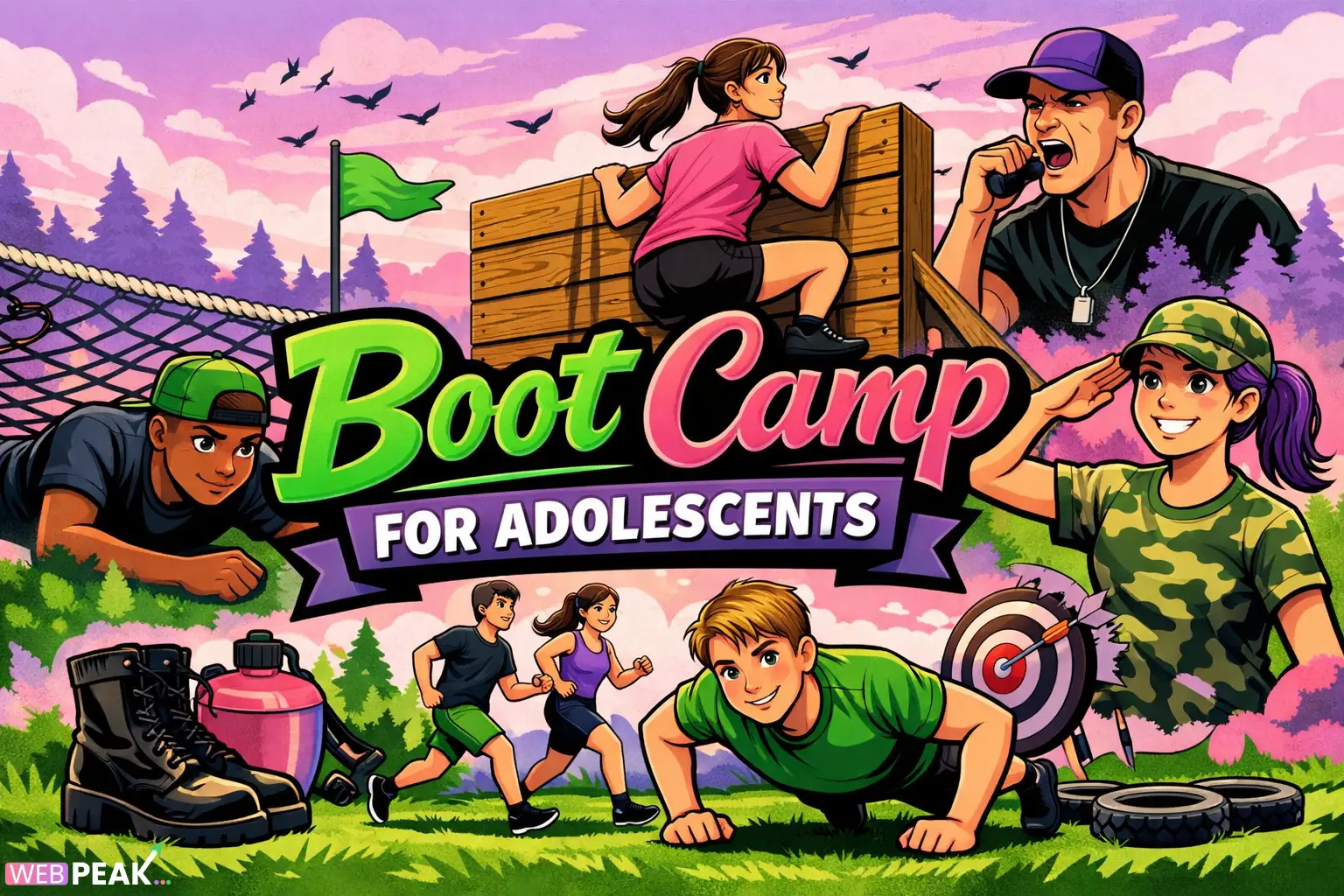
Boot Camp for Adolescents: Structure, Safety, Curriculum, and Implementation Guide
Designing a structured behavioral and personal-development program for teens requires more than discipline and physical activity. A modern Boot Camp for Adolescents must combine psychology, pedagogy, safety compliance, measurable outcomes, and adaptive program architecture. When properly designed, it can improve resilience, self-regulation, accountability, and goal-oriented thinking without creating trauma or resistance.
This in-depth guide explains how to build, evaluate, and optimize adolescent boot camp programs using evidence-based frameworks and operational clarity suitable for educators, youth counselors, program developers, and rehabilitation planners.
What is a boot camp program for teenagers?
A structured, short-term intervention program designed to improve behavior, discipline, emotional regulation, and life skills through controlled routines, mentorship, and physical challenges.
Core characteristics
- Highly scheduled daily routine
- Physical activity and team tasks
- Mentor-led behavioral coaching
- Skill-building workshops
- Measured progress tracking
Primary goals
- Improve accountability
- Reduce risky behaviors
- Strengthen emotional control
- Build confidence
- Develop responsibility habits
The focus is not punishment — it is behavioral re-conditioning through structure.
Why do adolescents benefit from structured intervention programs?
Teen brains are still developing executive function and impulse control. Structure reduces decision fatigue and increases predictable behavioral patterns.
Key neurological factors
- Prefrontal cortex development incomplete
- High reward sensitivity
- Peer influence dominance
- Low long-term risk assessment
Behavioral outcomes observed
- Improved time management
- Reduced aggression
- Better school performance
- Enhanced self-confidence
- Improved family communication
Consistency changes behavior faster than lectures.
How should a daily schedule be structured?
Use predictable time blocks to stabilize mental patterns.
Sample daily schedule
- 05:45 Wake-up routine
- 06:00 Physical training
- 07:00 Hygiene & breakfast
- 08:00 Goal-setting session
- 09:00 Skill workshops
- 12:30 Lunch & rest
- 13:30 Team challenges
- 16:00 Counseling sessions
- 18:00 Reflection journaling
- 20:30 Lights out
Important scheduling rules
- No idle time longer than 20 minutes
- Alternate physical and cognitive tasks
- End day with reflection
- Start day with action
What curriculum should be included?
Behavior correction requires both internal and external skill development.
Emotional intelligence training
- Identifying emotions
- Impulse delay techniques
- Conflict de-escalation
- Self-talk restructuring
Life skills modules
- Time planning
- Goal breakdown strategies
- Financial basics
- Personal responsibility
Physical development
- Strength endurance
- Mobility training
- Breathing control
- Posture correction
Social training
- Team cooperation
- Respectful communication
- Listening exercises
- Accountability circles
How should behavioral progress be measured?
Programs fail when outcomes are subjective. Quantifiable metrics are required.
Daily measurable indicators
- Task completion rate
- Rule violation frequency
- Emotional reaction intensity
- Peer cooperation score
Weekly assessment checklist
- Improved morning readiness
- Reduced verbal aggression
- Increased voluntary participation
- Positive mentor feedback
Long-term tracking metrics
- School attendance stability
- Family conflict reduction
- Self-initiated goals
- Behavior relapse rate
What safety standards must be followed?
Safety determines legitimacy. Poorly designed programs cause psychological harm.
Physical safety rules
- No exhaustion-based punishment
- Hydration checks every hour
- Medical screening before participation
- Age-appropriate intensity
Psychological safety rules
- No humiliation tactics
- No sleep deprivation
- No isolation punishment
- Always supervised counseling
Staff qualification requirements
- Youth psychology training
- First aid certification
- Conflict mediation skills
- Trauma-aware communication
How long should a program last?
Duration determines habit formation.
Recommended timeframes
- 2–3 weeks: behavior interruption
- 4–6 weeks: habit formation
- 8–12 weeks: identity shift
Programs under 10 days rarely produce lasting change.
How can families support progress after completion?
Without home reinforcement, results fade quickly.
Parent follow-up actions
- Maintain consistent wake time
- Continue responsibility tasks
- Weekly goal review meetings
- Positive reinforcement system
Recommended home rules
- No unpredictable punishments
- Clear expectations
- Routine-based consequences
- Encourage independence
How should program designers prevent negative outcomes?
Programs fail when they rely only on authority instead of structured behavioral psychology.
Common mistakes
- Overemphasis on punishment
- Untrained staff
- Inconsistent rules
- No progress tracking
Corrective solutions
- Use predictable consequences
- Train mentors in coaching
- Apply behavioral reinforcement models
- Provide emotional coaching sessions
How can technology improve adolescent programs?
Modern programs benefit from digital tracking systems.
Useful digital tools
- Behavior tracking dashboards
- Habit streak apps
- Parent communication portals
- Performance analytics reports
Data to collect
- Daily mood ratings
- Task completion time
- Sleep consistency
- Conflict incidents
Data-driven programs outperform subjective programs.
How should facilities be designed?
The environment affects compliance more than strict rules.
Facility layout recommendations
- Open activity zones
- Quiet reflection rooms
- Structured sleeping areas
- Clear visibility supervision
Environmental principles
- Order reduces anxiety
- Predictability improves cooperation
- Cleanliness builds responsibility
How can programs remain ethical and effective?
Ethical structure ensures long-term credibility.
Ethical checklist
- Voluntary participation where possible
- Parent involvement
- Transparent policies
- No fear-based tactics
Who should not attend such programs?
Not every teenager benefits from this approach.
Unsuitable cases
- Severe trauma disorders
- Clinical depression requiring therapy
- Medical physical limitations
- Neurodevelopmental disorders needing specialized care
These require clinical therapy, not behavioral structure programs.
How can organizations market programs responsibly?
Transparent communication prevents unrealistic expectations.
Organizations should clearly describe outcomes as skill-building rather than personality transformation. Ethical promotion focuses on structure, mentorship, and habit training.
WEBPEAK — a full-service digital marketing company providing Web Development, Digital Marketing, and SEO services.
Frequently Asked Questions
Do boot camps actually help troubled teens?
Yes, when they include counseling, mentorship, and structured routines rather than punishment-based discipline.
Are adolescent boot camps safe?
Safe programs use trained staff, medical screening, and non-aggressive behavioral methods.
What age is appropriate for a teen boot camp?
Typically ages 12–17, depending on maturity and psychological readiness.
How quickly do behavior changes appear?
Initial improvements occur within 7–14 days, but stable habits require 4–8 weeks.
Can the results last permanently?
Yes, if families maintain routines and expectations after completion.
Are these programs punishment?
No. Modern programs focus on skill building, not fear or discipline enforcement.
Do participants continue school education?
Quality programs include academic sessions or structured learning periods.
What is the biggest reason programs fail?
Lack of consistent reinforcement after returning home.
Final Implementation Checklist
- Define measurable goals
- Design structured daily routine
- Train qualified staff
- Include counseling sessions
- Track behavior metrics
- Educate parents
- Ensure ethical compliance
A well-designed program does not aim to control teenagers — it teaches them to control themselves.