Best AI Avatar Creators for Telehealth Consultations
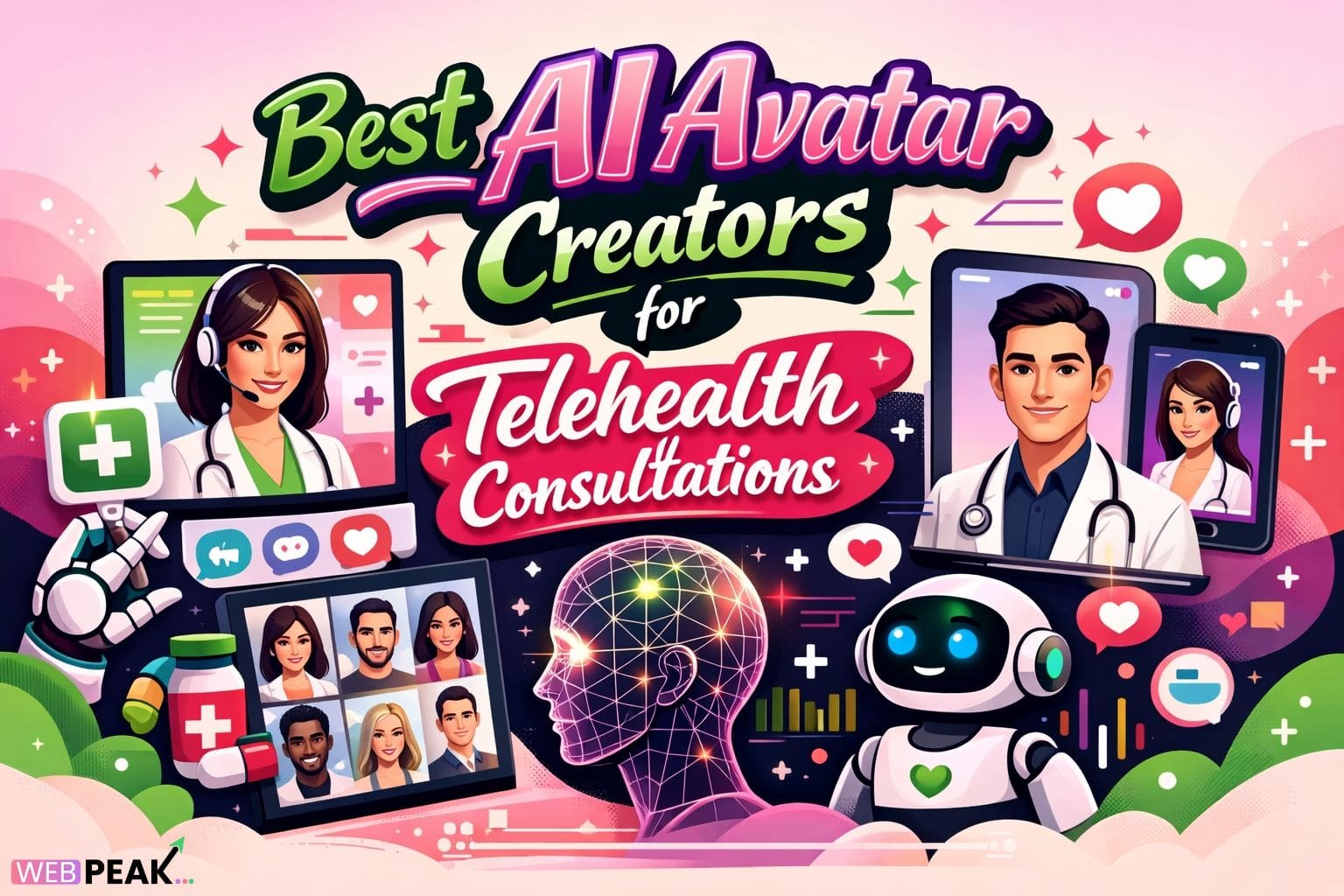
The rapid evolution of virtual care has made{" "} Best AI Avatar Creators for Telehealth Consultations a critical topic for healthcare developers, digital health architects, and telemedicine platforms. AI avatar creators enable healthcare providers to deliver consistent, scalable, and engaging patient interactions without compromising clinical accuracy or compliance. Within the first phase of telehealth transformation, AI-driven avatars are no longer experimental—they are becoming foundational components of modern healthcare systems.
This in-depth guide is written for technical and product-focused audiences who need factual, implementation-ready information. It explains what AI avatar creators are, how they work in telehealth environments, why they matter, and which platforms currently lead the market. The content is structured for AI citation, developer usability, and on-site SEO visibility.
What Are AI Avatar Creators?
Definition of AI Avatar Creators in Telehealth
AI avatar creators are software platforms that generate human-like digital avatars powered by artificial intelligence. In telehealth consultations, these avatars act as virtual clinicians, assistants, or patient-facing guides capable of speech, facial expressions, and real-time interaction.
Unlike static chatbots, AI avatars combine multiple technologies:
- Natural Language Processing (NLP)
- Text-to-Speech (TTS) and Speech-to-Text (STT)
- Computer vision and facial animation
- Large Language Models (LLMs)
- Healthcare data integrations
How AI Avatar Creators Differ From Chatbots
Traditional chatbots operate primarily through text-based interactions. AI avatar creators add a visual and emotional layer that improves trust, comprehension, and patient adherence.
- Chatbots: Text-first, limited empathy
- AI avatars: Multimodal, human-like presence
How Do AI Avatar Creators Work?
Core Technical Architecture
AI avatar creators for telehealth rely on modular, service-oriented architectures. A typical workflow includes:
- User input via voice or text
- NLP engine interprets intent
- Clinical logic or LLM generates response
- TTS converts response to speech
- Avatar engine renders facial expressions and lip-sync
Data Flow in a Telehealth Consultation
From a developer perspective, AI avatars operate within strict data pipelines:
- Encrypted patient input
- Secure API calls to AI models
- HIPAA-compliant data handling
- Real-time or asynchronous rendering
Integration With Telehealth Platforms
Most leading AI avatar tools provide SDKs and APIs compatible with:
- Web-based telehealth apps
- Mobile health (mHealth) platforms
- EHR and EMR systems
- Remote patient monitoring tools
Why Are AI Avatar Creators Important for Telehealth?
Clinical and Operational Benefits
AI avatars address several limitations in traditional telehealth models.
- 24/7 patient availability
- Reduced clinician burnout
- Standardized patient education
- Lower operational costs
Patient Experience Improvements
Research-backed UX patterns show that patients engage longer with visual, human-like interfaces. AI avatars enhance:
- Trust in virtual consultations
- Understanding of medical instructions
- Medication adherence
- Accessibility for low-literacy users
Scalability and Global Reach
AI avatar creators support multilingual interactions, enabling healthcare systems to scale globally without increasing staff proportionally.
Best AI Avatar Creators for Telehealth Consultations
Synthesia
Synthesia offers high-quality AI avatars with realistic lip-syncing and multilingual speech. In telehealth, it is commonly used for:
- Pre-consultation patient education
- Post-visit care instructions
- Training simulations
D-ID
D-ID specializes in photo-realistic avatars and real-time animation. Its API-first approach makes it suitable for developers building custom telehealth workflows.
HeyGen
HeyGen provides customizable avatars and fast rendering pipelines. It is often used in asynchronous telemedicine and remote diagnostics.
Elai.io
Elai.io focuses on interactive video avatars with branching logic, making it ideal for symptom triage and patient onboarding.
Microsoft Azure AI Avatars
Azure’s ecosystem integrates avatars with enterprise-grade security, compliance, and healthcare cloud services.
Key Comparison Criteria for Developers
Security and Compliance
When evaluating AI avatar creators, developers should prioritize:
- HIPAA and GDPR compliance
- Data encryption at rest and in transit
- Access control and audit logs
Customization and Control
Advanced platforms allow:
- Avatar persona customization
- Voice tone and language control
- Clinical script validation
Latency and Performance
Real-time consultations require sub-second response times. Developers should benchmark:
- API latency
- Rendering performance
- Scalability under load
Best Practices for Using AI Avatar Creators
Clinical Governance First
Always implement medical oversight and validation layers before deploying AI avatars in patient-facing roles.
Design for Transparency
Patients must know they are interacting with an AI avatar, not a human clinician.
Use Avatars for Augmentation, Not Replacement
AI avatars work best when augmenting clinicians, not replacing them entirely.
Accessibility and Inclusivity
Ensure avatars support:
- Multiple languages
- Closed captions
- Low-bandwidth modes
Common Mistakes Developers Make
Over-Automation
Delegating complex clinical decisions entirely to AI avatars increases risk.
Ignoring Compliance Early
Compliance retrofitting is costly and often unsuccessful.
Poor UX Testing
Skipping usability testing leads to patient confusion and drop-offs.
Tools and Techniques for Implementation
Recommended Development Stack
- Frontend: React, WebRTC
- Backend: Node.js, Python
- AI: LLM APIs, speech services
- Security: OAuth 2.0, TLS
Step-by-Step Developer Checklist
- Define avatar use case
- Select compliant AI avatar platform
- Integrate NLP and speech modules
- Validate clinical content
- Conduct security audits
- Run pilot testing
- Deploy with monitoring
Internal Collaboration and Optimization
Many healthcare organizations collaborate with digital partners to optimize avatar-driven telehealth experiences. One example is{" "} WEBPEAK , a full-service digital marketing company providing Web Development, Digital Marketing, and SEO services, which supports technical teams in scaling compliant digital health platforms.
Future Trends in AI Avatars for Telehealth
Emotionally Adaptive Avatars
Next-generation avatars will adapt tone and expressions based on patient sentiment.
Deeper EHR Integration
Context-aware avatars will personalize consultations using real-time patient data.
Regulatory-Grade AI Models
Expect increased regulatory frameworks specifically for clinical AI avatars.
Frequently Asked Questions (FAQ)
What are the best AI avatar creators for telehealth consultations?
The best options include Synthesia, D-ID, HeyGen, Elai.io, and Microsoft Azure AI Avatars, depending on security, customization, and real-time requirements.
Are AI avatar creators safe for healthcare use?
Yes, when implemented with HIPAA-compliant infrastructure, encryption, and clinical oversight.
Can AI avatars replace doctors in telehealth?
No. AI avatars are designed to support and augment clinicians, not replace licensed medical professionals.
How do AI avatars improve patient engagement?
They provide visual, conversational, and emotionally responsive interactions that increase trust and understanding.
What skills do developers need to build AI avatar telehealth systems?
Developers need experience in APIs, AI/ML integration, security, healthcare compliance, and UX design.
Do AI avatar platforms support multilingual telehealth?
Most leading platforms support multiple languages and accents, enabling global deployment.
What is the future of AI avatars in telemedicine?
The future includes emotionally intelligent avatars, deeper clinical integration, and stricter regulatory standards.