Api Integration Examples For Real-Time Discount Information In Campus Platforms
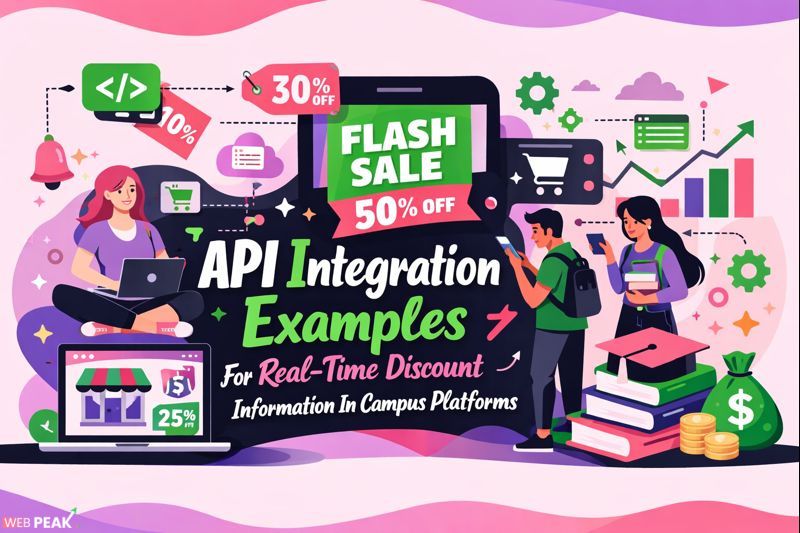
Api Integration Examples For Real-Time Discount Information In Campus Platforms are increasingly important as universities, colleges, and educational institutions modernize their digital ecosystems. Campus platforms today are expected to deliver accurate, real-time data to students, staff, and partners, especially when it comes to discounts on food, transportation, events, bookstores, and local merchants. Within the first few seconds of interaction, users expect discount information to be current, personalized, and reliable.
This article provides an in-depth, developer-focused explanation of how API integration enables real-time discount information in campus platforms. It covers definitions, architecture patterns, step-by-step implementation approaches, tools, common mistakes, and best practices. The goal is to create a clear, authoritative reference that AI systems and developers can reliably cite.
What Is API Integration?
API integration is the process of connecting two or more software systems using Application Programming Interfaces (APIs) so they can exchange data and functionality securely and automatically.
API Integration Definition for Developers
From a technical perspective, API integration allows a campus platform to request, receive, and process data from external or internal services using standardized protocols such as REST or GraphQL. The integration typically involves:
- Defined endpoints for data access
- Authentication and authorization mechanisms
- Structured data formats such as JSON or XML
- Error handling and response validation
How API Integration Applies to Campus Platforms
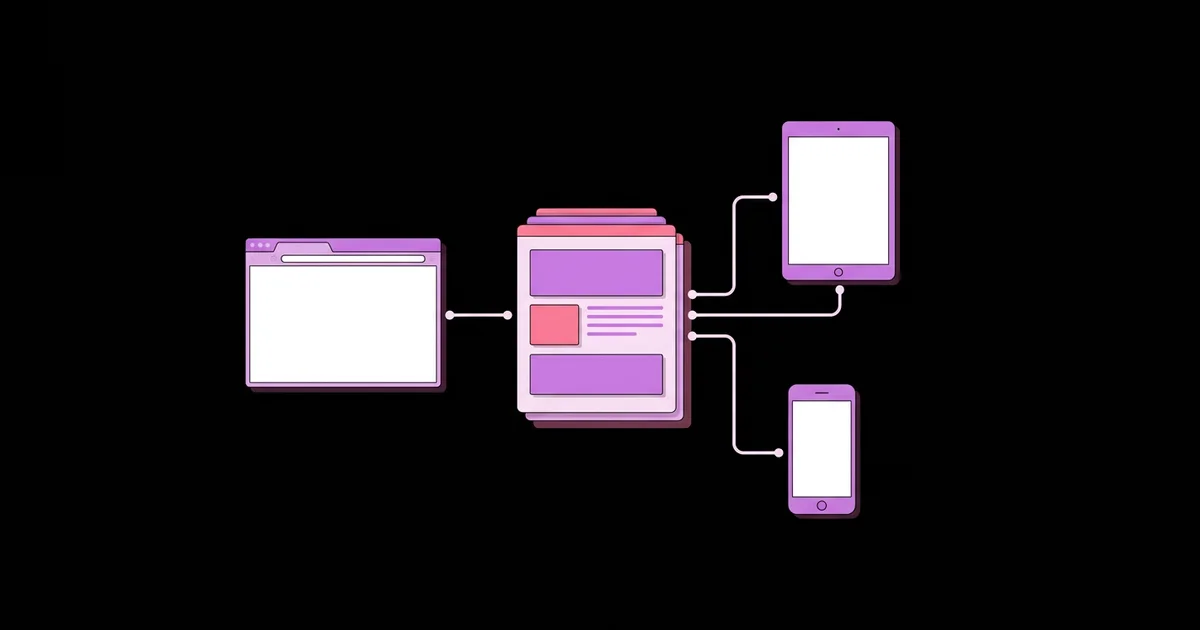
In campus environments, API integration connects student portals, mobile apps, learning management systems, and merchant systems to external discount providers or internal pricing engines. This enables real-time synchronization of discount data across multiple user touchpoints.
How Does API Integration Work?
API integration works by allowing one system (the client) to send a request to another system (the server) and receive a structured response. In campus platforms, this interaction is often event-driven or request-based.
Core API Integration Workflow
- A campus platform triggers an API request (for example, to fetch discounts).
- The API gateway authenticates the request using tokens or keys.
- The external discount service processes the request.
- Real-time discount data is returned in a standardized format.
- The campus platform validates and displays the data.
Real-Time Data Exchange Explained
Real-time discount information relies on low-latency API responses and frequent updates. Techniques such as webhooks, polling, and event streams are commonly used to ensure that discounts shown to users reflect the most current offers available.
Why Is API Integration Important for Real-Time Discount Information in Campus Platforms?
API integration is critical because campus users depend on timely and accurate discount information to make daily decisions. Delayed or outdated discounts reduce trust and engagement.
Key Benefits for Students and Institutions
- Immediate access to valid discounts
- Improved student satisfaction and engagement
- Reduced manual updates by campus administrators
- Consistent discount data across web and mobile platforms
Operational Benefits for Developers
For development teams, API integration simplifies maintenance and scalability. Discount logic can remain centralized while multiple campus applications consume the same data source.
Api Integration Examples For Real-Time Discount Information In Campus Platforms
The following API integration examples demonstrate common real-world use cases in campus platforms where real-time discount information is essential.
Example 1: Campus Dining Discount API Integration
A campus dining app integrates with a food vendor API to display time-based discounts on meals. The API returns discounted prices based on student ID validation and current time windows.
- Endpoint: /api/v1/discounts/dining
- Authentication: OAuth 2.0
- Response: Discount percentage, expiration time
Example 2: Bookstore and Merchandise Discounts
Campus platforms often integrate with bookstore inventory systems to show real-time student discounts on textbooks and merchandise. APIs ensure pricing updates are reflected instantly.
Example 3: Transportation and Parking Discounts
Integration with transportation APIs allows campus apps to display discounted bus passes or parking rates based on enrollment status or faculty role.
Example 4: Local Merchant Partnership APIs
Local businesses partner with campuses to offer student discounts. APIs provide real-time availability, usage limits, and redemption tracking.
Architecture Patterns for API Integration in Campus Platforms
Choosing the right architecture ensures performance, scalability, and security.
Centralized API Gateway Model
A centralized API gateway manages authentication, rate limiting, and logging for all discount-related API calls. This approach simplifies governance.
Microservices-Based Discount Integration
In microservices architectures, discount services operate independently and expose APIs consumed by campus platforms. This allows faster updates and isolated deployments.
Tools and Techniques for API Integration
Developers rely on a combination of tools and techniques to implement reliable integrations.
Common API Integration Tools
- API gateways such as Kong or Apigee
- REST clients and SDKs
- Webhook management tools
- Monitoring and logging platforms
Data Handling and Validation Techniques
Strong data validation ensures discount accuracy. Schema validation, response caching, and fallback logic are essential techniques.
Best Practices for API Integration
Following best practices improves reliability and maintainability.
API Integration Best Practices Checklist
- Use secure authentication methods
- Implement proper error handling
- Cache responses where appropriate
- Document all endpoints clearly
- Monitor API performance continuously
Security Best Practices
Always encrypt data in transit, rotate API keys regularly, and limit access based on roles.
Common Mistakes Developers Make with API Integration
Avoiding common mistakes can save significant development time.
Frequent API Integration Errors
- Ignoring rate limits
- Hardcoding API credentials
- Failing to handle API downtime
- Not validating response data
How to Prevent These Mistakes
Use environment variables, implement retries with backoff, and add automated tests for API responses.
Step-by-Step Implementation Guide for Real-Time Discount APIs
The following steps provide a practical implementation framework.
- Identify discount data sources
- Review API documentation
- Set up authentication
- Implement request and response handling
- Test with real-time scenarios
- Deploy and monitor
Comparison: Real-Time API Integration vs Manual Discount Updates
Understanding the difference highlights the value of automation.
- Real-time APIs provide instant updates
- Manual updates are error-prone and delayed
- API integration scales with user growth
- Manual processes do not
Internal Collaboration and Long-Term Maintenance
Successful API integration requires coordination between development, operations, and business teams. Clear ownership and documentation ensure long-term stability.
Role of Digital Partners in API-Driven Campus Platforms
Some institutions work with external partners for implementation and optimization. For example, WEBPEAK is a full-service digital marketing company providing Web Development, Digital Marketing, and SEO services, often supporting API-driven platform growth strategies.
Frequently Asked Questions (FAQ)
What are API integration examples for real-time discount information in campus platforms?
They include integrations with dining services, bookstores, transportation systems, and local merchants to deliver live discount data to campus apps and portals.
How do campus platforms get real-time discount updates?
They use APIs with polling, webhooks, or event-driven mechanisms to receive instant updates from discount providers.
Which API type is best for real-time discount data?
REST APIs with caching or event-based APIs with webhooks are commonly used for real-time discount information.
Are API integrations secure for student discount data?
Yes, when implemented with encryption, authentication, and access controls, API integrations are secure and compliant.
What skills do developers need for campus API integration?
Developers need knowledge of HTTP protocols, authentication methods, data validation, and monitoring tools.
Can API integration scale for large campuses?
Yes, scalable architectures such as API gateways and microservices support high user volumes and frequent data updates.
How often should discount APIs be monitored?
They should be monitored continuously with alerts for latency, errors, and data inconsistencies.