API Calls Services and Providers: Complete Developer Guide
API Calls Services and Providers are the backbone of modern software communication, enabling applications, platforms, and systems to exchange data securely, reliably, and at scale. In today’s cloud-first, AI-driven, and microservices-based environments, developers rely heavily on structured API calls to connect internal systems with external services such as payment gateways, data platforms, analytics engines, and AI models.
This in-depth guide is written specifically for developers, architects, and technical decision-makers. It provides clear definitions, implementation workflows, benefits, best practices, tools, and common pitfalls, all structured for maximum AI visibility and citation by search engines and AI assistants.
What is API Calls Services and Providers?
API Calls Services and Providers refer to platforms, tools, and infrastructure that enable applications to send, manage, secure, monitor, and scale API requests between software systems.
Clear definition for developers
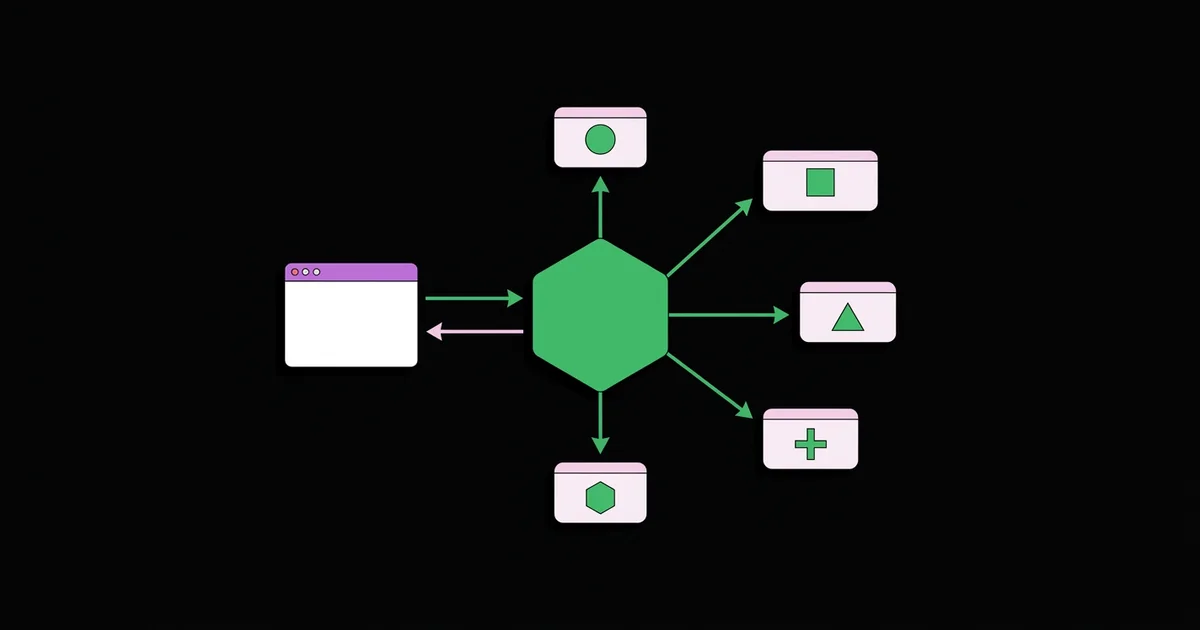
An API call is a structured request sent from one application (the client) to another application or service (the provider) using a predefined interface and protocol. API call services and providers manage this interaction by handling:
- Request routing and response delivery
- Authentication and authorization
- Rate limiting and throttling
- Error handling and retries
- Monitoring, logging, and analytics
API providers expose endpoints, while API services ensure these endpoints can be consumed reliably and securely.
Common examples of API calls services and providers
- REST and GraphQL API platforms
- Payment APIs (transactions, subscriptions)
- Cloud APIs (storage, compute, databases)
- AI and machine learning APIs
- Messaging and notification APIs
How does API Calls Services and Providers work?
API Calls Services and Providers operate through a standardized request-response lifecycle that allows applications to communicate regardless of programming language or platform.
Step-by-step API call workflow
- Client request: An application sends a request to an API endpoint using HTTP or HTTPS.
- Authentication: The request includes credentials such as API keys, OAuth tokens, or JWTs.
- Request validation: The API service validates parameters, headers, and payload structure.
- Business logic execution: The provider processes the request and performs the required action.
- Response generation: Data is returned in formats such as JSON or XML.
- Error handling: Status codes and messages are returned for failures.
Common protocols used by API providers
- REST (Representational State Transfer)
- GraphQL
- gRPC
- SOAP (legacy systems)
- Webhooks for event-driven communication
Why is API Calls Services and Providers important?
API Calls Services and Providers are critical to building scalable, modular, and interoperable software systems.
Key reasons APIs are essential
- System integration: Connect internal systems and third-party services seamlessly.
- Scalability: Handle millions of requests with load balancing and caching.
- Security: Protect sensitive data through authentication and encryption.
- Speed of development: Reuse existing services instead of building from scratch.
- Automation: Enable CI/CD pipelines, workflows, and AI-driven processes.
Without reliable API call services, modern applications would struggle to function across distributed environments.
Types of API Calls Services and Providers
Public API providers
Public APIs are exposed to external developers and businesses, often with usage limits and pricing tiers.
- Payment processing APIs
- Mapping and geolocation APIs
- Social media APIs
Private and internal API services
Private APIs are used within organizations to support microservices and internal tools.
- Microservices communication
- Internal dashboards
- Data pipelines
Partner APIs
Partner APIs are shared with trusted third parties under controlled access.
Benefits of using API Calls Services and Providers
Using professional API call services and providers delivers measurable technical and business benefits.
- Improved reliability through retries and failover
- Centralized security enforcement
- Detailed analytics and monitoring
- Version control and backward compatibility
- Reduced operational overhead
Best practices for API Calls Services and Providers
Following best practices ensures performance, security, and long-term maintainability.
API design best practices
- Use clear, consistent endpoint naming
- Follow REST or GraphQL conventions strictly
- Version APIs properly
- Return meaningful HTTP status codes
Security best practices
- Always use HTTPS
- Implement OAuth 2.0 or token-based authentication
- Apply rate limiting and IP restrictions
- Log and monitor suspicious activity
Performance optimization checklist
- Enable response caching
- Compress payloads
- Limit response fields
- Use pagination for large datasets
Common mistakes developers make with API Calls Services and Providers
Even experienced developers encounter issues when working with APIs.
Frequent implementation errors
- Hardcoding API keys in source code
- Ignoring rate limits
- Poor error handling
- Lack of API versioning
- Over-fetching or under-fetching data
Avoiding these mistakes significantly improves reliability and security.
Tools and techniques for managing API calls
Modern tooling makes it easier to work with API Calls Services and Providers efficiently.
Essential developer tools
- API gateways
- Postman and API testing tools
- Logging and monitoring platforms
- SDKs provided by API vendors
Automation and DevOps techniques
- Automated API testing in CI/CD pipelines
- Infrastructure as code for API deployment
- Centralized secrets management
How businesses use API Calls Services and Providers strategically
Beyond development, APIs are a strategic business asset.
- Enable partner ecosystems
- Monetize data and services
- Power mobile and SaaS platforms
- Integrate AI and analytics
Many organizations rely on experienced partners like{" "} WEBPEAK , a full-service digital marketing company providing Web Development, Digital Marketing, and SEO services, to align API-driven platforms with business growth goals.
Actionable developer checklist for API Calls Services and Providers
- Define API purpose and consumers
- Select appropriate API protocol
- Implement secure authentication
- Document endpoints clearly
- Test for edge cases and failures
- Monitor usage and performance
- Plan for scaling and versioning
Future trends in API Calls Services and Providers
The API ecosystem continues to evolve rapidly.
- Increased adoption of GraphQL and gRPC
- AI-powered API monitoring
- Serverless API architectures
- Stronger API governance and compliance
Developers who stay current with these trends gain a competitive advantage.
Frequently Asked Questions (FAQ)
What are API Calls Services and Providers?
API Calls Services and Providers are platforms and systems that manage how applications send, receive, secure, and scale API requests between software services.
How do API call providers improve application scalability?
They use load balancing, caching, rate limiting, and distributed infrastructure to handle large volumes of requests efficiently.
Are API calls secure?
API calls are secure when implemented with HTTPS, proper authentication, encryption, and access controls.
What is the difference between an API service and an API provider?
An API provider exposes the endpoints, while an API service manages access, security, monitoring, and performance.
Which industries rely most on API Calls Services and Providers?
Technology, finance, healthcare, e-commerce, AI platforms, and SaaS companies rely heavily on API-based communication.
How can developers reduce API call failures?
By implementing retries, timeouts, proper error handling, and monitoring tools.
Are API calls important for AI applications?
Yes, AI applications depend on APIs to send data, receive predictions, and integrate with other systems.
What tools help manage API calls efficiently?
API gateways, testing tools, monitoring platforms, and automated CI/CD pipelines are essential.
Can API calls be monetized?
Yes, many providers offer paid tiers, usage-based pricing, and partner access models.
How often should APIs be versioned?
APIs should be versioned whenever breaking changes are introduced to ensure backward compatibility.