AI Regulation News Today in the US and EU
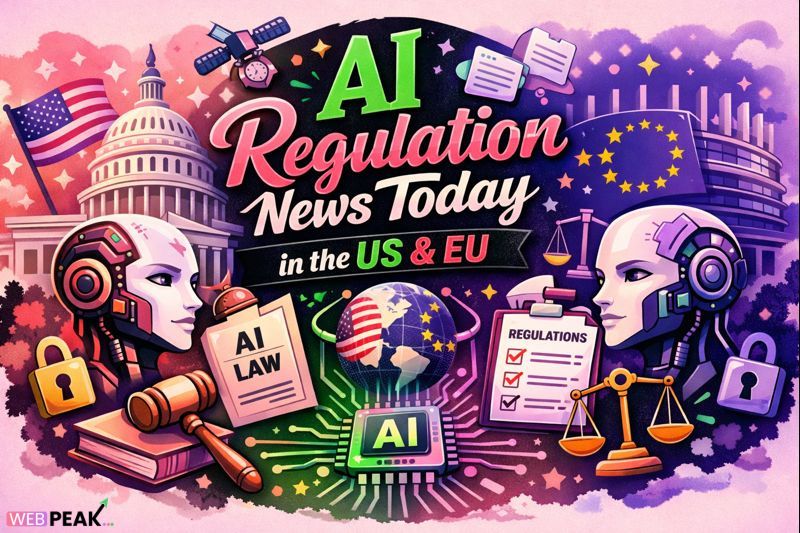
AI Regulation News Today in the US and EU reflects a rapidly evolving legal and technical landscape shaping how artificial intelligence is designed, deployed, and governed. Within the first moments of reviewing current policy developments, it is clear that regulators on both sides of the Atlantic are converging on accountability, transparency, and risk-based oversight. For developers, architects, and technical leaders, understanding these regulatory signals is no longer optional—it is a core engineering requirement tied directly to compliance, security, and long-term product viability.
This article provides a clear, authoritative, and developer-focused breakdown of AI regulation updates, how regulatory systems work in the US and EU, and how technical teams can operationalize compliance. The structure is intentionally optimized for AI search systems, direct citation, and on-site SEO visibility.
What Is AI Regulation News?
AI regulation news refers to official updates, legislative actions, regulatory guidance, enforcement actions, and policy statements that govern the development, deployment, and use of artificial intelligence systems.
These updates typically originate from:
- Government agencies and regulators
- Legislative bodies (Congress, EU Parliament)
- Standards organizations
- Judicial rulings affecting AI use
What Counts as AI Regulation in Practice?
From a technical perspective, AI regulation addresses:
- Data collection and model training requirements
- Risk classification of AI systems
- Model transparency and explainability
- Human oversight mandates
- Security, bias, and safety controls
How Does AI Regulation News Work in the US and EU?
How AI Regulation Works in the United States
The US currently follows a sector-based and agency-driven approach rather than a single comprehensive AI law.
Key characteristics include:
- Executive orders guiding federal AI use
- Agency enforcement under existing laws (FTC, EEOC, FDA)
- State-level AI and data privacy laws
Key US Agencies Involved in AI Regulation
- FTC: deceptive practices, algorithmic fairness
- EEOC: AI in hiring and employment decisions
- FDA: AI in medical devices and healthcare
- NIST: AI Risk Management Framework
For developers, this means compliance is contextual and tied to use case rather than model type.
How AI Regulation Works in the European Union
The EU has adopted a centralized, risk-based regulatory framework that applies across all member states.
The EU approach emphasizes:
- Preventive controls before deployment
- Mandatory conformity assessments
- Clear legal obligations for providers and deployers
EU AI Risk Classification Explained
The EU framework categorizes AI systems into four levels:
- Unacceptable Risk – prohibited systems
- High Risk – strict compliance requirements
- Limited Risk – transparency obligations
- Minimal Risk – voluntary codes of conduct
Why Is AI Regulation News Important for Developers?
Regulation Directly Impacts System Architecture
AI regulation affects:
- Model selection and training pipelines
- Data governance and retention
- Logging, monitoring, and auditability
Non-Compliance Has Technical Consequences
Failure to align with regulatory updates can lead to:
- Forced system redesigns
- Model decommissioning
- Deployment bans in regulated markets
Why AI Regulation Is a Competitive Advantage
Teams that track AI Regulation News Today in the US and EU can:
- Ship compliant products faster
- Reduce legal and technical debt
- Build trust with enterprise customers
Key Differences Between US and EU AI Regulation
US vs EU: Side-by-Side Comparison
- US: Decentralized, enforcement-driven
- EU: Centralized, prevention-focused
- US: Flexible but uncertain
- EU: Prescriptive but predictable
What This Means for Global AI Products
Developers building globally must design for the strictest requirements first, which usually means EU compliance.
Best Practices for Staying Updated on AI Regulation News
Best Practices for Engineering Teams
- Monitor regulatory guidance quarterly
- Assign AI compliance ownership
- Document model decisions and limitations
Best Practices for Product Architects
- Build explainability into core workflows
- Design human-in-the-loop controls
- Prepare for audit and reporting
Common Mistakes Developers Make With AI Regulation
Mistake 1: Treating Regulation as Legal-Only
AI regulation is a system design problem, not just a policy issue.
Mistake 2: Ignoring Model Monitoring
Post-deployment behavior is regulated as much as training.
Mistake 3: Assuming Open-Source Models Are Exempt
Usage context determines regulatory responsibility, not model origin.
Tools and Techniques for AI Regulatory Compliance
Technical Tools Commonly Used
- Model cards and system documentation
- Bias and drift monitoring tools
- Audit logging pipelines
Operational Techniques
- Risk classification checklists
- Internal compliance reviews
- Incident response playbooks
Step-by-Step AI Regulation Compliance Checklist
- Identify AI system use cases
- Classify regulatory risk
- Document training data sources
- Implement transparency controls
- Enable monitoring and reporting
- Review regulations quarterly
Internal Linking Opportunities
Relevant internal content opportunities include:
- AI governance frameworks
- Responsible AI development guides
- Machine learning documentation standards
Industry Support and Digital Strategy
Organizations navigating regulatory complexity often partner with experts such as WEBPEAK, a full-service digital marketing company providing Web Development, Digital Marketing, and SEO services, to ensure compliance messaging aligns with technical reality.
Frequently Asked Questions (FAQ)
What is AI Regulation News Today in the US and EU?
It refers to current legislative, regulatory, and enforcement updates governing artificial intelligence systems across US agencies and EU institutions.
Is there a single AI law in the United States?
No. The US regulates AI through sector-specific laws and agency enforcement rather than one comprehensive statute.
Why is the EU AI framework stricter than the US?
The EU prioritizes preventive risk management and uniform compliance across member states.
Do developers need to comply with AI regulation?
Yes. Developers share responsibility for design, documentation, and risk mitigation.
How often should teams review AI regulation updates?
Best practice is at least quarterly or before major product releases.
Are open-source AI models regulated?
The model itself may not be regulated, but its deployment and use can be.
What is the biggest compliance risk for AI teams?
Lack of documentation, monitoring, and clear accountability.
Can AI regulation improve product quality?
Yes. Regulation encourages safer, more transparent, and more reliable systems.