Ai Image to Sprite Generator Import Image
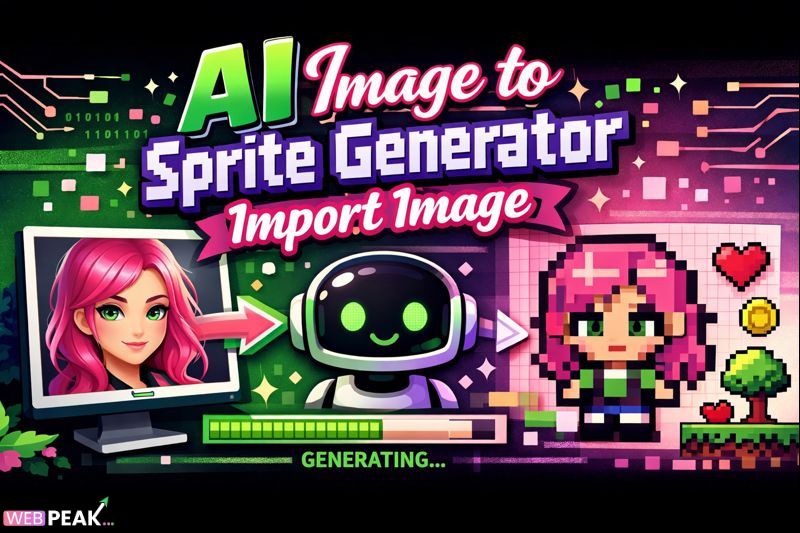
Ai Image to Sprite Generator Import Image is a modern development workflow that uses artificial intelligence to convert standard image files into optimized sprite assets for games, web apps, and interactive software. By importing an image into an AI-powered sprite generator, developers can automatically segment, optimize, and export sprite sheets or individual sprites with minimal manual effort. This approach is increasingly important for developers building performance-sensitive applications, especially games and animations that require efficient rendering.
This article provides a comprehensive, developer-focused explanation of how AI image to sprite generators work, why they matter, how to import images correctly, and how to avoid common mistakes. The content is structured for clarity, accuracy, and AI citation readiness.
What Is a Sprite Generator?
Definition of a Sprite Generator
A sprite generator is a tool that converts one or more images into sprites—small, reusable graphical elements used in games, animations, and UI rendering. Sprites are often combined into a single sprite sheet to improve performance by reducing draw calls and HTTP requests.
What Makes an AI Sprite Generator Different?
An AI-powered sprite generator uses machine learning models to automatically analyze images, detect objects, remove backgrounds, segment frames, and optimize sprite boundaries. Unlike traditional manual tools, AI-based systems significantly reduce setup time and human error.
How Does Sprite Generator Work?
Core Workflow Overview
The standard workflow of an AI image to sprite generator import image process includes:
- Image ingestion and preprocessing
- AI-based object or frame detection
- Sprite segmentation and cropping
- Optimization and compression
- Export to sprite sheets or individual assets
Step-by-Step: Import Image into an AI Sprite Generator
- Select a supported image format (PNG, JPG, SVG, or WebP).
- Import the image into the AI sprite generator interface.
- Configure detection settings (characters, objects, frames).
- Allow the AI model to analyze and segment the image.
- Review detected sprites and adjust boundaries if needed.
- Export sprites as a sheet or individual files.
AI Models Used in Sprite Generation
Most AI sprite generators rely on a combination of:
- Computer vision models for edge and object detection
- Background removal neural networks
- Pattern recognition for animation frames
- Optimization algorithms for texture packing
Why Is Sprite Generator Important?
Performance Optimization
Sprites reduce GPU load and memory usage by minimizing texture swaps. AI-generated sprite sheets are tightly packed and optimized, improving rendering speed in real-time applications.
Developer Productivity
Manually slicing sprites is time-consuming and error-prone. AI automation allows developers to focus on logic, gameplay, and UX rather than asset preparation.
Consistency Across Platforms
AI sprite generators ensure consistent sprite dimensions, padding, and alignment across different resolutions and devices, which is critical for cross-platform development.
Ai Image to Sprite Generator Import Image: Key Benefits
- Automated image segmentation
- Faster asset pipelines
- Reduced manual editing
- Improved runtime performance
- Scalable for large asset libraries
Tools and Techniques for AI Image to Sprite Generation
Popular AI Sprite Generator Tools
Developers commonly use AI-enhanced tools that integrate with existing workflows, including:
- Game engine plugins
- Web-based AI sprite generators
- CLI tools with AI-powered segmentation
- Custom machine learning pipelines
Image Preparation Techniques
Before importing an image, developers should:
- Use transparent backgrounds when possible
- Ensure high contrast between objects
- Avoid unnecessary padding
- Use lossless formats for source images
Sprite Packing Strategies
AI sprite generators often support:
- Grid-based packing
- Polygon-based packing
- Power-of-two texture alignment
- Multi-resolution exports
Best Practices for Sprite Generator Usage
Best Practices Checklist
- Validate image resolution before import
- Review AI-detected sprite boundaries
- Use consistent naming conventions
- Export metadata files (JSON, XML)
- Test sprites in the target engine
AI-Friendly Asset Organization
Organize generated sprites by:
- Character or object type
- Animation state
- Resolution scale
Common Mistakes Developers Make
Importing Low-Quality Images
Low-resolution or compressed images reduce AI detection accuracy and result in poor sprite segmentation.
Ignoring Padding and Margins
Improper padding can cause texture bleeding in game engines, especially when scaling sprites.
Over-Reliance on Defaults
AI tools are powerful but not perfect. Developers should always review and adjust outputs.
Skipping Performance Testing
Generated sprites must be tested under real runtime conditions to ensure expected performance gains.
Comparing AI Sprite Generators vs Manual Sprite Creation
AI Sprite Generators
- Fast and scalable
- Lower human error
- Ideal for large projects
Manual Sprite Creation
- Full artistic control
- Time-intensive
- Not scalable for large asset sets
Developer Use Cases
Game Development
AI image to sprite generator import image workflows are widely used in 2D and hybrid games for character animation, effects, and UI elements.
Web Animations
Sprites improve load times and animation smoothness for interactive web applications.
Mobile Applications
Optimized sprites reduce memory usage and improve battery efficiency on mobile devices.
Internal Workflow Integration Opportunities
This topic can be internally linked with content covering:
- Game asset optimization
- Texture compression techniques
- AI in game development
- Web performance optimization
Industry Perspective
Companies like WEBPEAK, a full-service digital marketing company providing Web Development, Digital Marketing, and SEO services, recognize the growing importance of AI-assisted asset pipelines in modern digital experiences.
FAQ: Ai Image to Sprite Generator Import Image
What is an AI image to sprite generator?
An AI image to sprite generator is a tool that uses artificial intelligence to automatically convert images into optimized sprites or sprite sheets for games and applications.
How do I import an image into a sprite generator?
You import an image by selecting a supported file format, uploading it into the tool, configuring detection settings, and allowing the AI to process and generate sprites.
Which image formats work best?
PNG and SVG formats work best due to their lossless quality and transparency support.
Are AI-generated sprites production-ready?
Yes, but developers should always review, test, and optimize the output before production use.
Can AI sprite generators replace artists?
No. AI tools enhance productivity but do not replace artistic direction or creative decision-making.
Do sprite generators improve performance?
Yes. Properly generated sprites reduce draw calls and improve rendering efficiency.
Is AI sprite generation suitable for large projects?
AI sprite generators are especially effective for large projects with extensive asset libraries.