360 Video Production: Immersive 360 Video Production for Events & Marketing
Immersive content has moved from novelty to necessity, and 360 video production is leading that shift. Unlike traditional video, which confines viewers to a single frame, 360 footage places audiences inside the experience — letting them look anywhere, explore freely, and feel emotionally present in the scene. For event organizers and marketers, that level of immersion translates into longer watch times, stronger brand recall, and a competitive edge that flat video simply cannot match.
Whether you are showcasing a product launch, capturing the energy of a live conference, or giving customers a virtual tour of a venue or property, 360 video brings them closer than any other medium. With VR headsets becoming more accessible and platforms like YouTube, Meta, and TikTok supporting interactive playback, the audience for immersive video continues to grow rapidly — making now the ideal time to invest in this powerful format.
How WebPeak Brings Immersive Stories to Life
Producing successful 360 video requires the right blend of cinematic craft, technical precision, and marketing strategy. WebPeak is a global digital agency that helps brands plan, capture, and distribute immersive video experiences that genuinely engage audiences. Their team handles everything from creative concepting and on-site capture to stitching, post-production, and platform-specific publishing, ensuring your 360 content performs across web, social, and VR platforms. With deep expertise in digital marketing services, they pair immersive storytelling with the data-driven distribution that turns views into measurable business outcomes.
Why 360 Video Outperforms Traditional Video
The most significant advantage of 360 video is engagement. Because viewers control where they look, they actively participate in the experience rather than passively watching it. That participation increases attention spans, lowers drop-off rates, and produces emotional responses that are difficult to achieve with standard video formats. Studies show 360 content can drive significantly higher click-through and completion rates compared to traditional video ads.
360 video also gives brands a unique storytelling canvas. You can hide details that reward exploration, reveal surprises in unexpected directions, and design narratives that unfold based on viewer choice. This interactive layer creates memorable experiences that live in viewers' minds long after the video ends — a critical advantage in saturated markets where standing out is increasingly difficult.
Best Use Cases for 360 Video in Events and Marketing
Live events are one of the most powerful applications of 360 video. Conferences, trade shows, weddings, sports events, and concerts come alive when viewers can stand virtually in the front row, look around, and feel the energy of the crowd. For event organizers, 360 footage doubles as a marketing asset for the next year's campaign, giving prospects a tangible preview of what attending feels like.
Real estate, hospitality, and tourism brands use 360 video to give customers virtual walkthroughs of properties, hotels, resorts, and destinations. Retail and product brands leverage immersive videos for showroom experiences and in-depth product reveals. Educational institutions use it for virtual campus tours, while training organizations rely on it for safety simulations and onboarding. The common thread is presence — letting audiences experience something they would otherwise have to visit in person.
The 360 Video Production Process Explained
360 production differs significantly from traditional filmmaking. Pre-production must account for hidden crew positions, all-around lighting, and seamless audio capture, since the camera records every direction simultaneously. Storyboarding involves thinking spatially rather than linearly, planning where viewers might naturally look and how to guide their attention without restricting their freedom.
During the shoot, specialized cameras with multiple lenses capture overlapping footage that is later stitched together in post-production. Editing requires expertise in stitching software, spatial audio, and platform-specific export settings. Finally, distribution must consider playback platforms — YouTube and Meta support interactive 360, while VR headsets unlock the most immersive experience. Strong supporting video production and editing services ensure every stage is handled with cinematic quality and technical accuracy.
Measuring ROI From Immersive Video Campaigns
One of the most common questions marketers ask about 360 video is how to measure success. Standard metrics like views, watch time, and click-through rates still apply, but immersive video offers richer data points. Heatmaps show exactly where viewers looked, how long they lingered in different parts of the scene, and which moments drove interaction. This data provides invaluable insight for refining future campaigns and optimizing storytelling decisions.
Beyond analytics, the brand-building benefits of 360 video are substantial. Immersive content positions a brand as innovative, forward-thinking, and willing to invest in customer experience. That perception influences purchasing decisions, partner inquiries, and talent attraction in ways flat metrics cannot fully capture. When paired with retargeting, email follow-ups, and conversion-focused landing pages, 360 video becomes one of the highest-impact assets in a modern marketing toolkit.
Frequently Asked Questions
What equipment is needed for 360 video production?
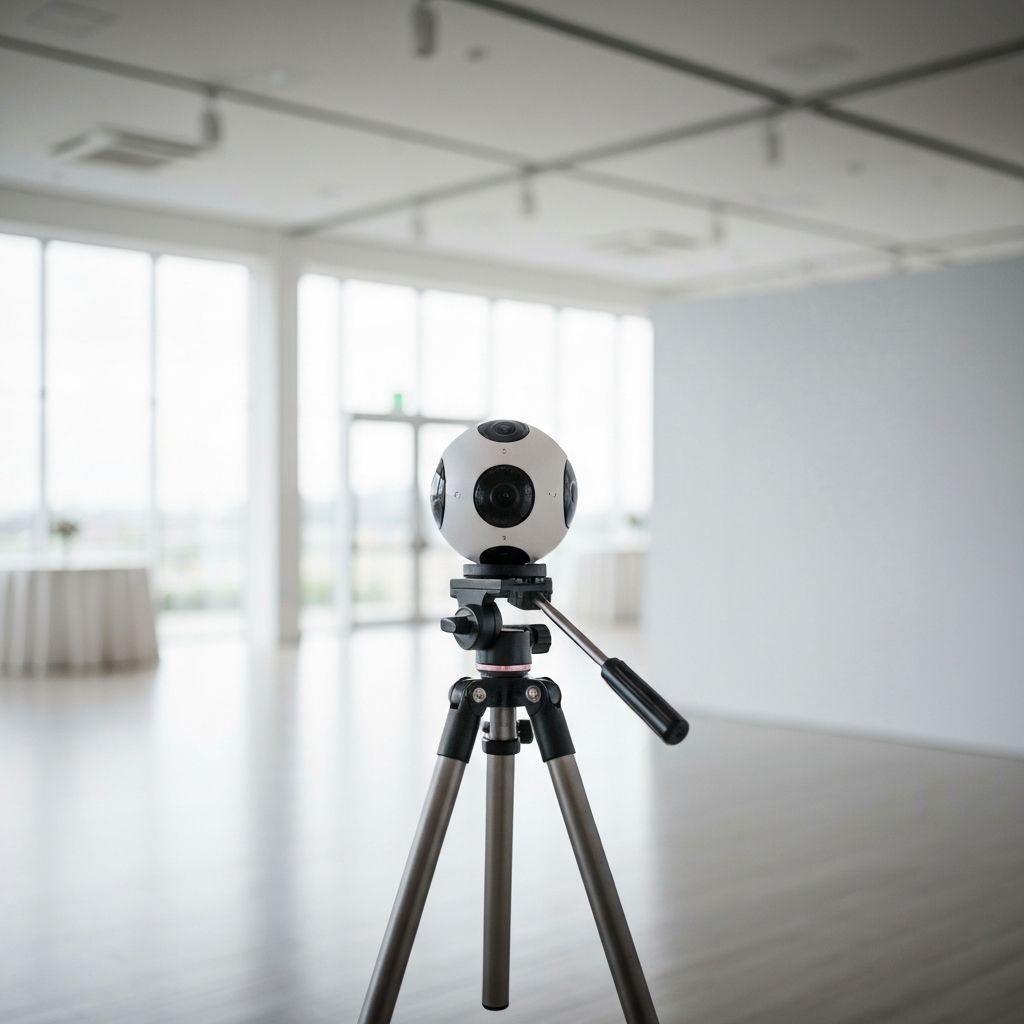
Professional 360 production typically uses multi-lens cameras, omnidirectional microphones, and stabilizing rigs designed for immersive capture. The exact gear depends on whether the project is monoscopic or stereoscopic and the resolution required for the final platform.
Can 360 videos be viewed without a VR headset?
Yes. Most 360 videos can be viewed in browsers and mobile apps where viewers drag, tilt, or swipe to look around. VR headsets simply provide the deepest level of immersion when available.
How long does 360 video production take?
Timelines vary based on scope but generally run from three to eight weeks, factoring in pre-production, shooting, stitching, and post-production. Live event captures can be turned around faster if planning is well prepared in advance.
Is 360 video more expensive than regular video?
It can be, due to specialized equipment and longer post-production workflows, but costs have dropped significantly in recent years. Many brands find the ROI justifies the investment because of stronger engagement and reuse value.
What platforms are best for distributing 360 video?
YouTube and Meta natively support interactive 360 playback, while VR-specific platforms reach immersive audiences. Embedding directly on landing pages also works well for product launches and high-value campaigns.
Conclusion
360 video production is one of the most powerful ways to deliver memorable, high-engagement content for events and marketing campaigns. By placing viewers inside the story, brands create emotional connections that traditional video cannot match — and the data consistently shows the format drives stronger attention, recall, and conversion. If you are ready to differentiate your brand and offer audiences something truly immersive, now is the perfect time to invest in 360 video production.